|
|
"Success isn't achieved by doing thousands of things really well. It is achieved by doing a few things really well, thousands of times."
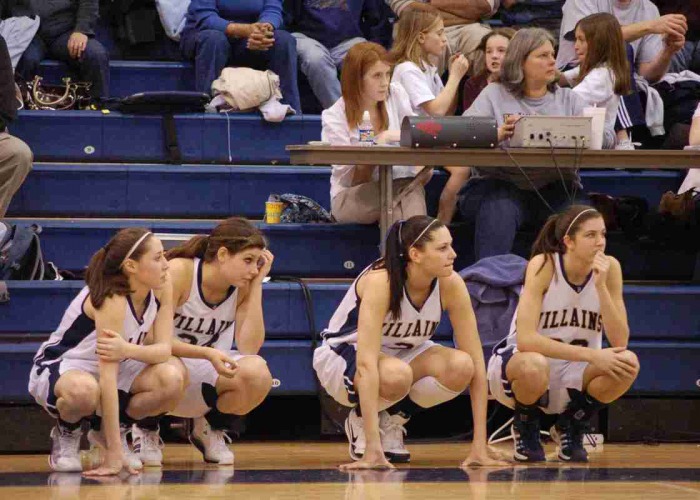



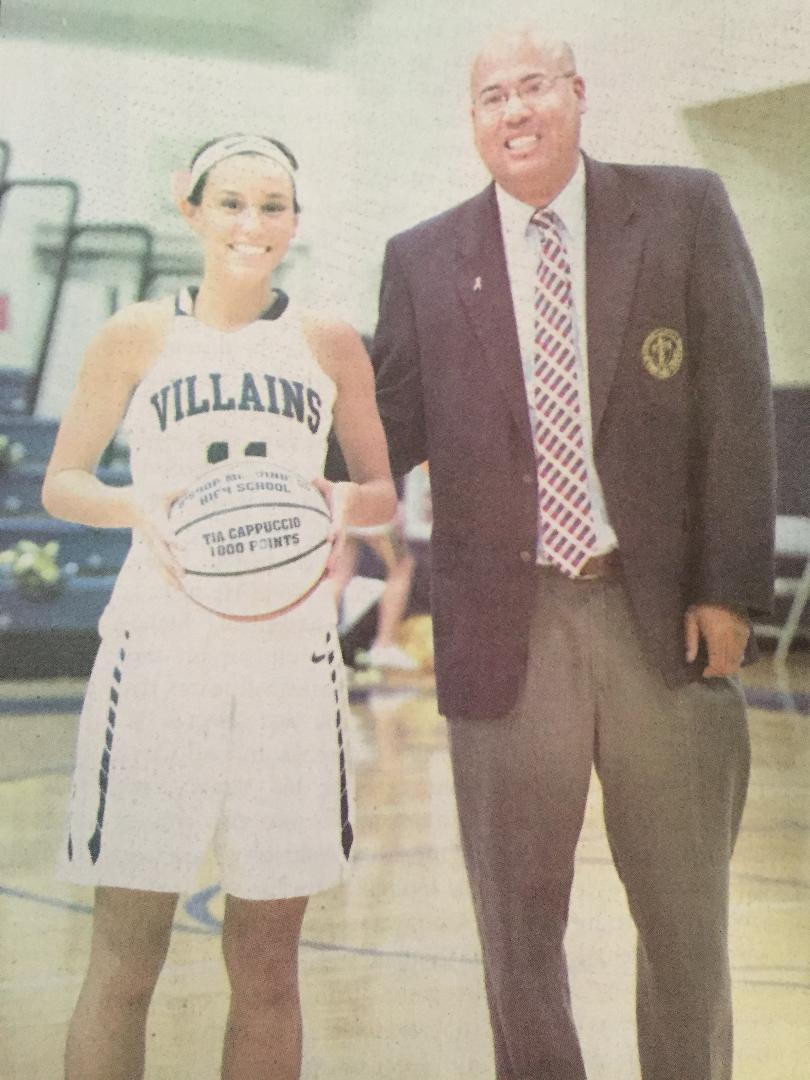
Lady Villains' Continuity...
The more things change, the more they stay the same. One key to being successful is being consistent in everything you do from year-to-year. You won't win every time out, but consistency keeps you competitive game-to-game and season-to-season. Being consistent keeps you from wasting time, energy and emotion and keeps your approach each practice and game the same - no matter the situation. Try to do the same things each year, treat everyone the same way, and make sure that no one that's a part of the program, thinks that they are bigger than the program.
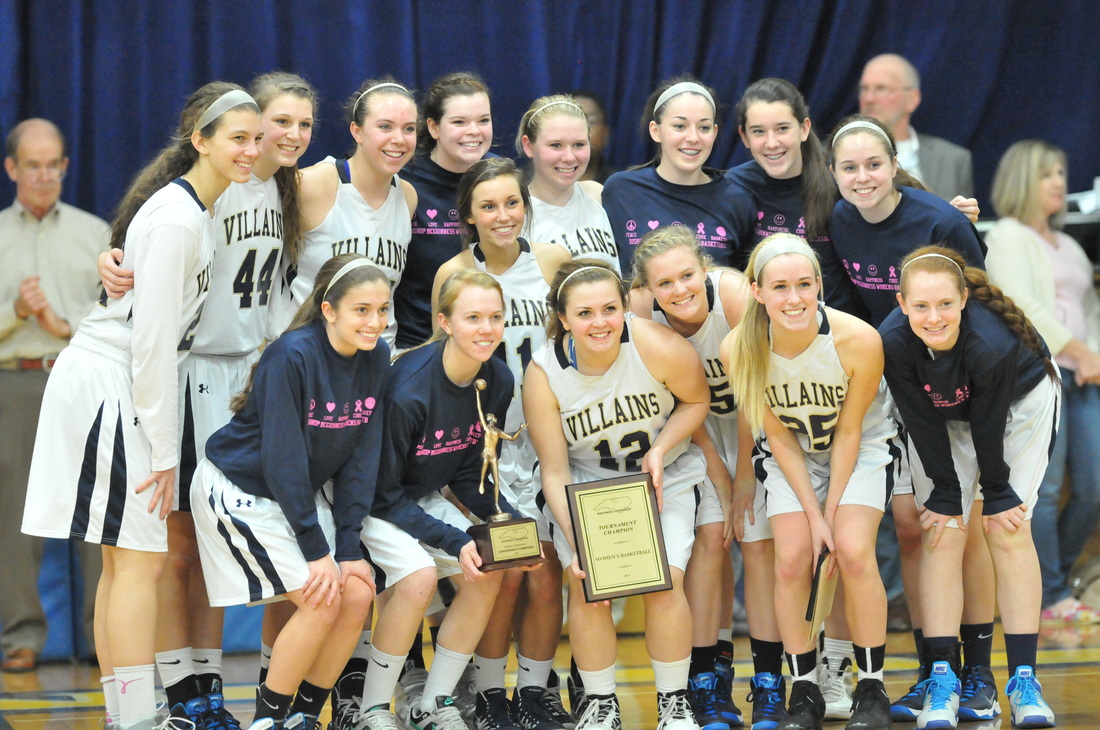
Once a team & eventually, a program, establishes a culture & identity it is clearly obvious when an individual member steps outside the team sphere.
Whether It Is An Out-of-Bounds Play...
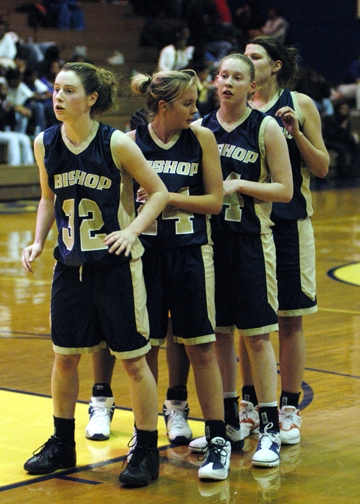
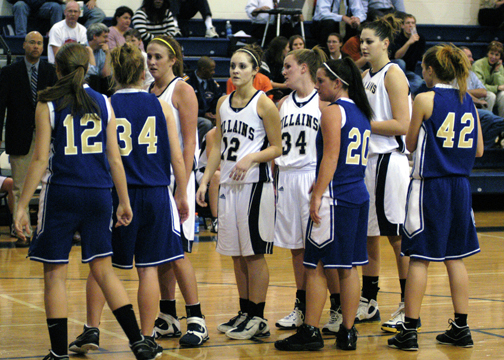


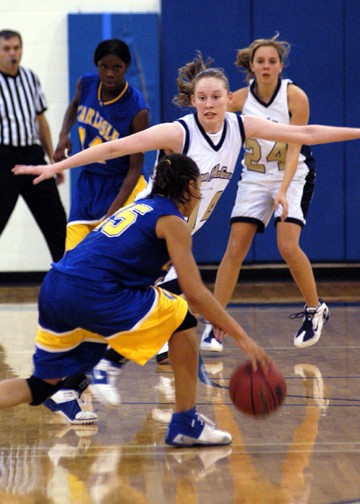
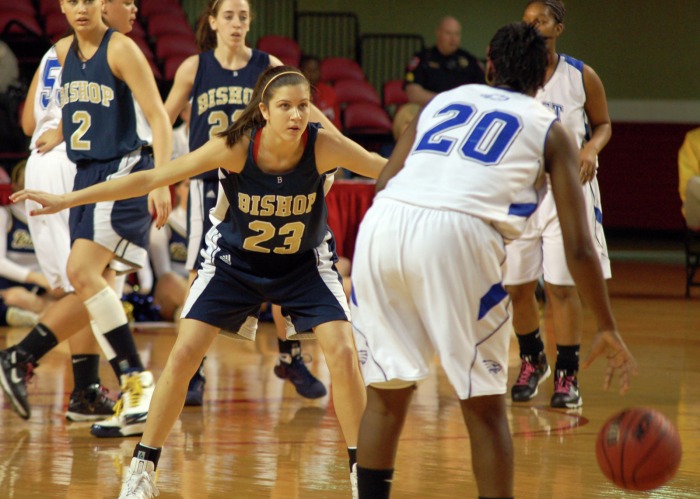
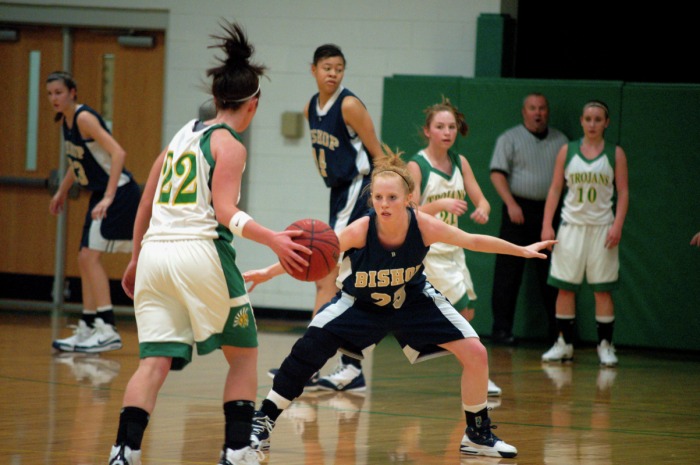
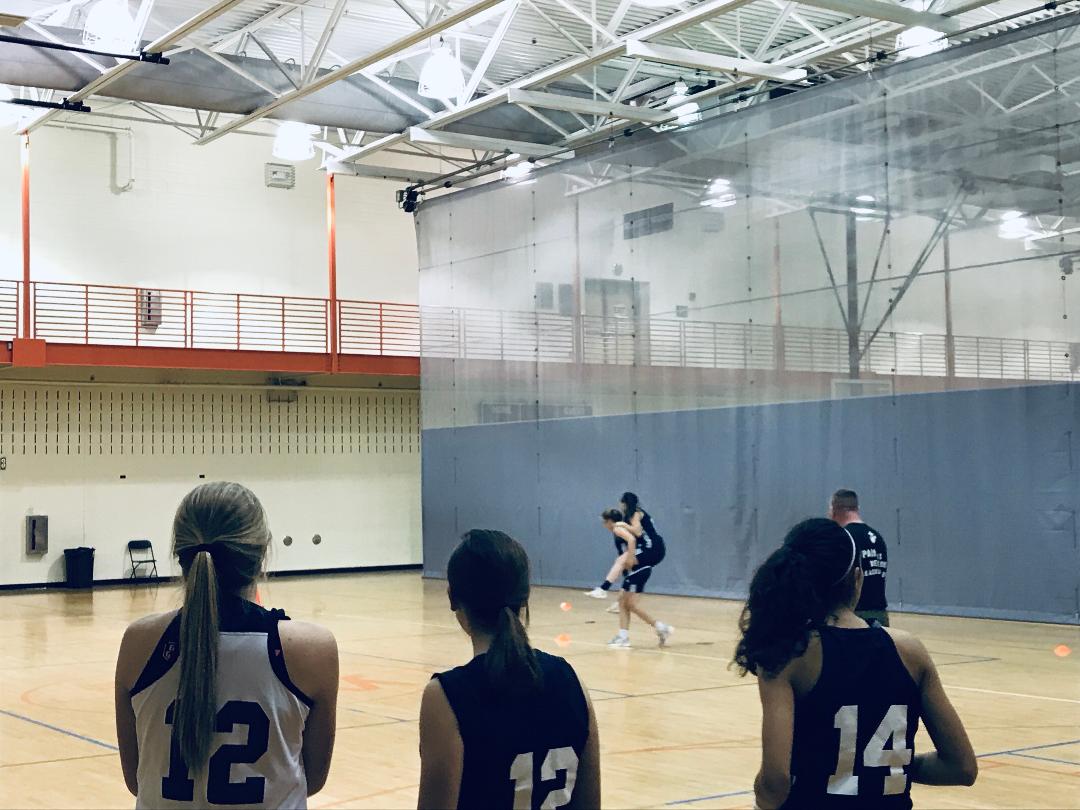
Playing Defense...
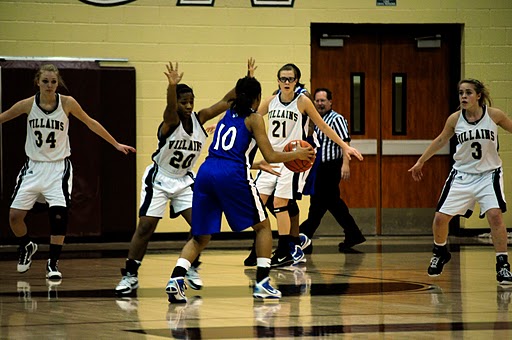


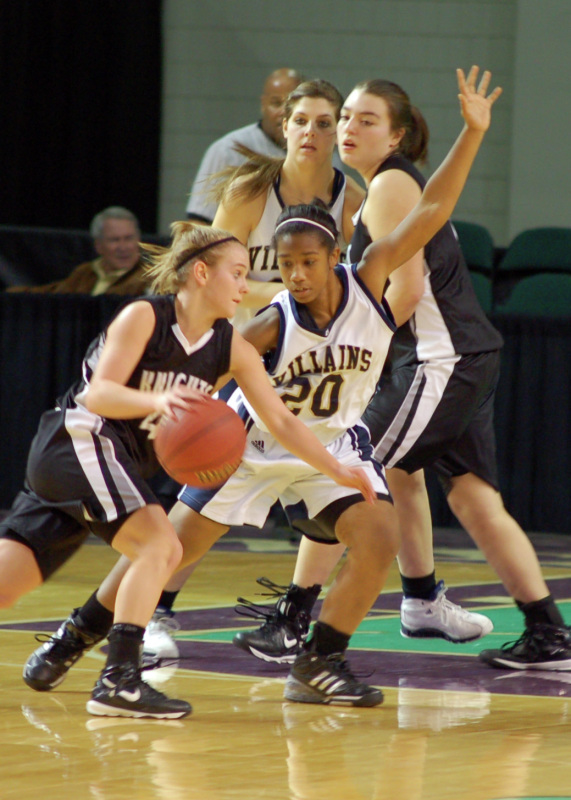
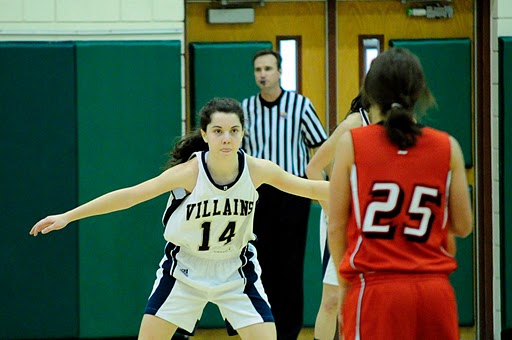
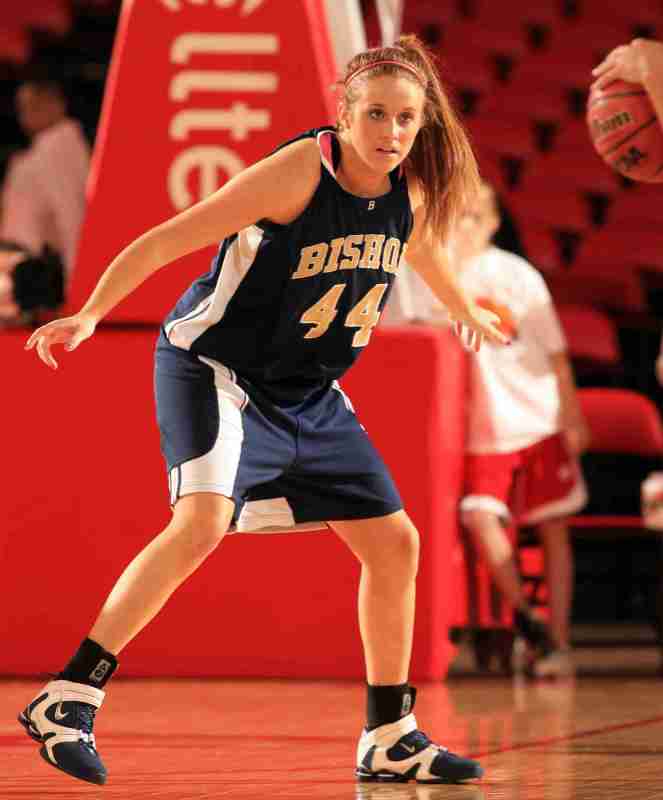
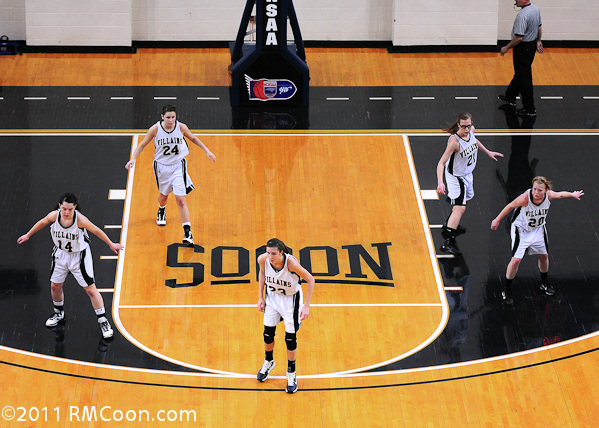

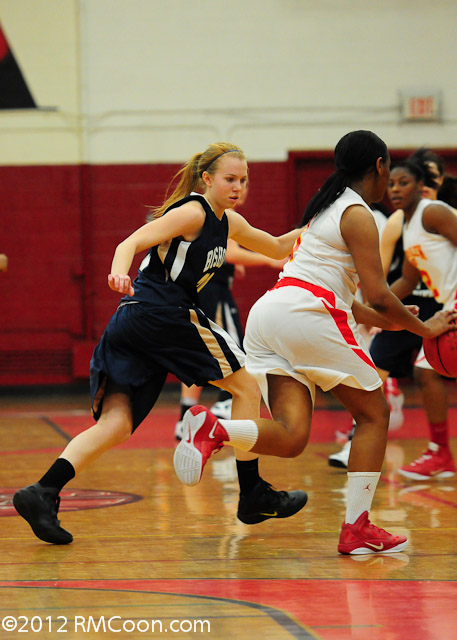
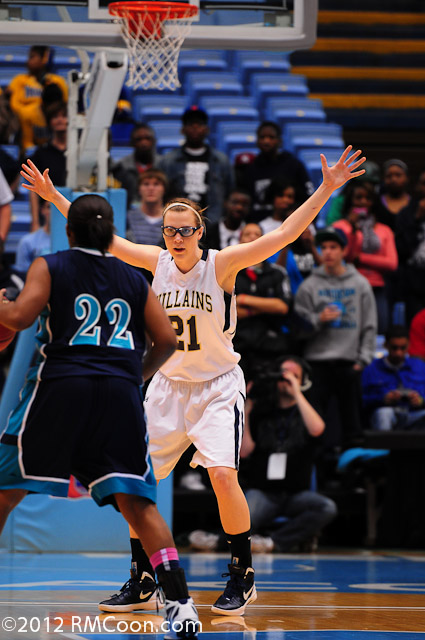
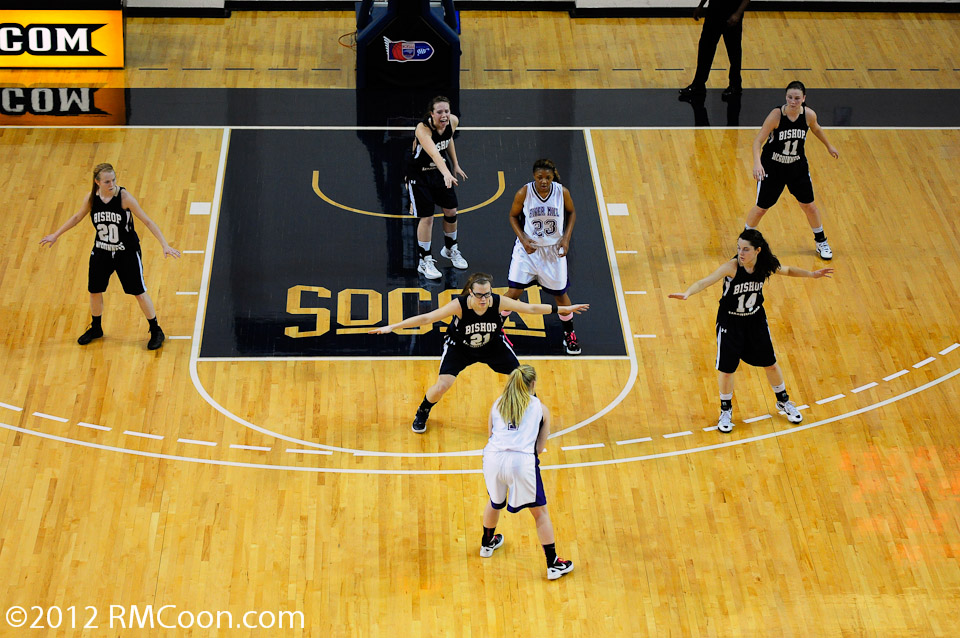
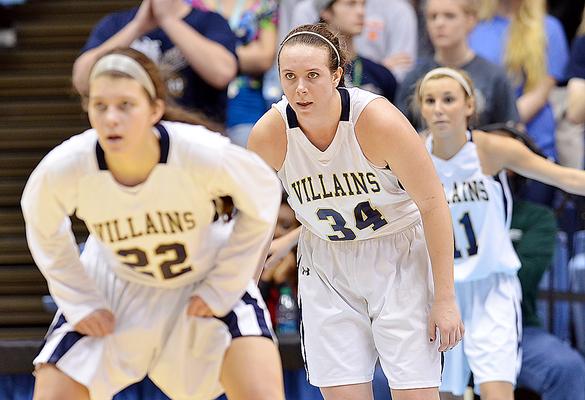
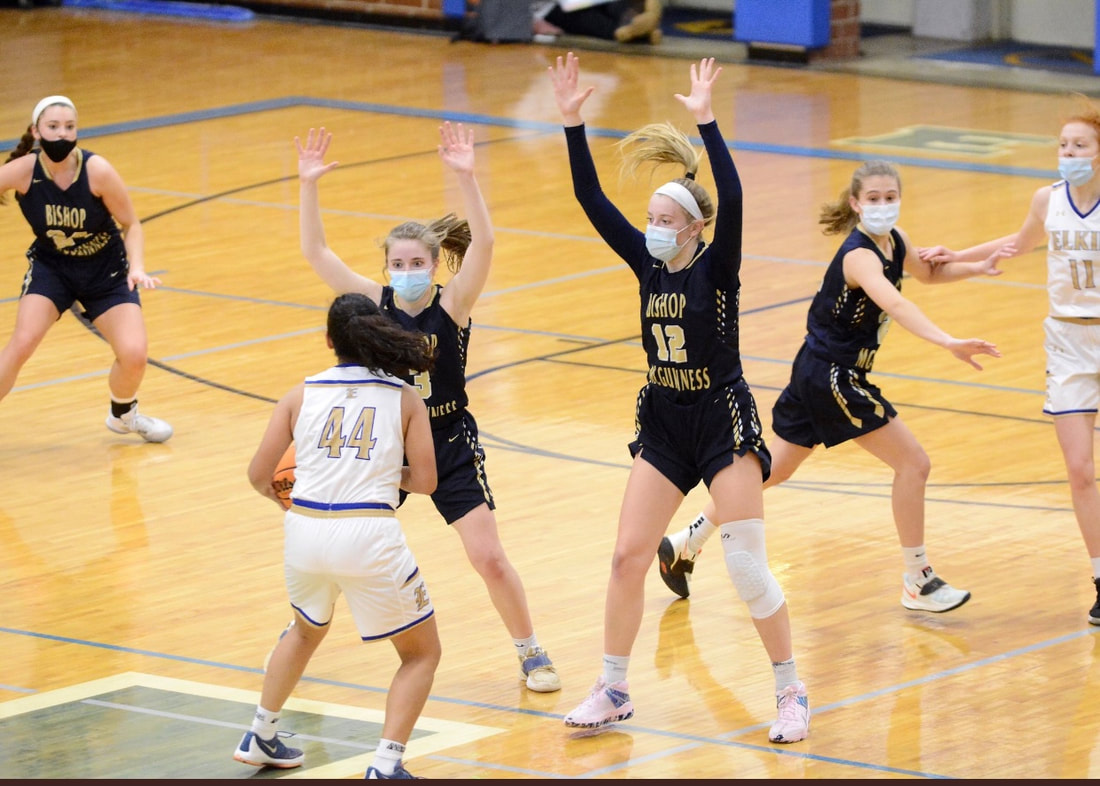
The secret of victory lies in the organization of the non-obvious. - Oswald Spengler
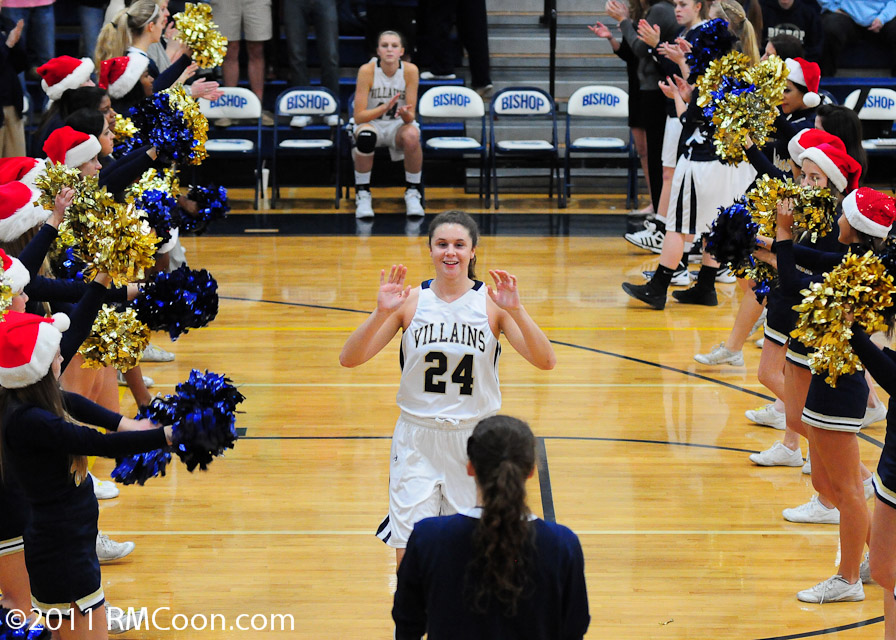
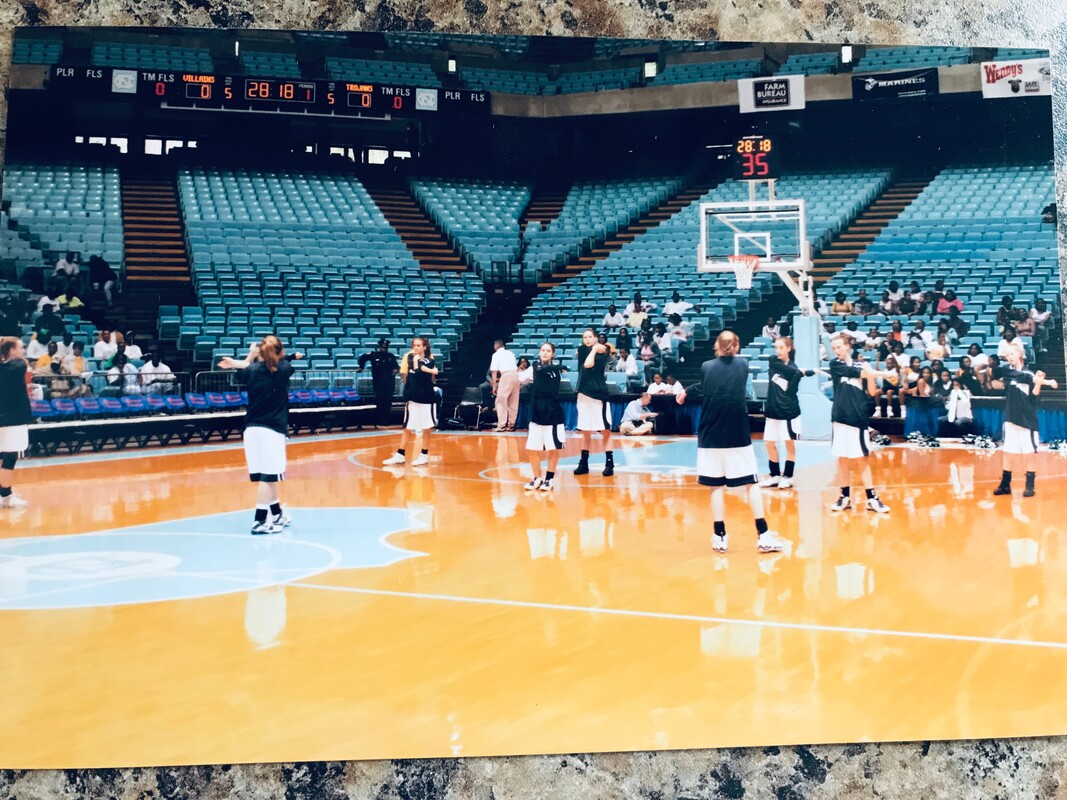
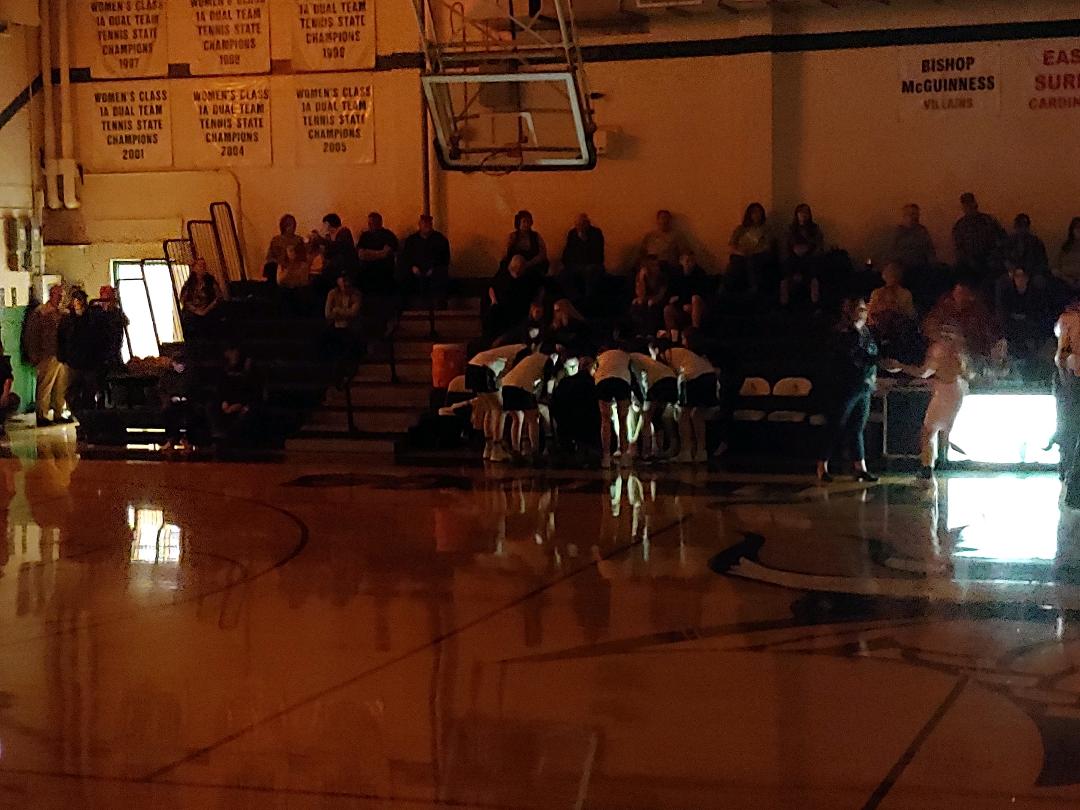
The Pre-Game...
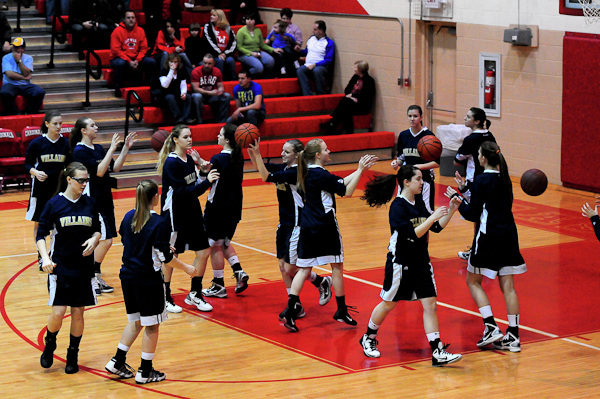
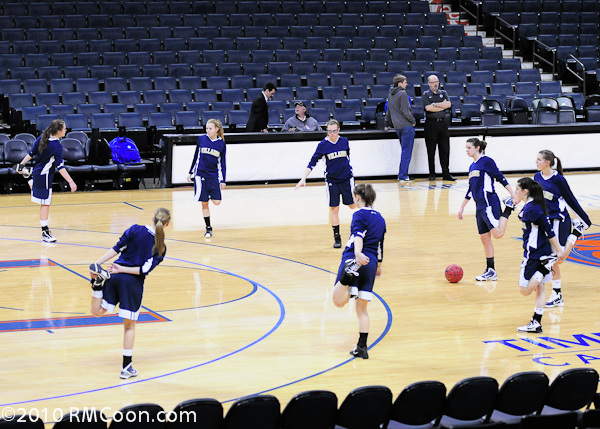
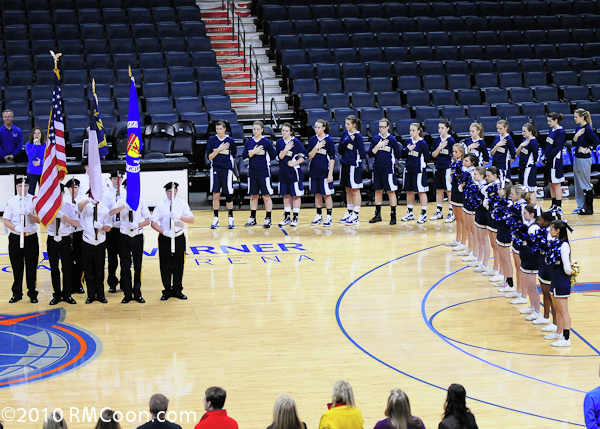
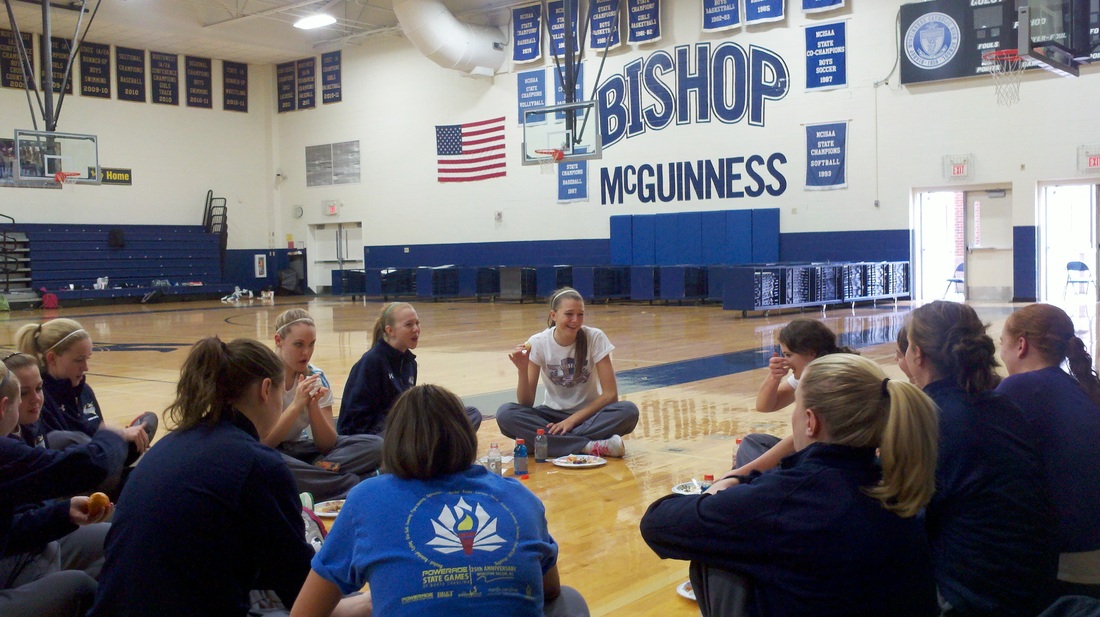
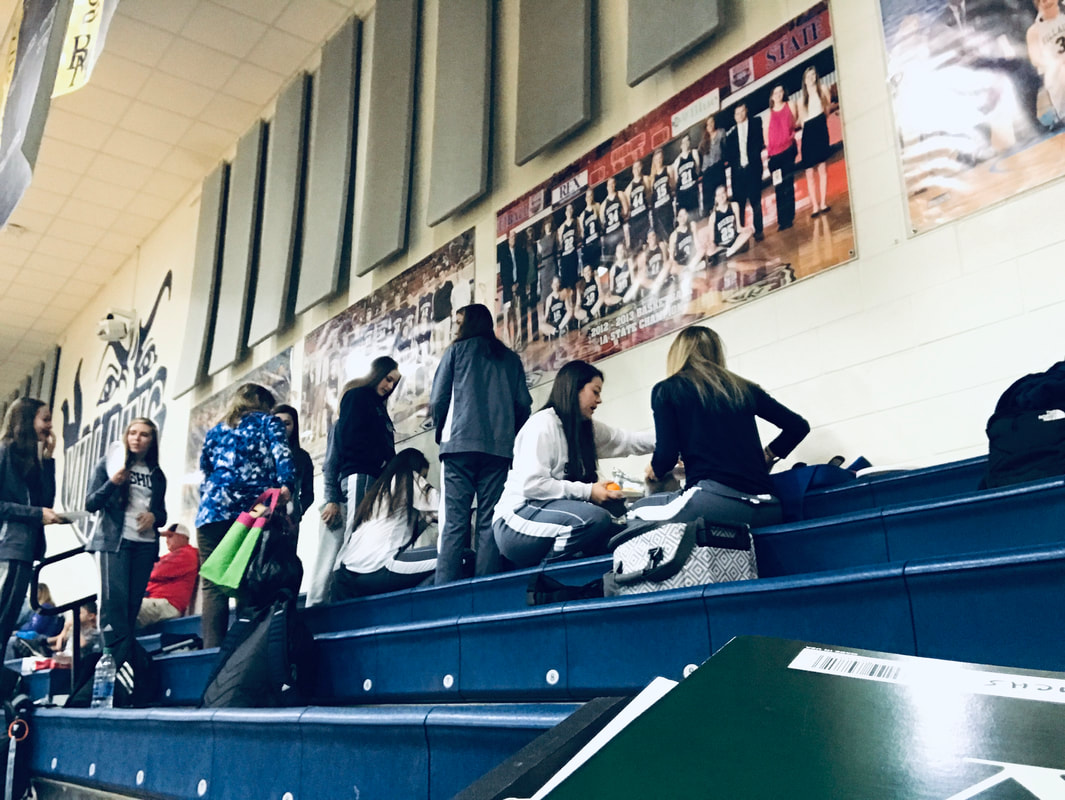
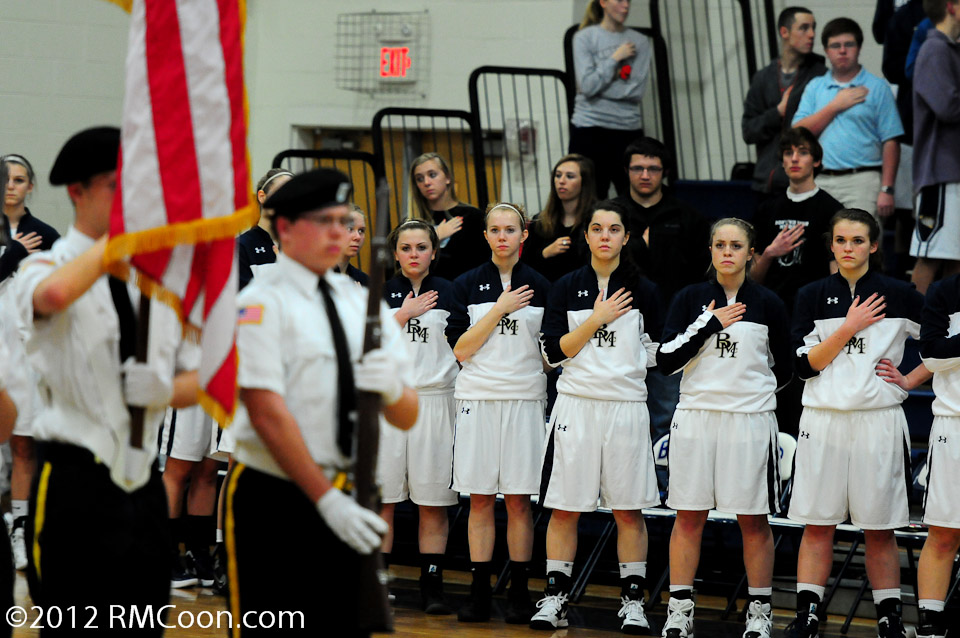


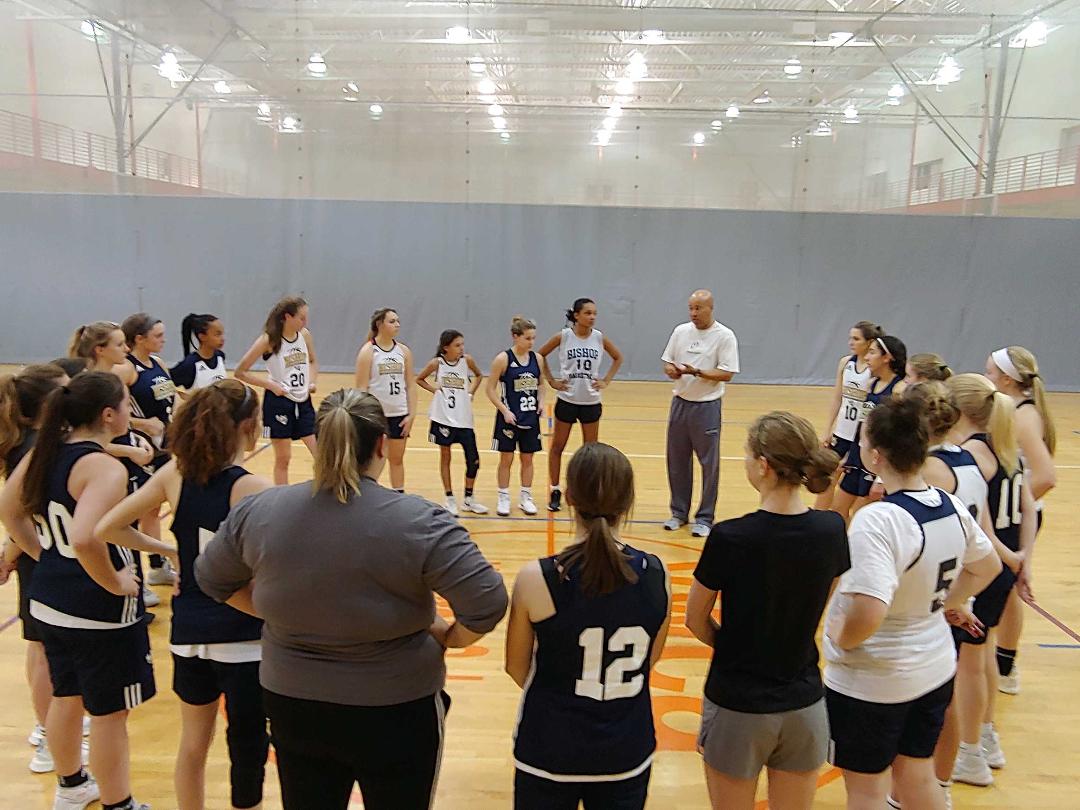
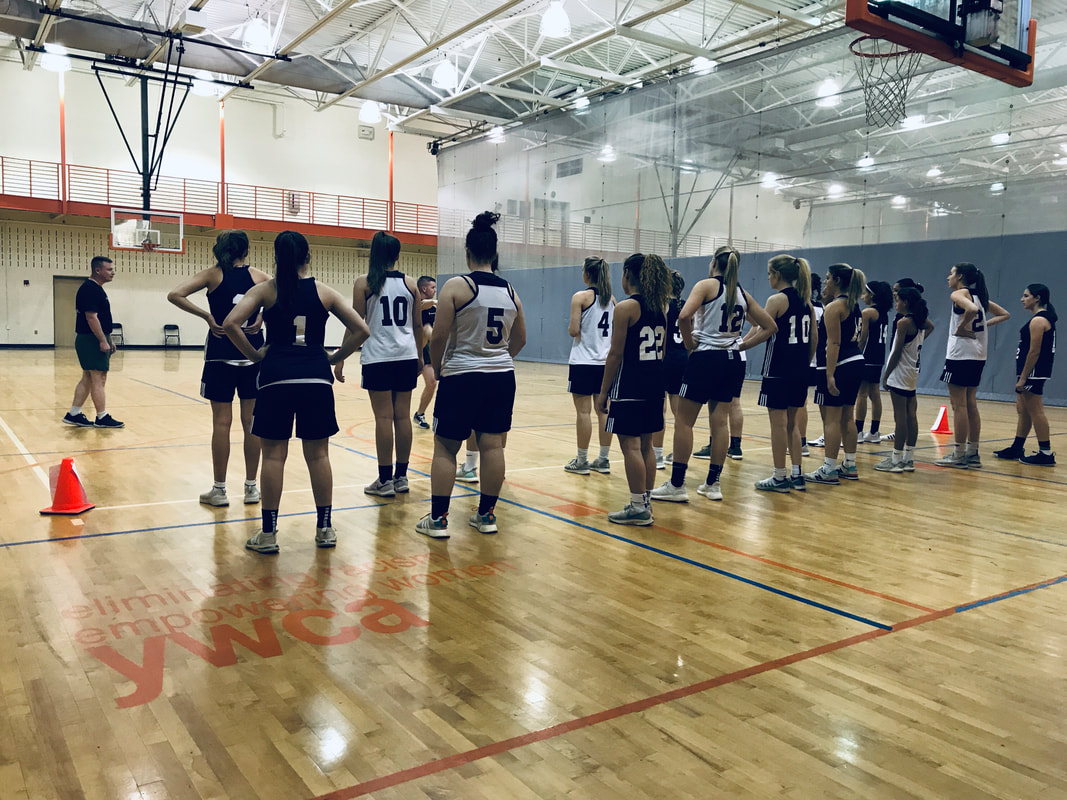
A Team-Building Exercise...


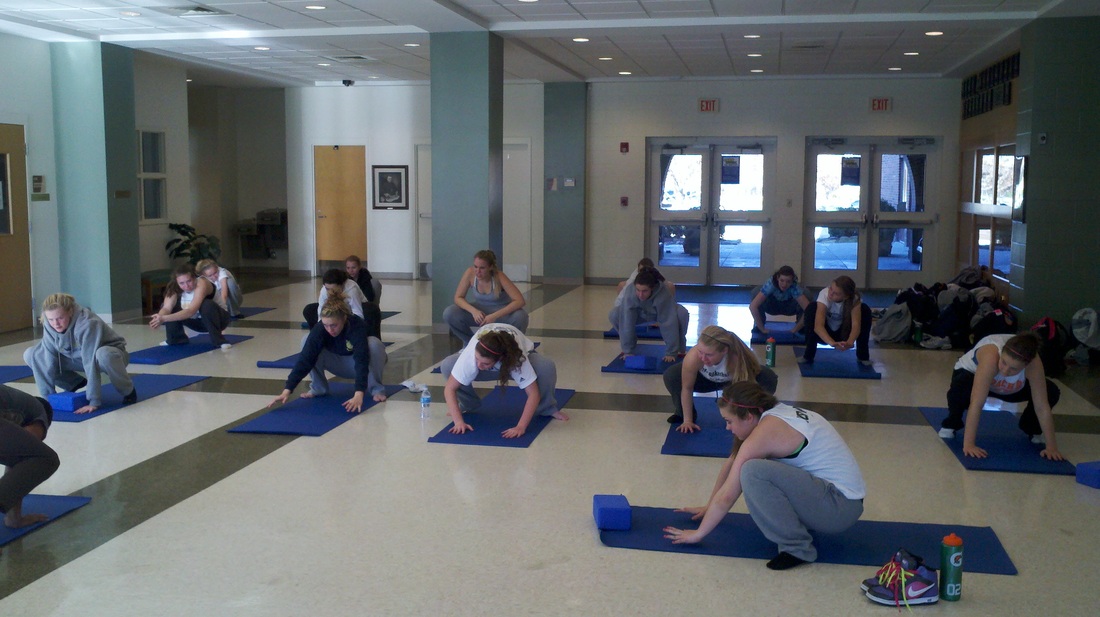






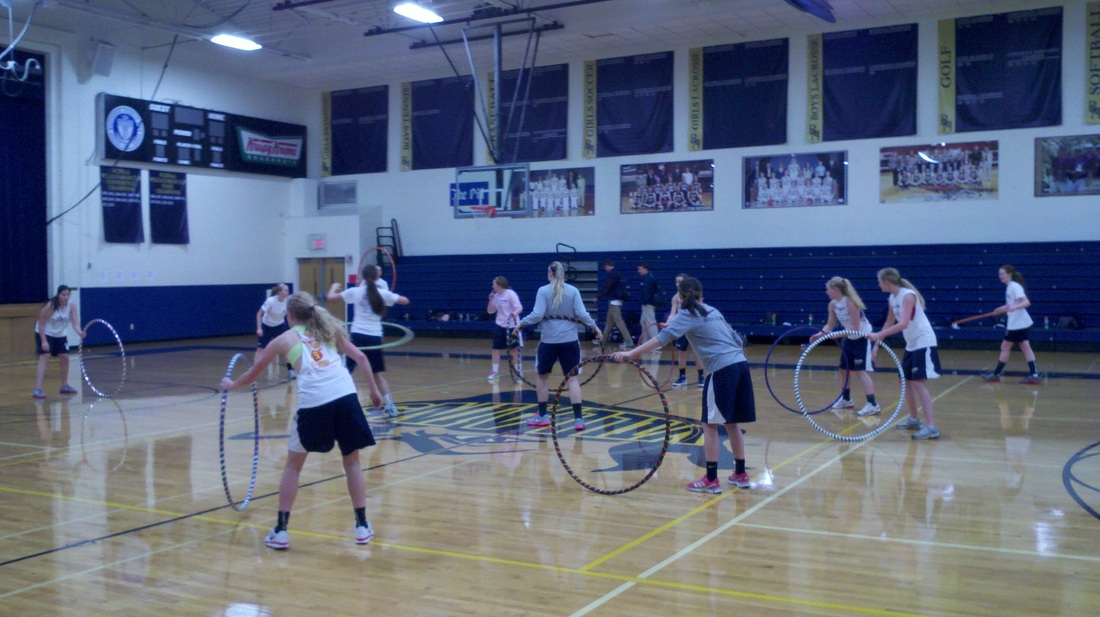
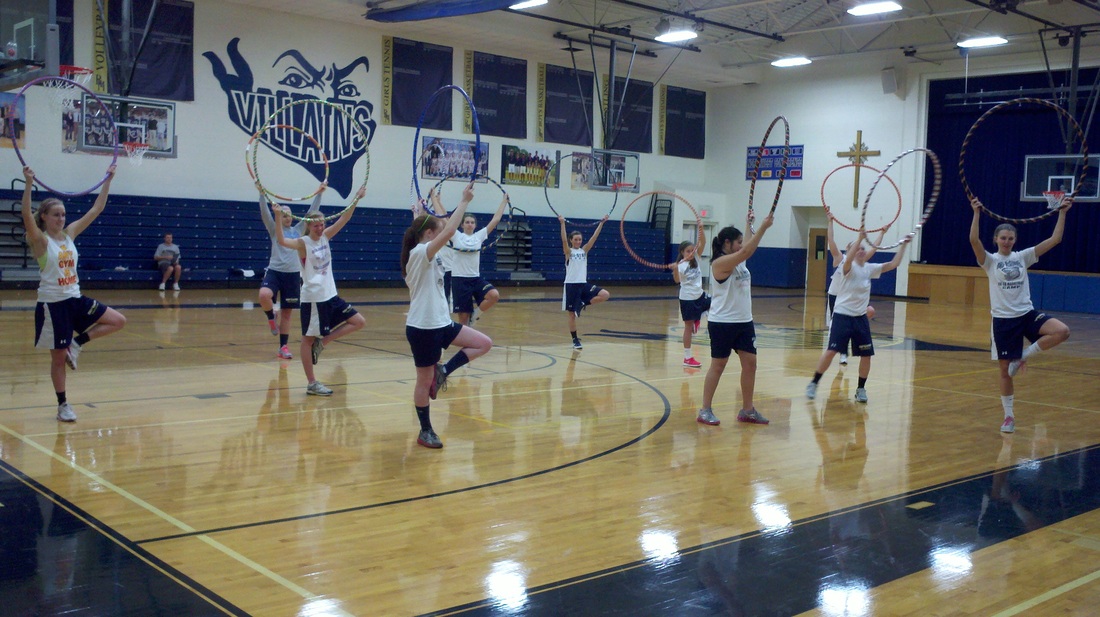

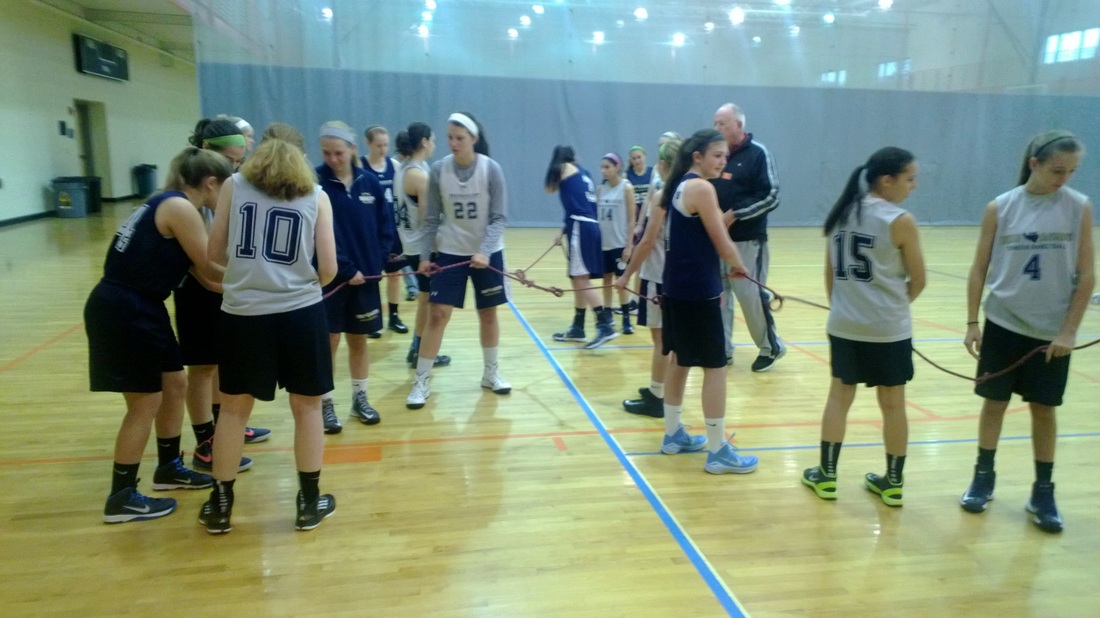
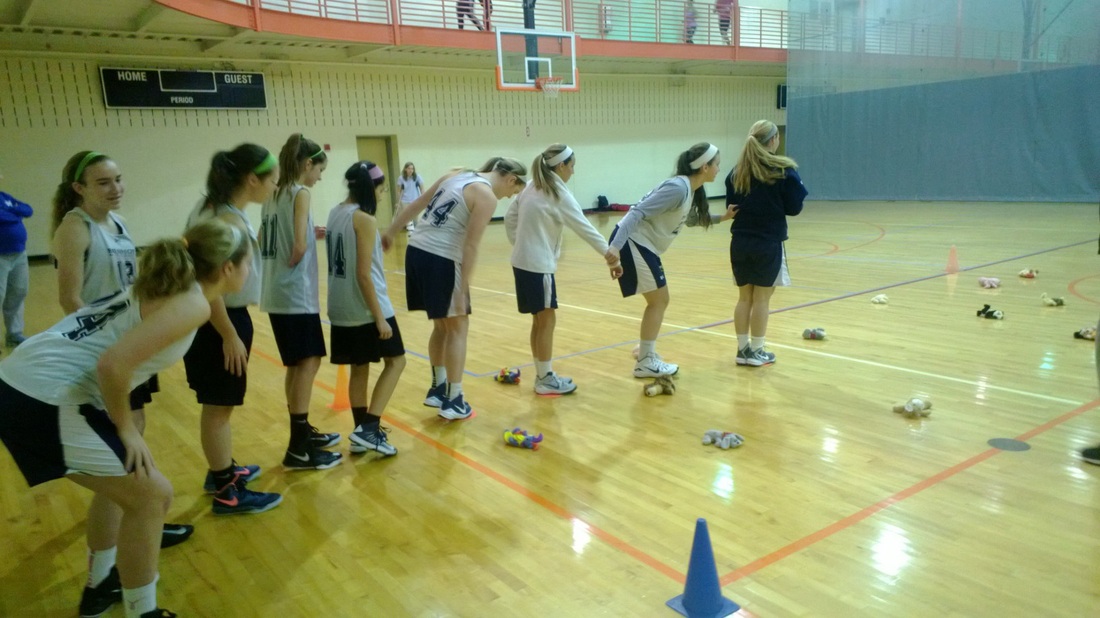
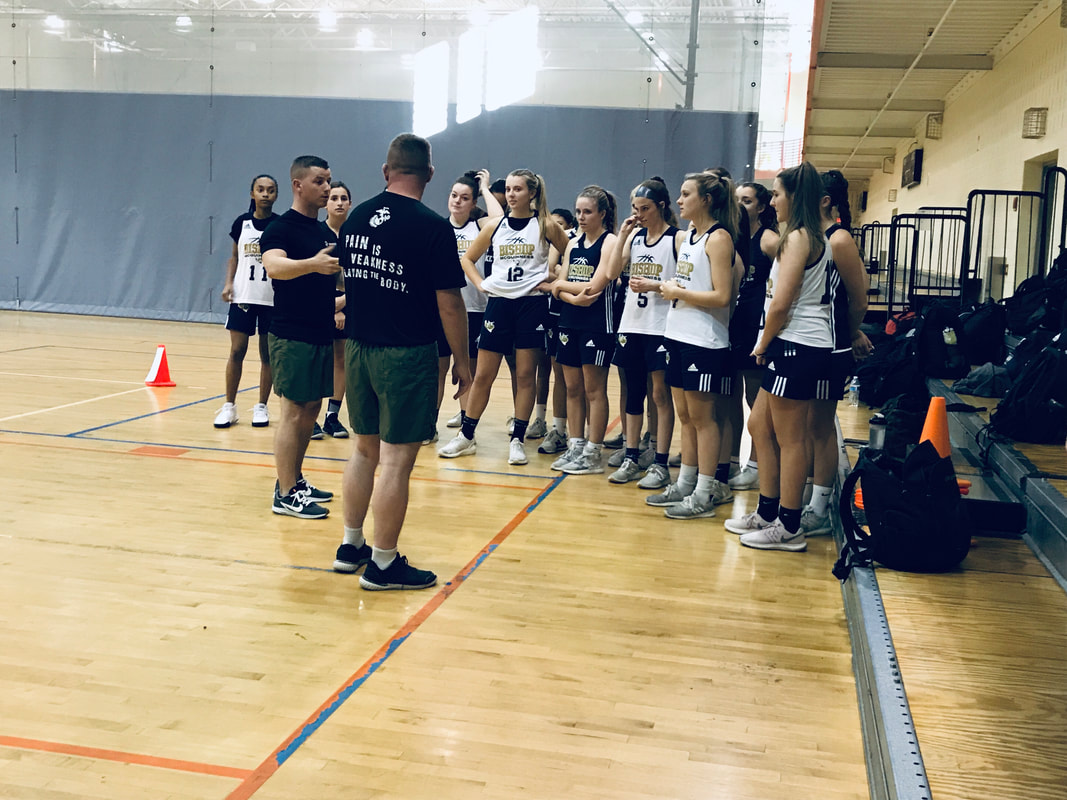
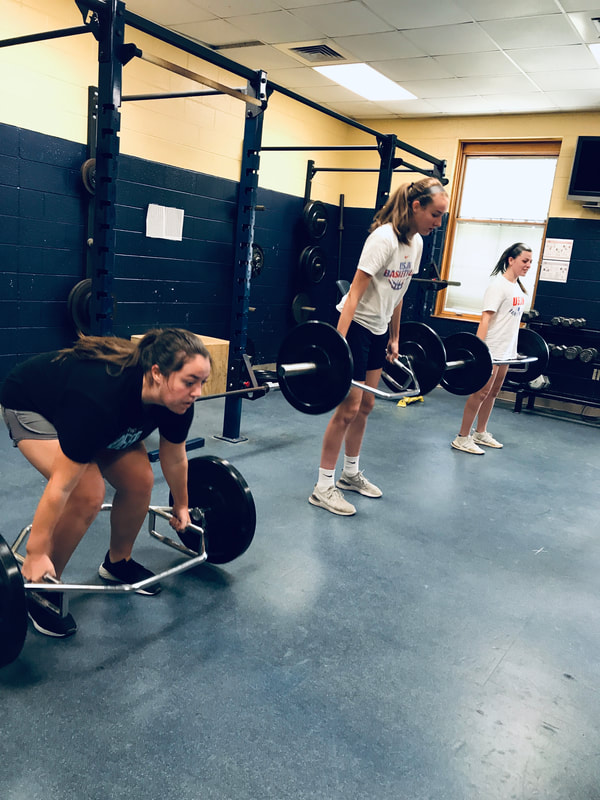
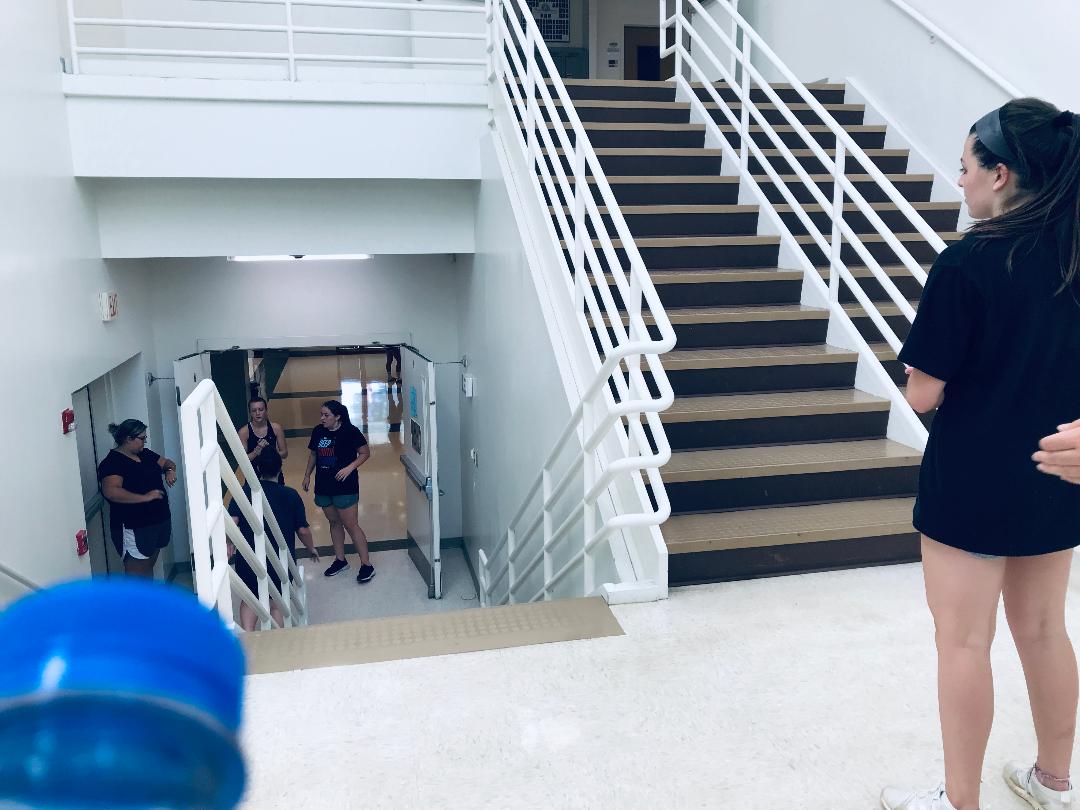
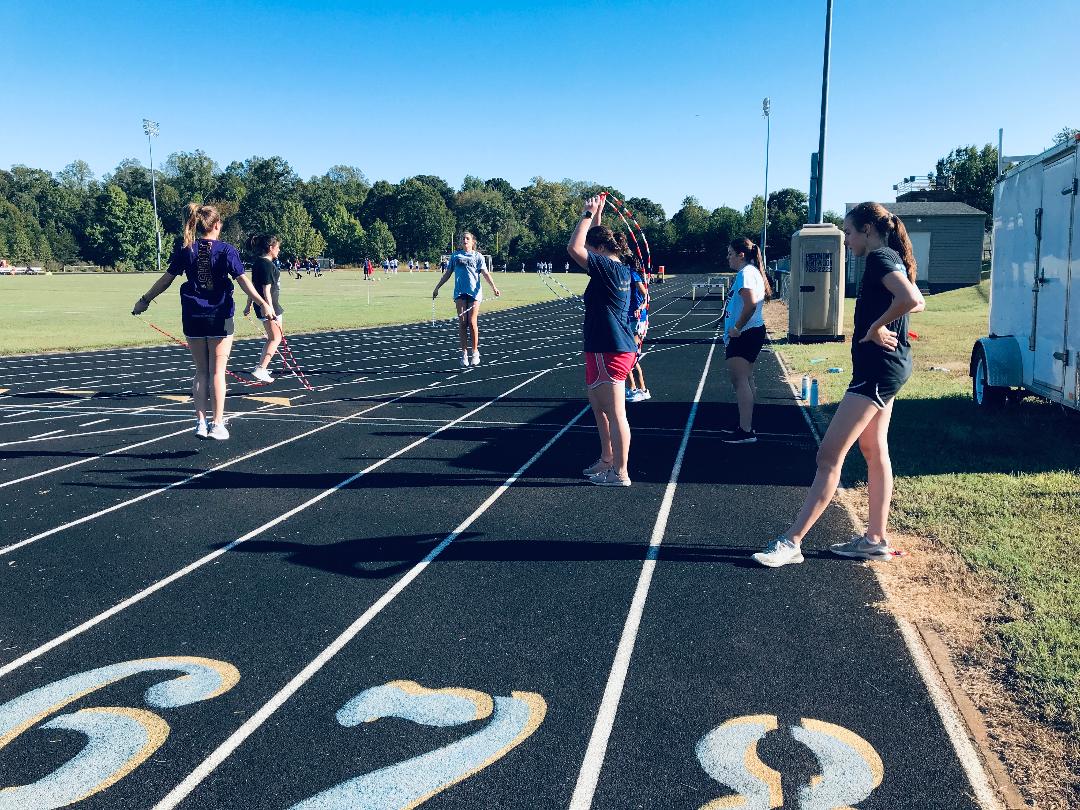
The Pre-Season Workout...
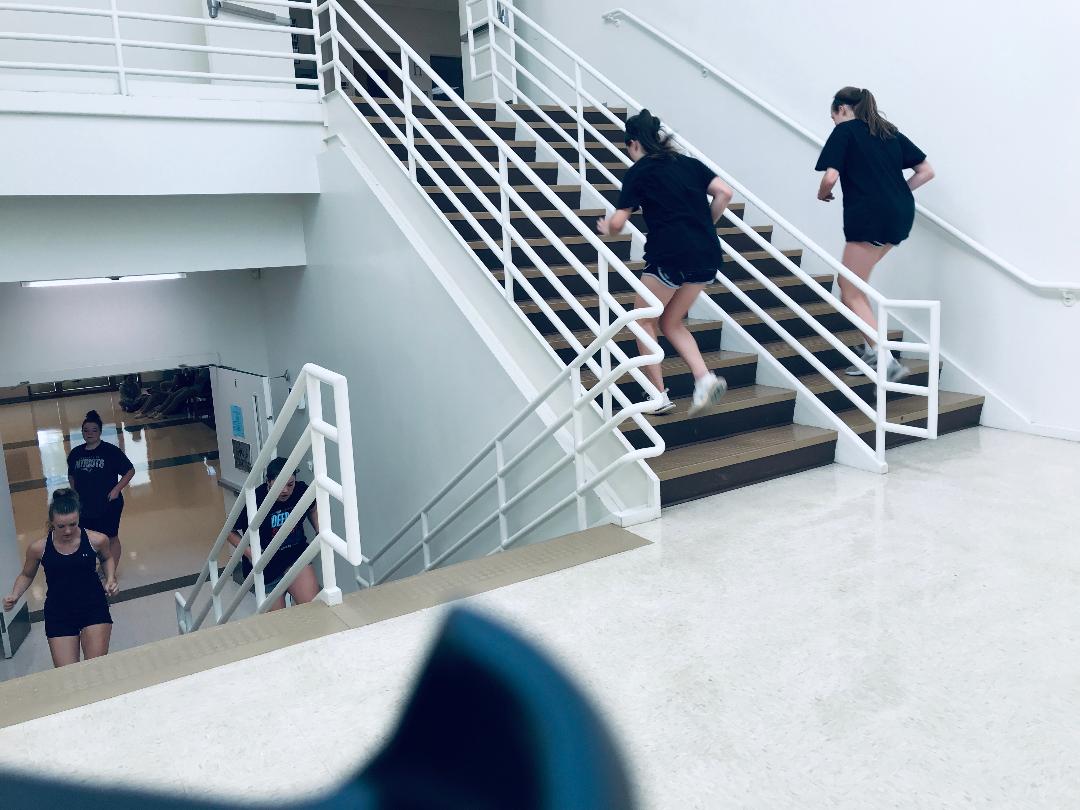
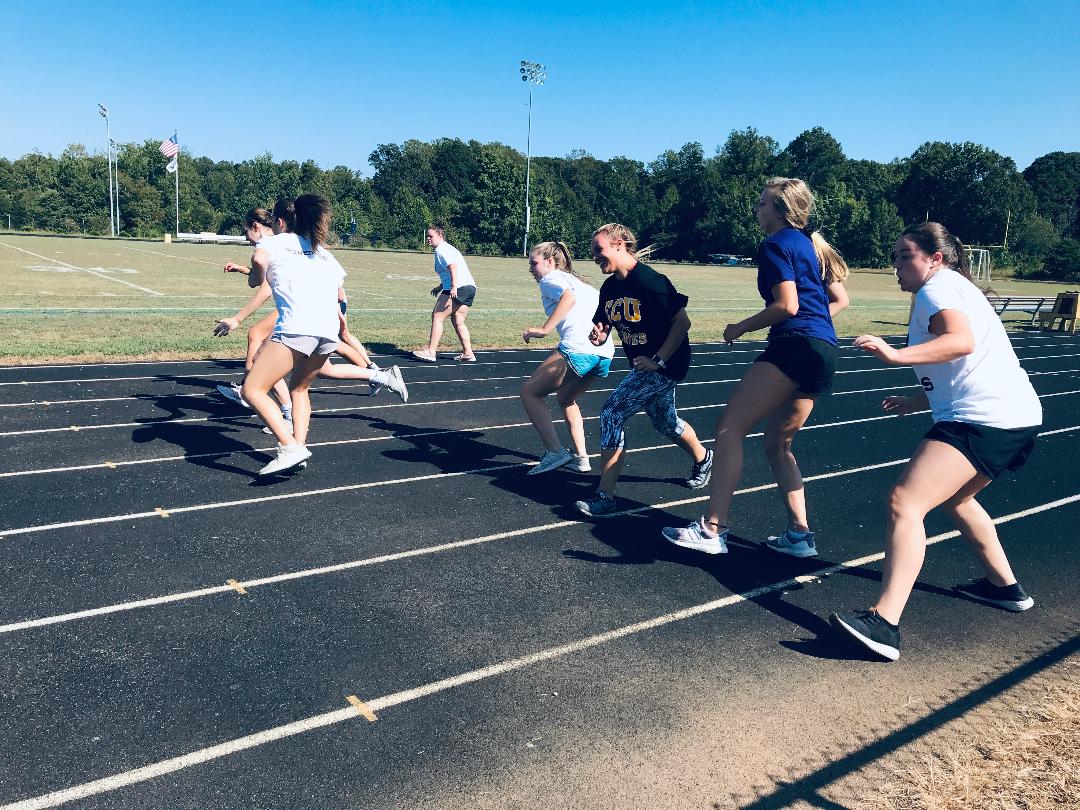
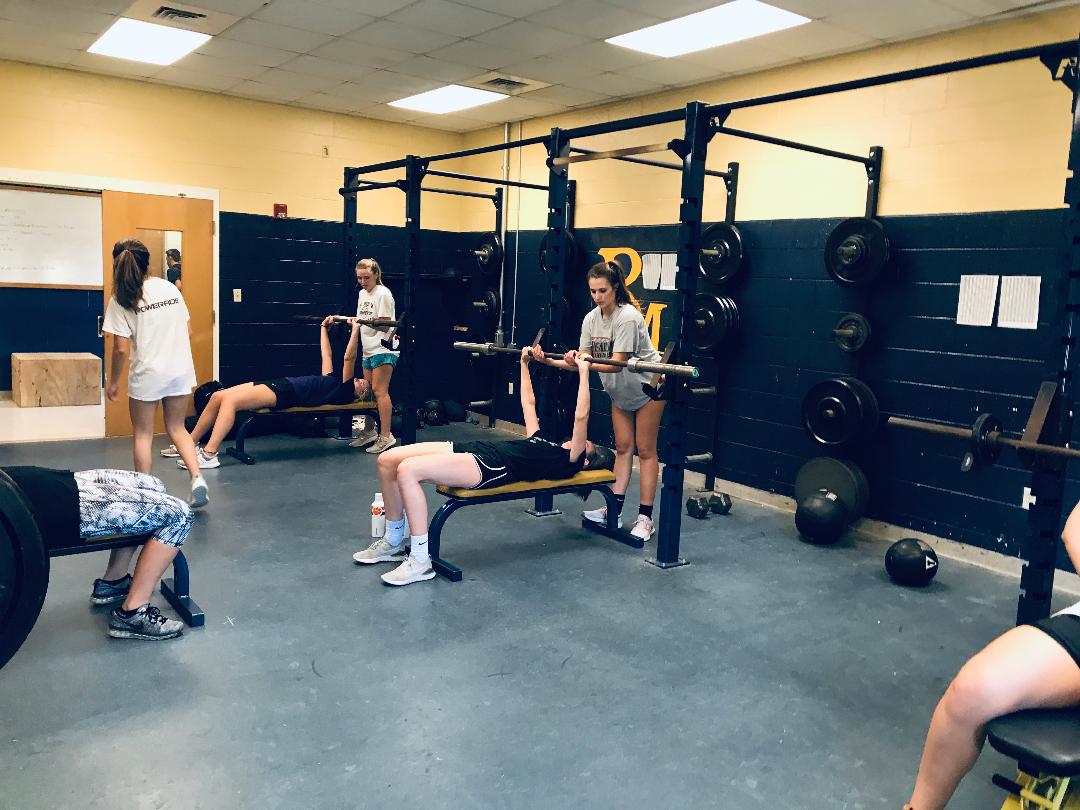
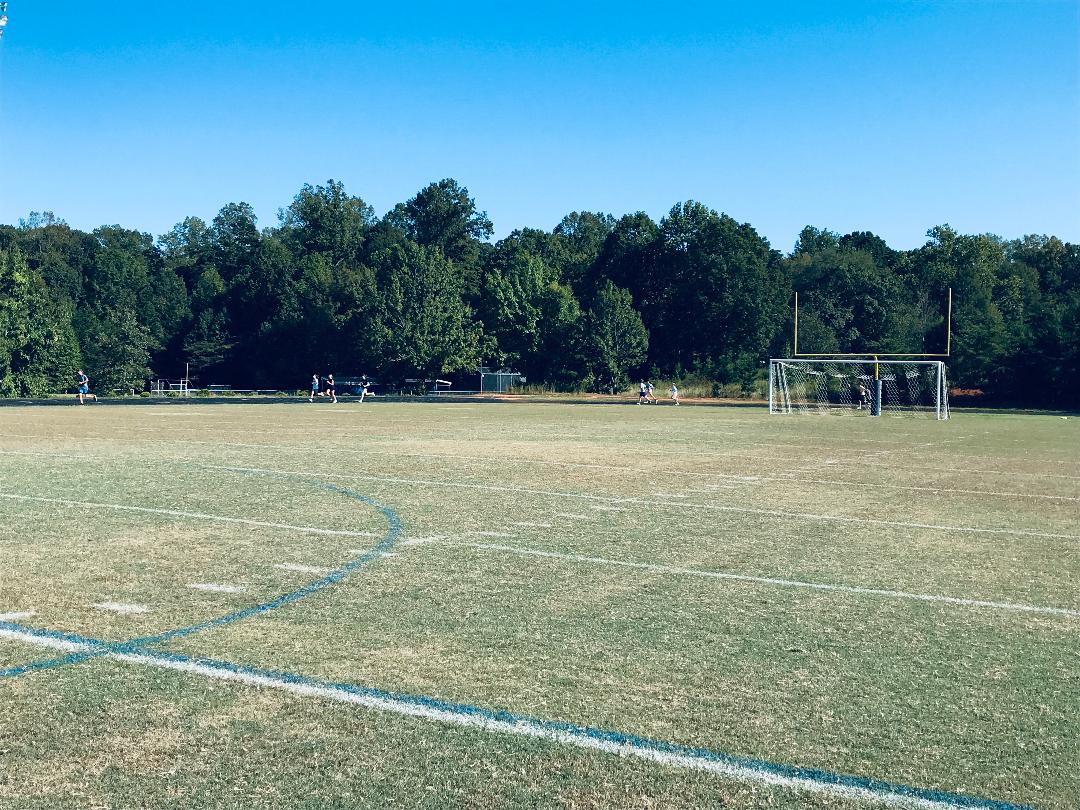
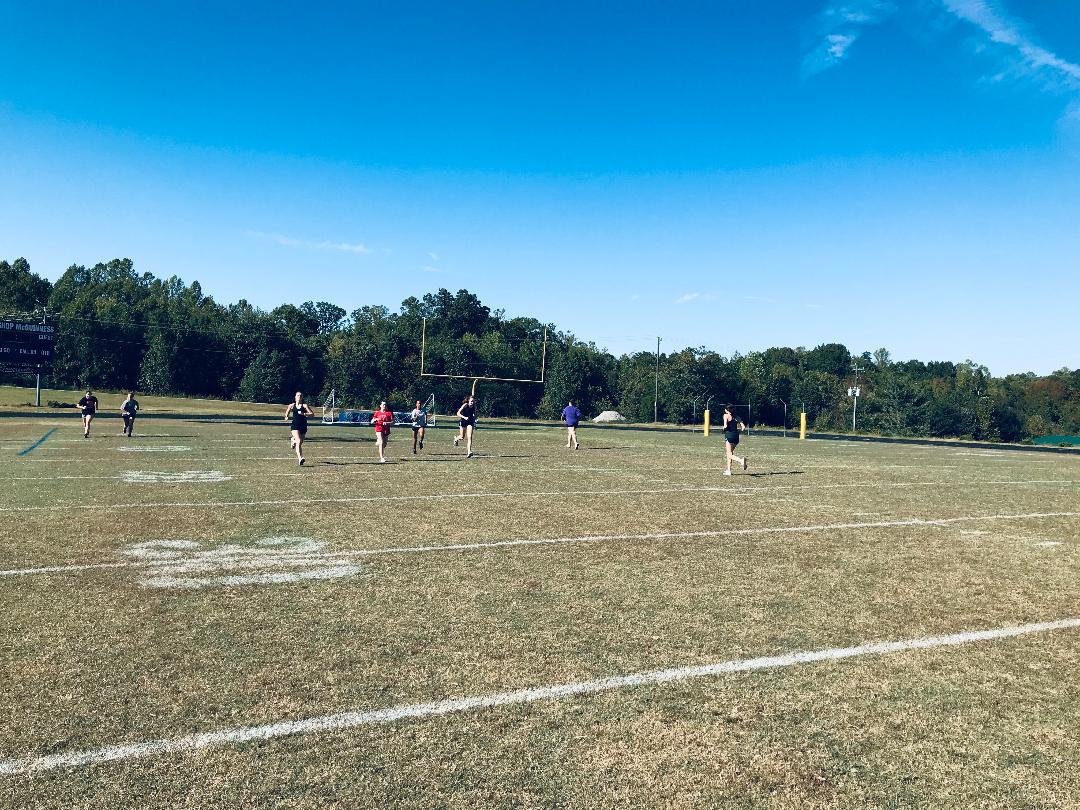
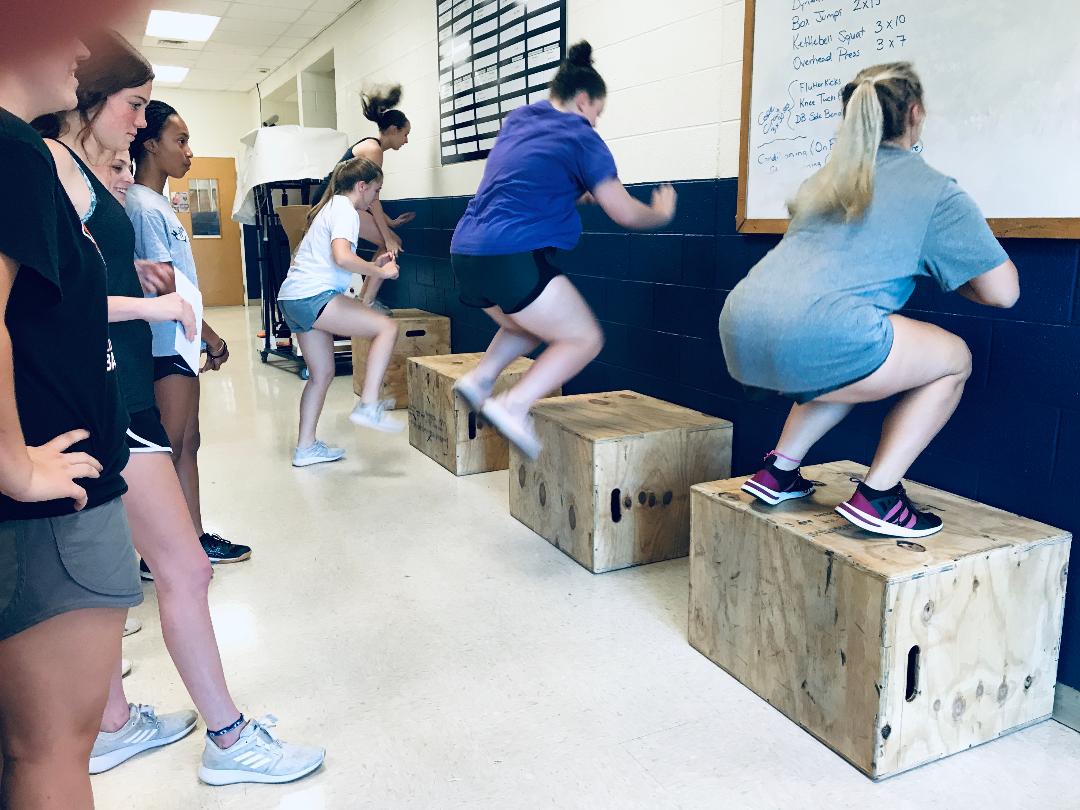
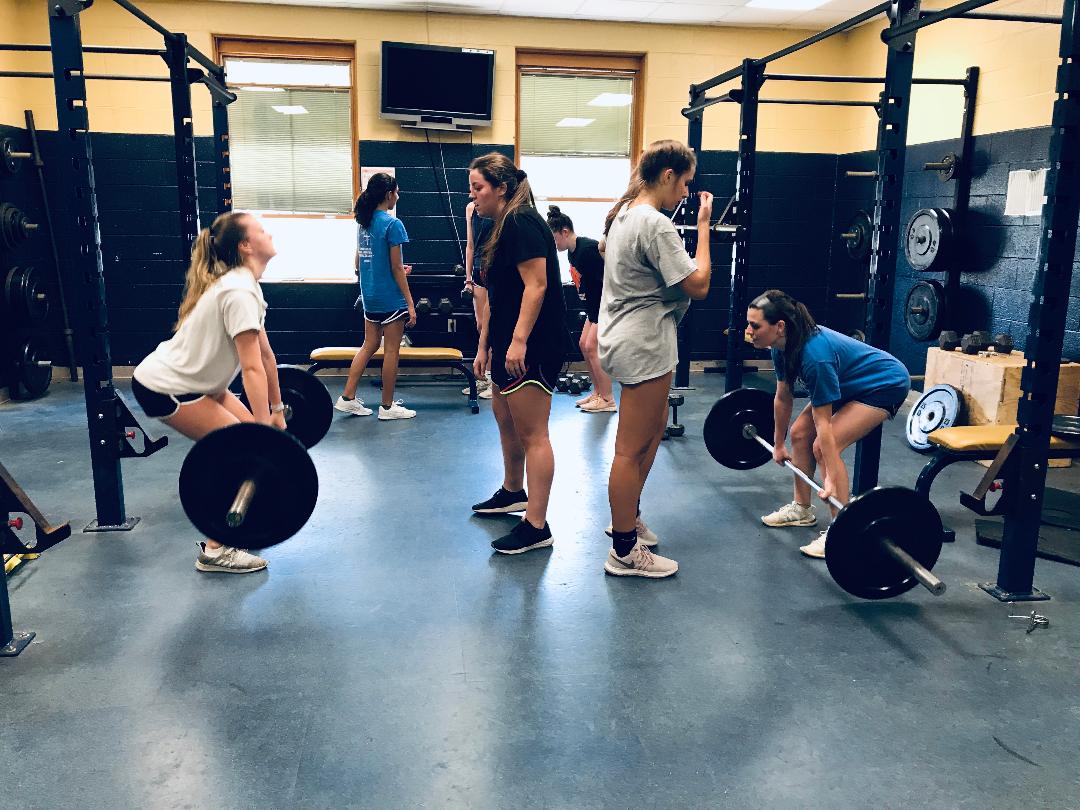
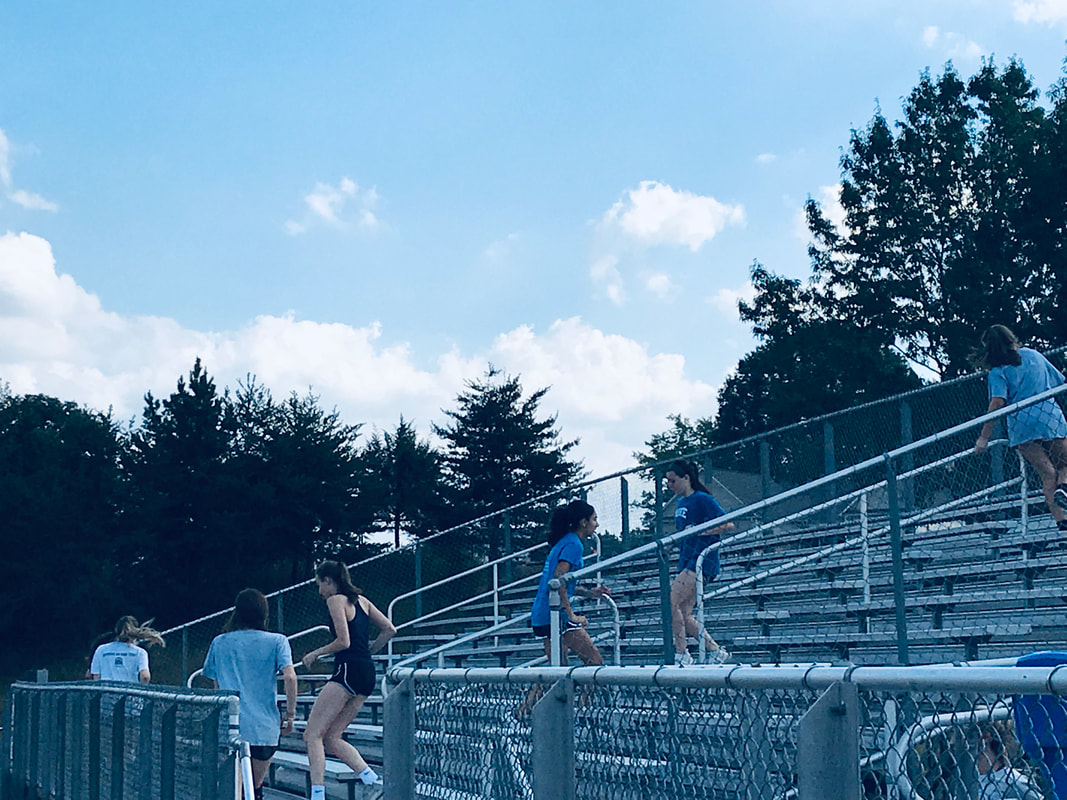
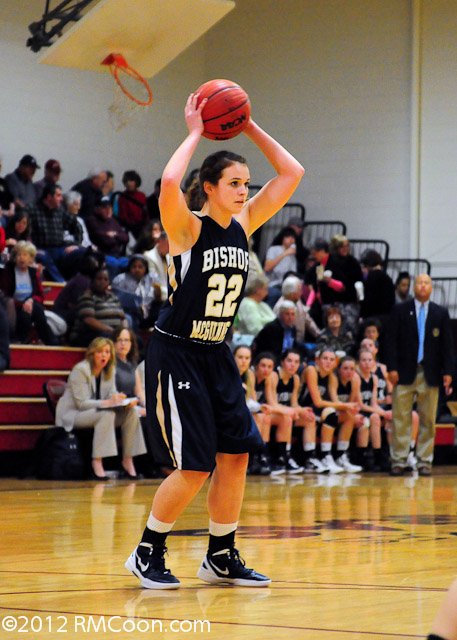
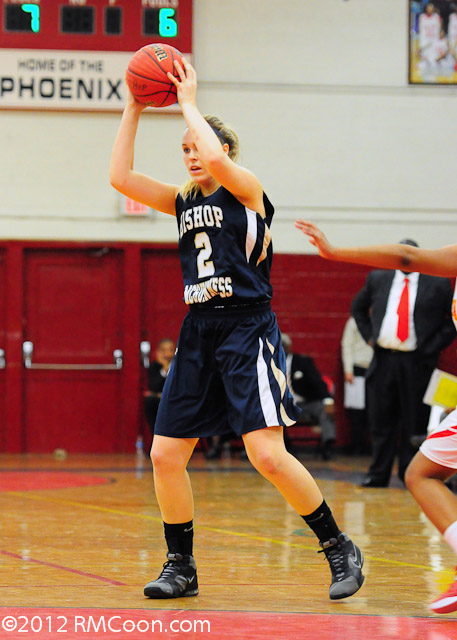
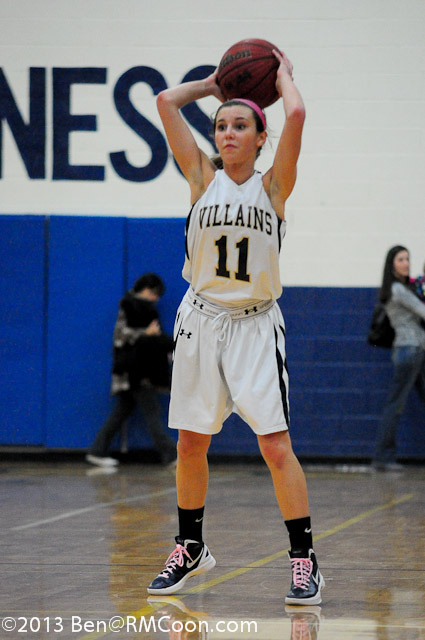
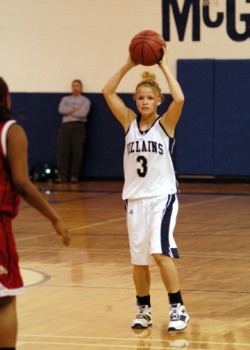
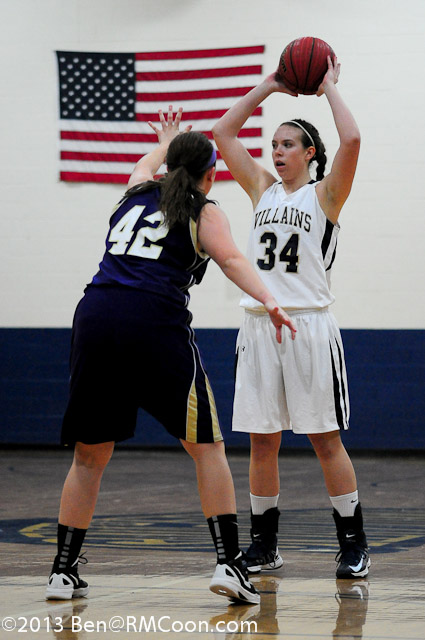
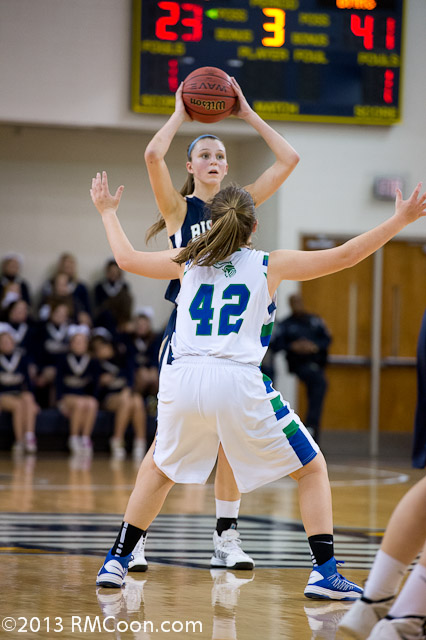
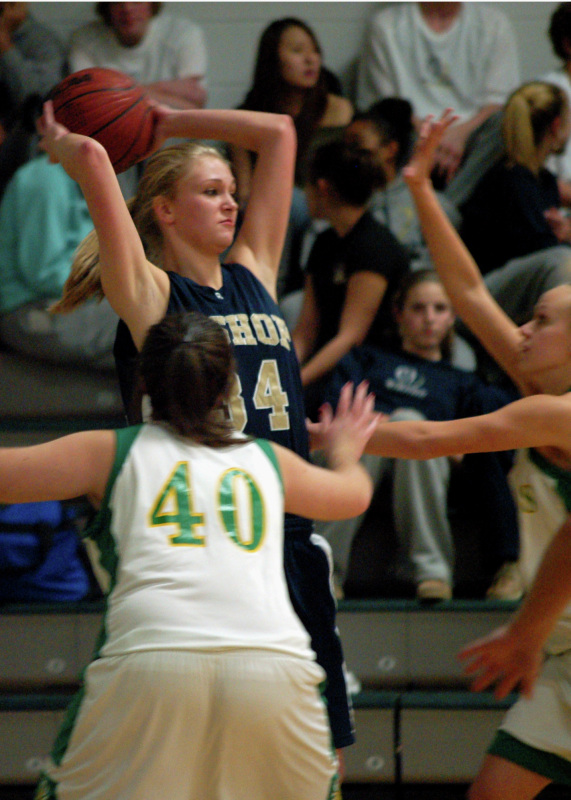
Making The Skip Pass...Fake A Pass, Make A Pass.
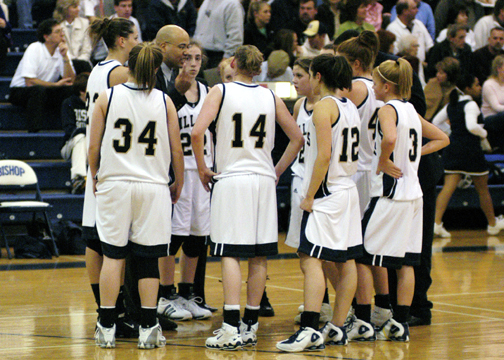
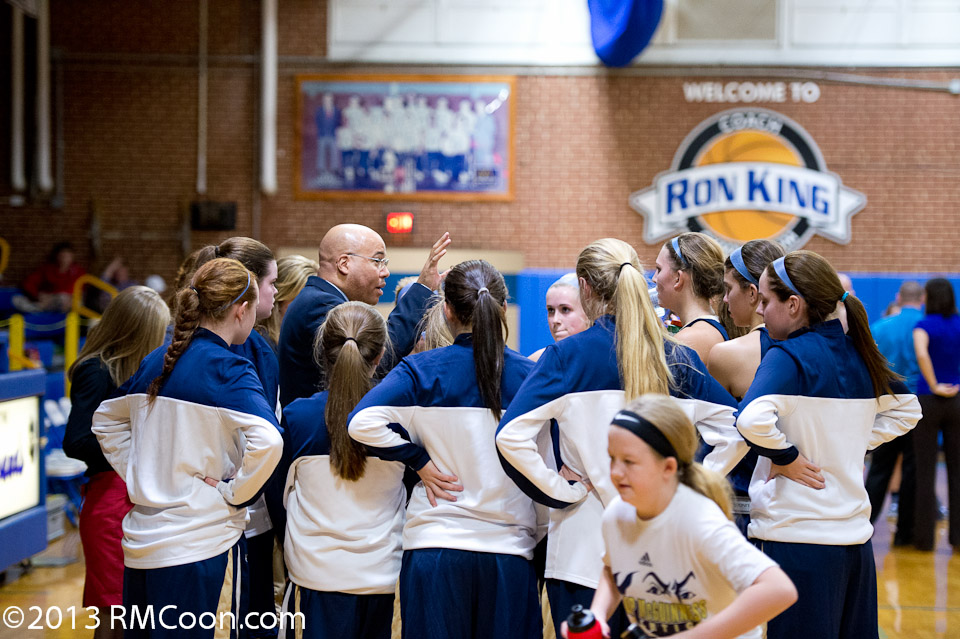
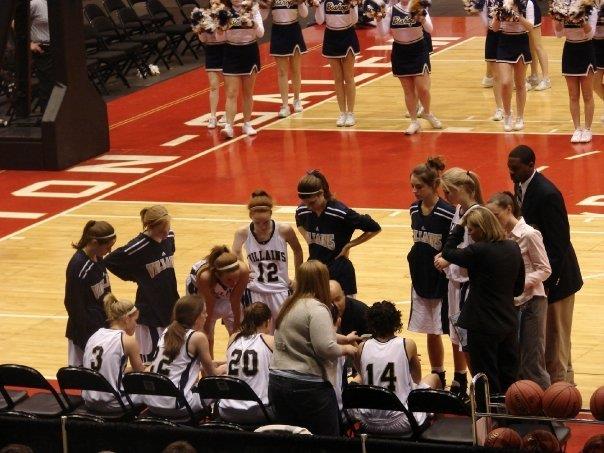
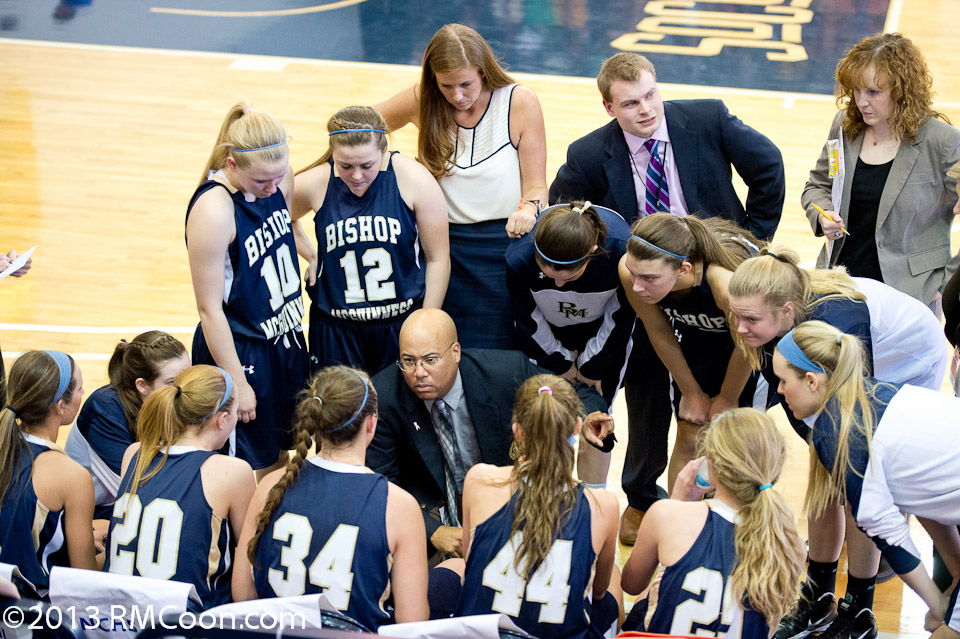
The Timeout...
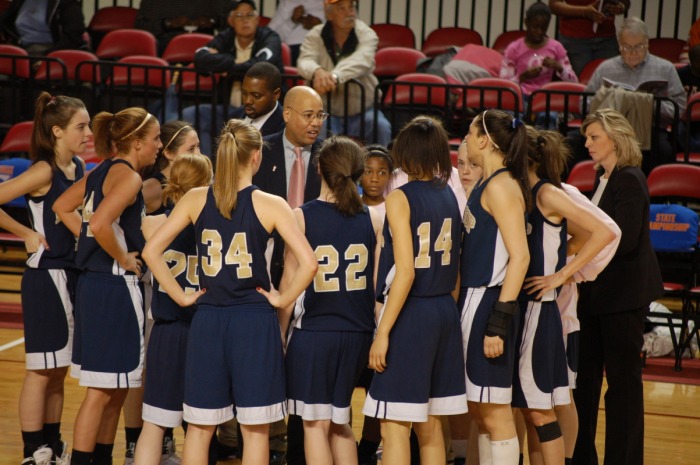
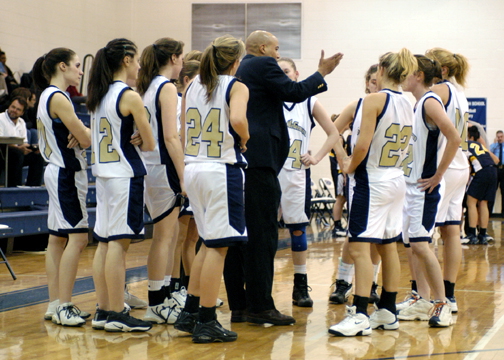
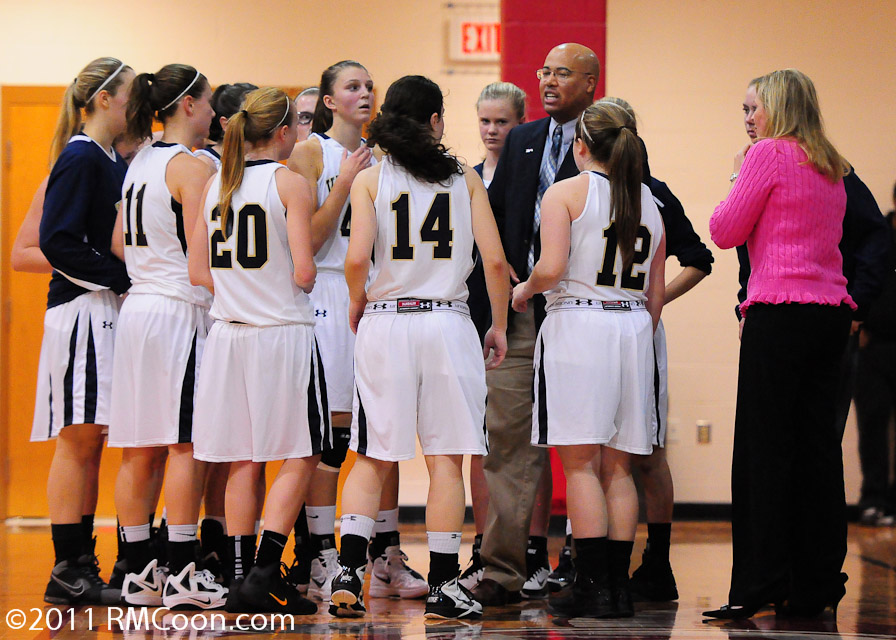
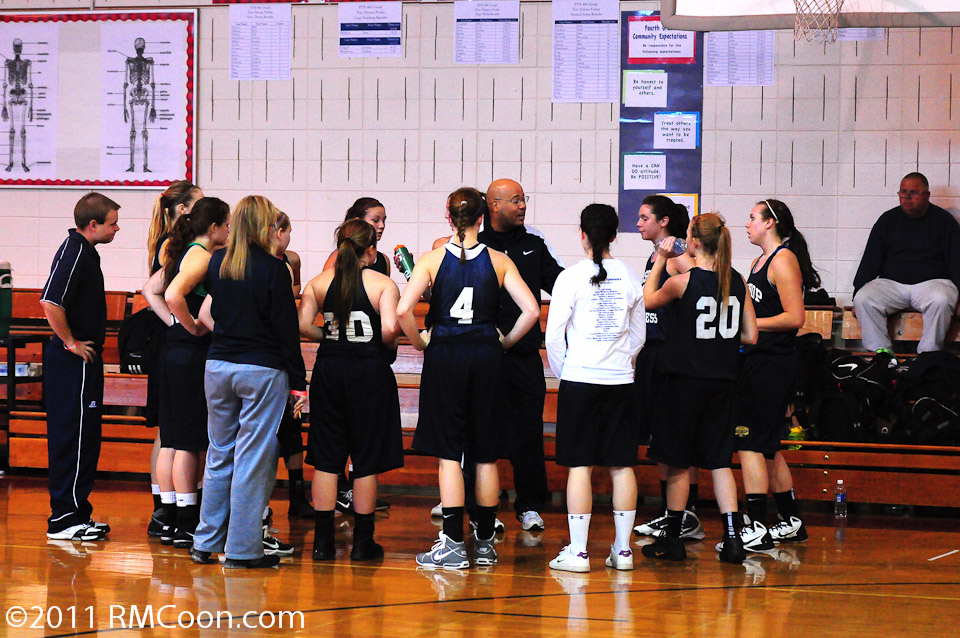
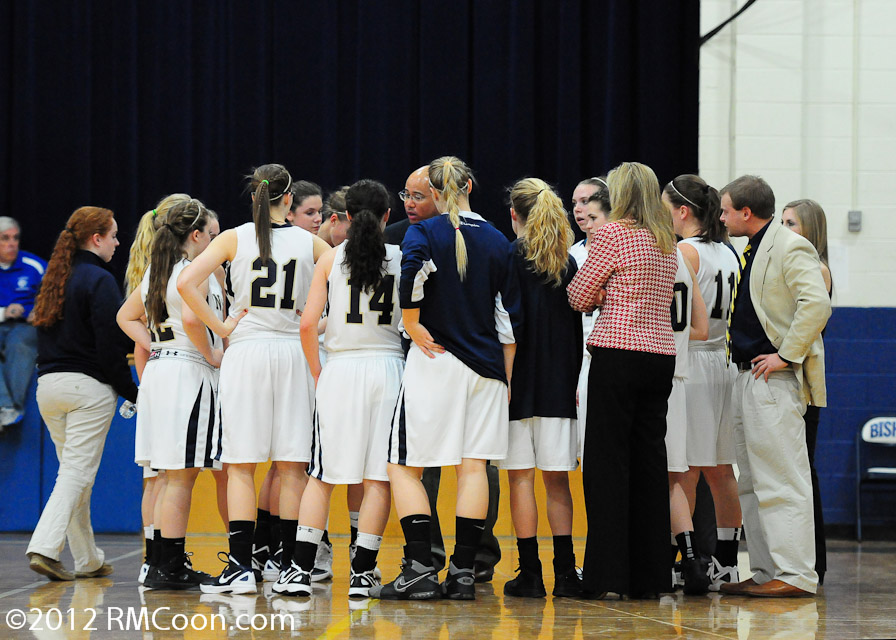
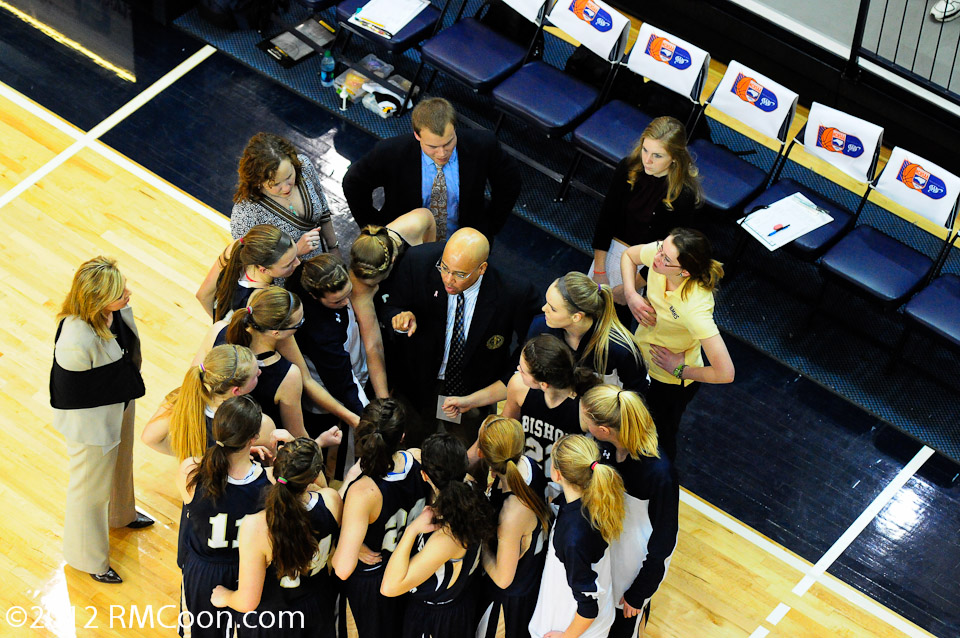
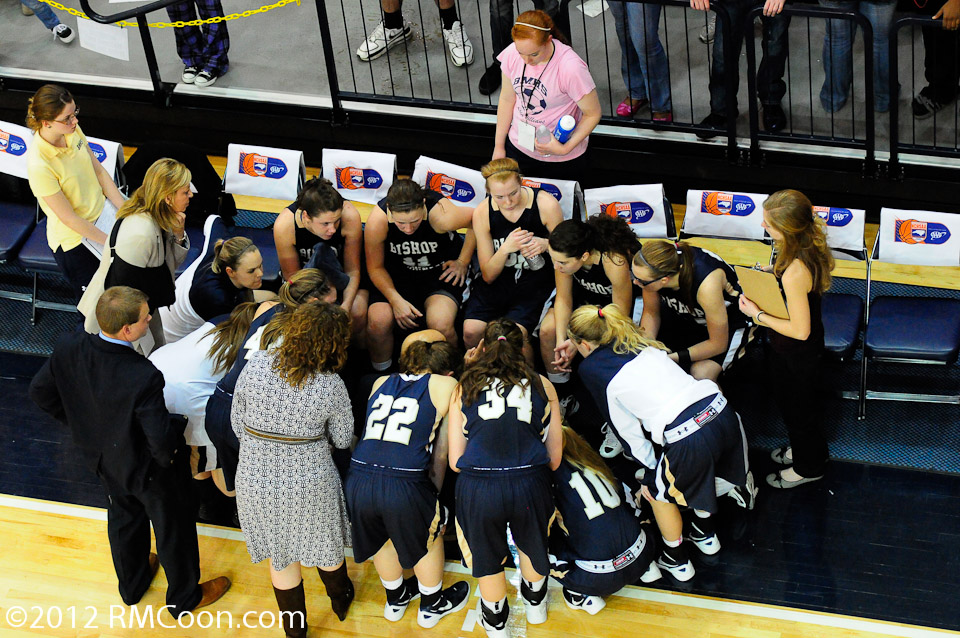
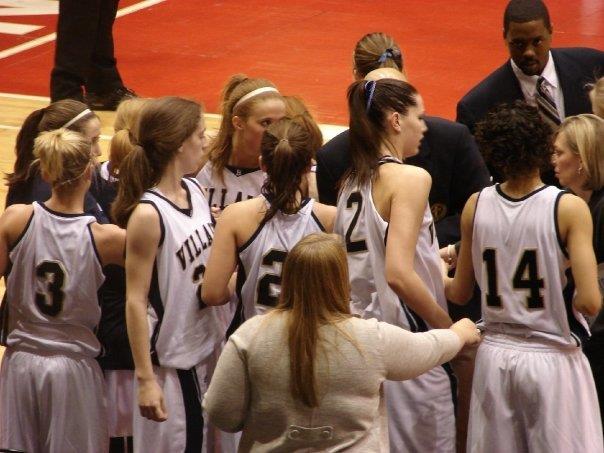
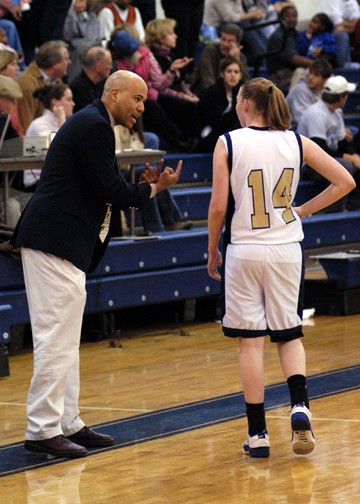
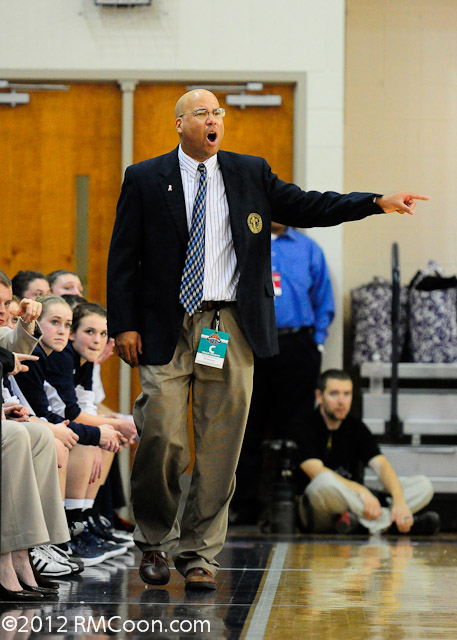
Receiving Some "Constructive" Criticism...

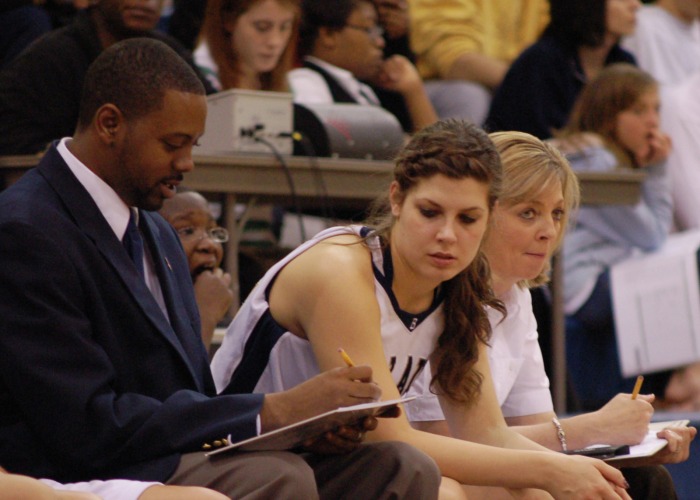

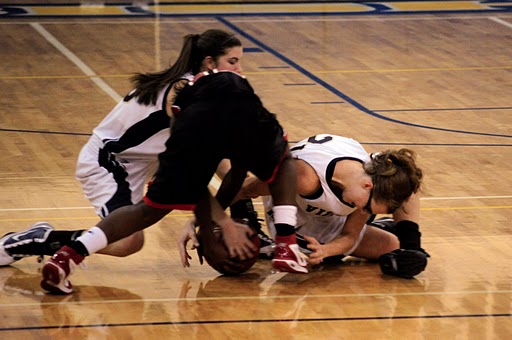
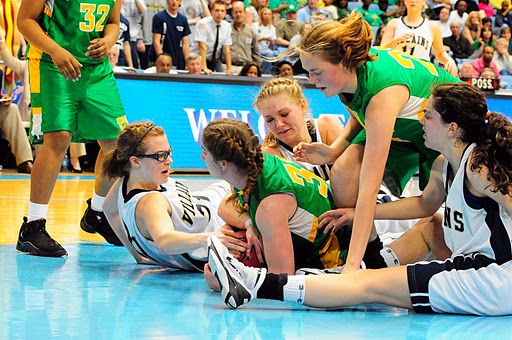
Hustling After The Ball For The Team...
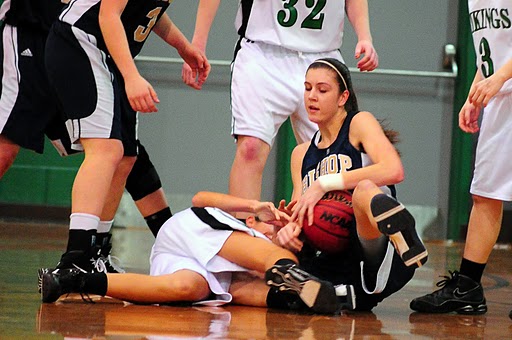
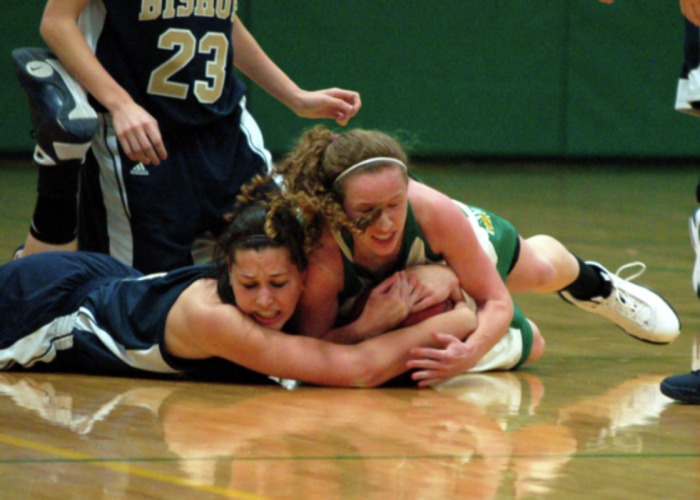
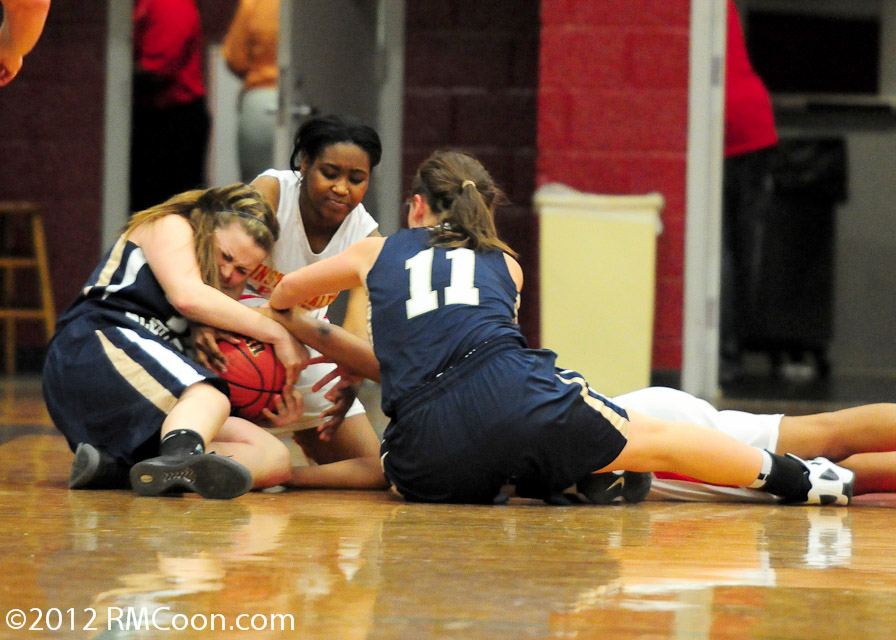
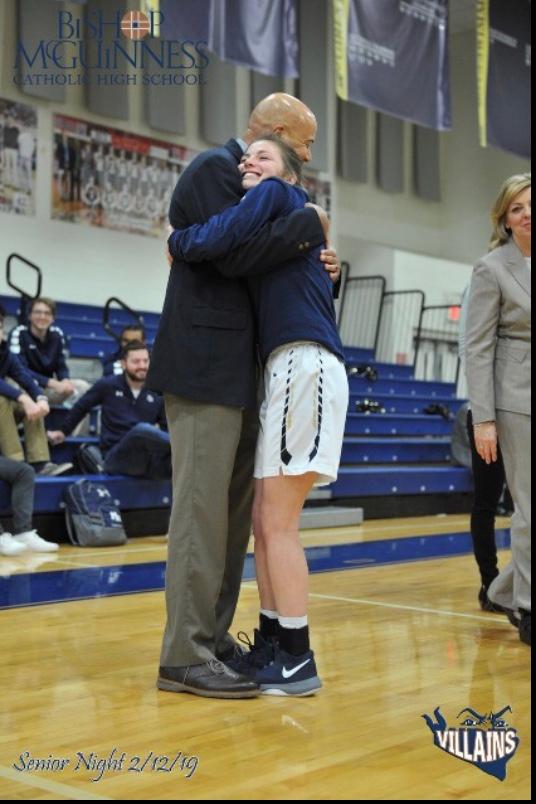
Or Receiving Your Senior Night Hug...
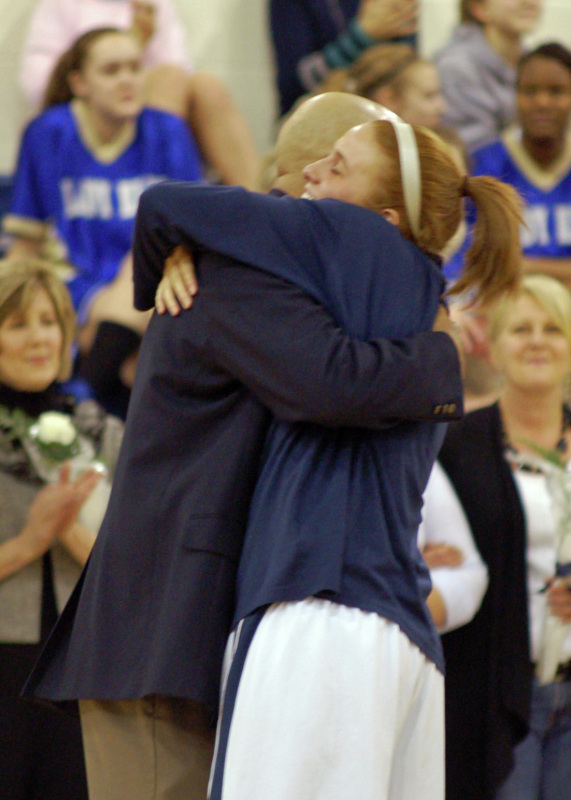
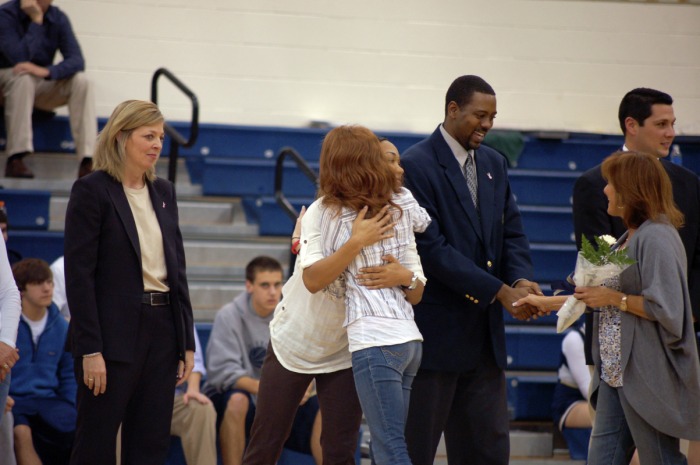
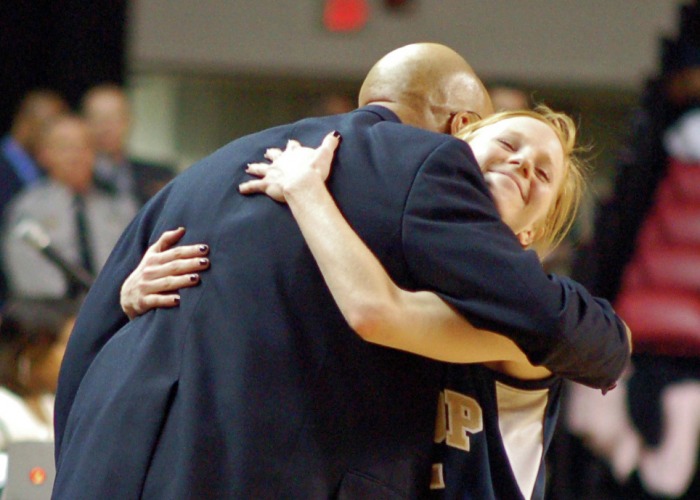
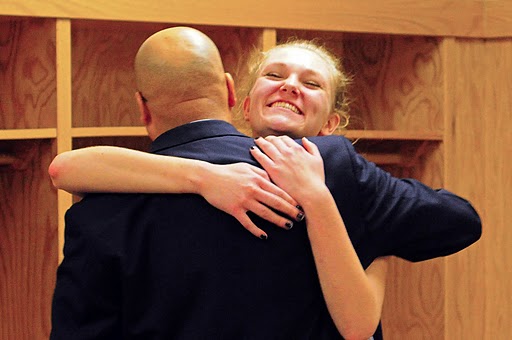
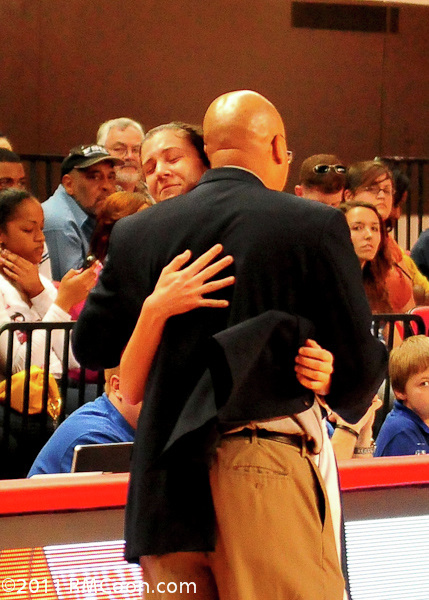
You Still Have To Work Through Adversity...

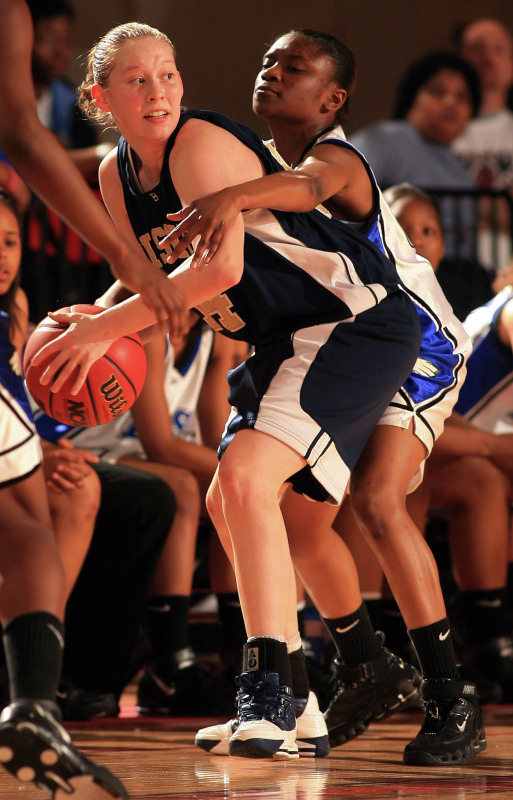
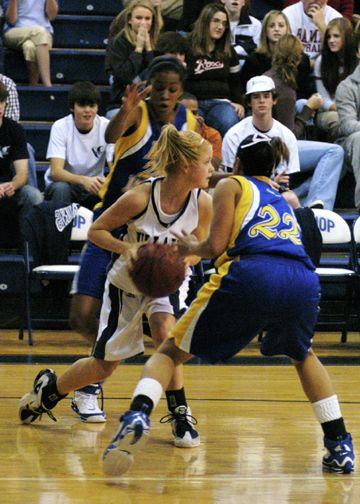
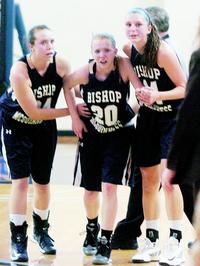

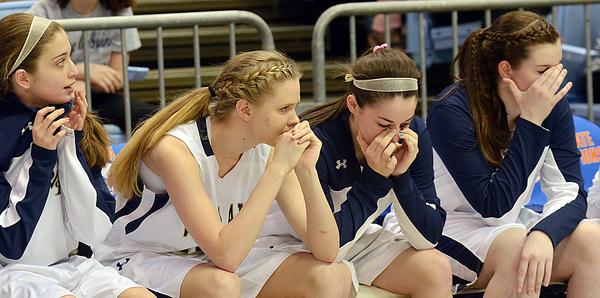
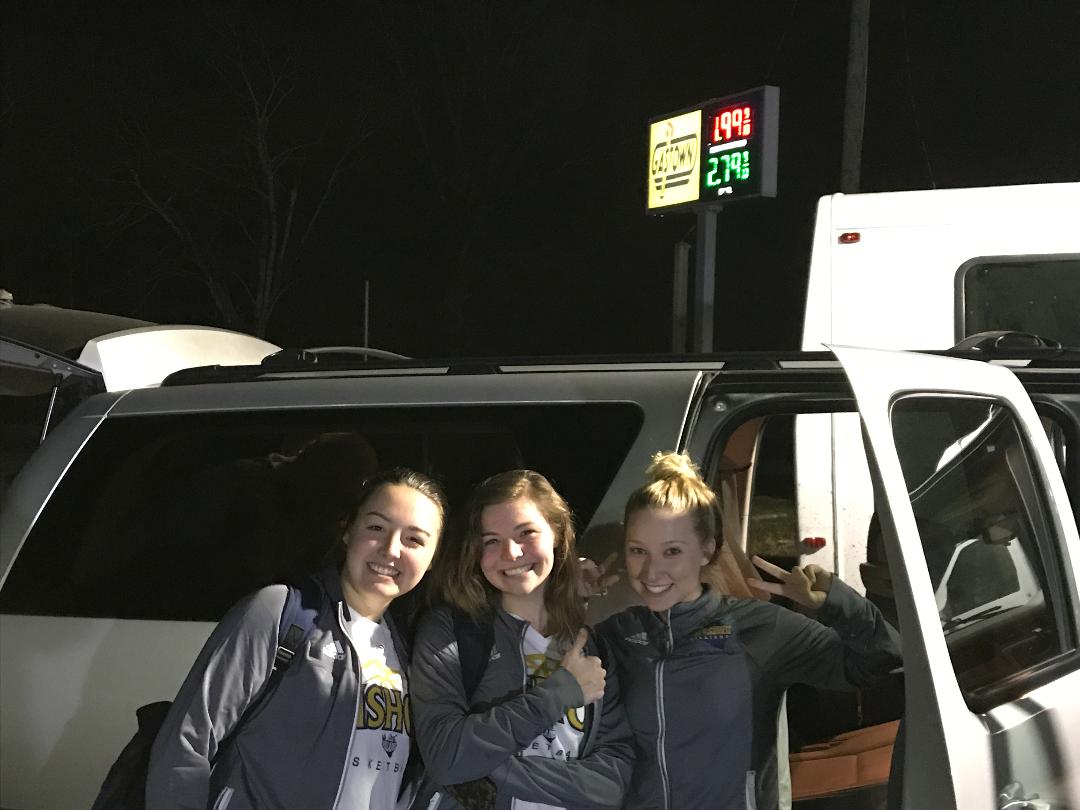
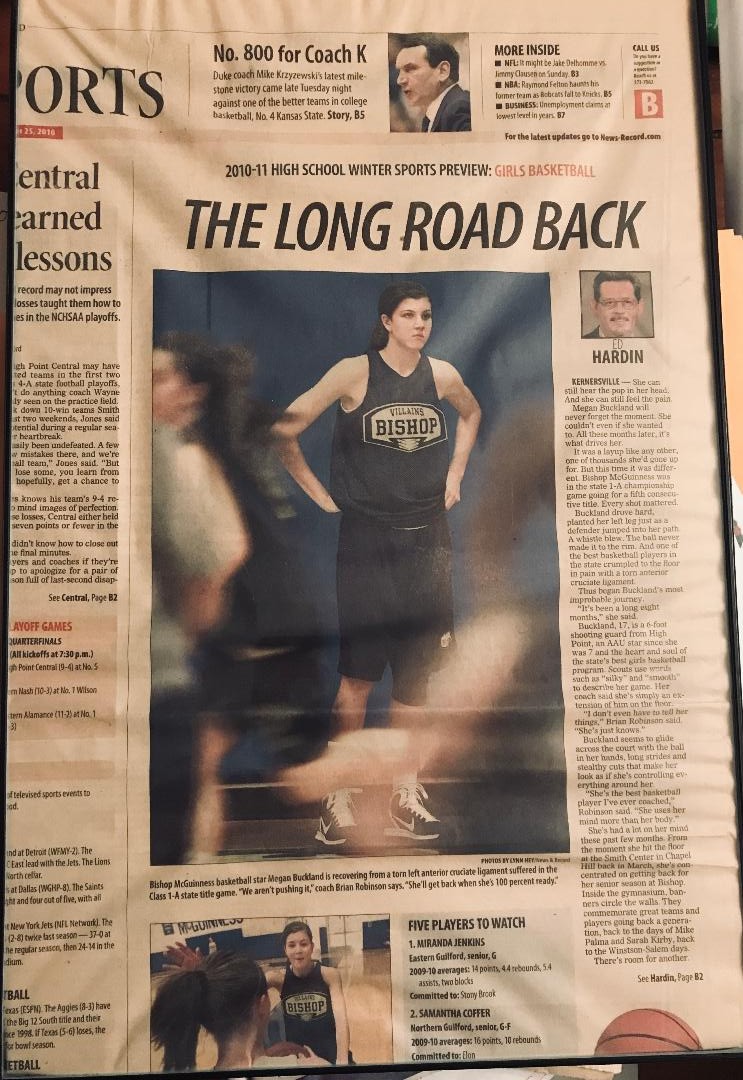
Losers assemble in little groups and complain... but winners assemble as a team. – Bill Parcells
And Sometimes Shed Some Tears...
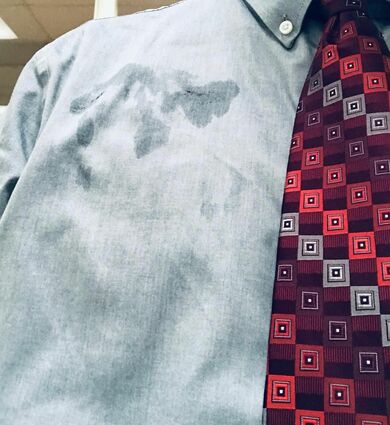
And Remember To Have A Little Fun....(Click HERE)
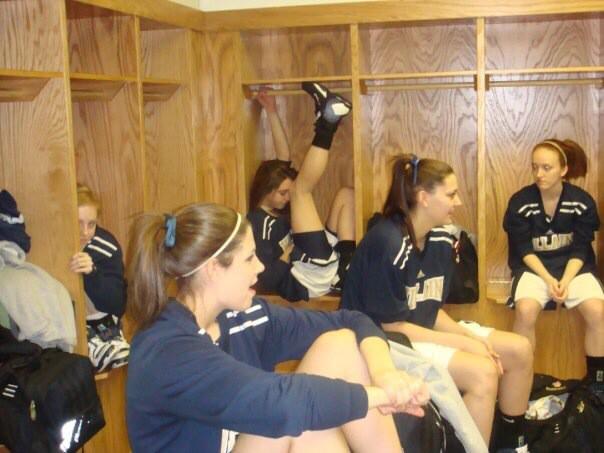
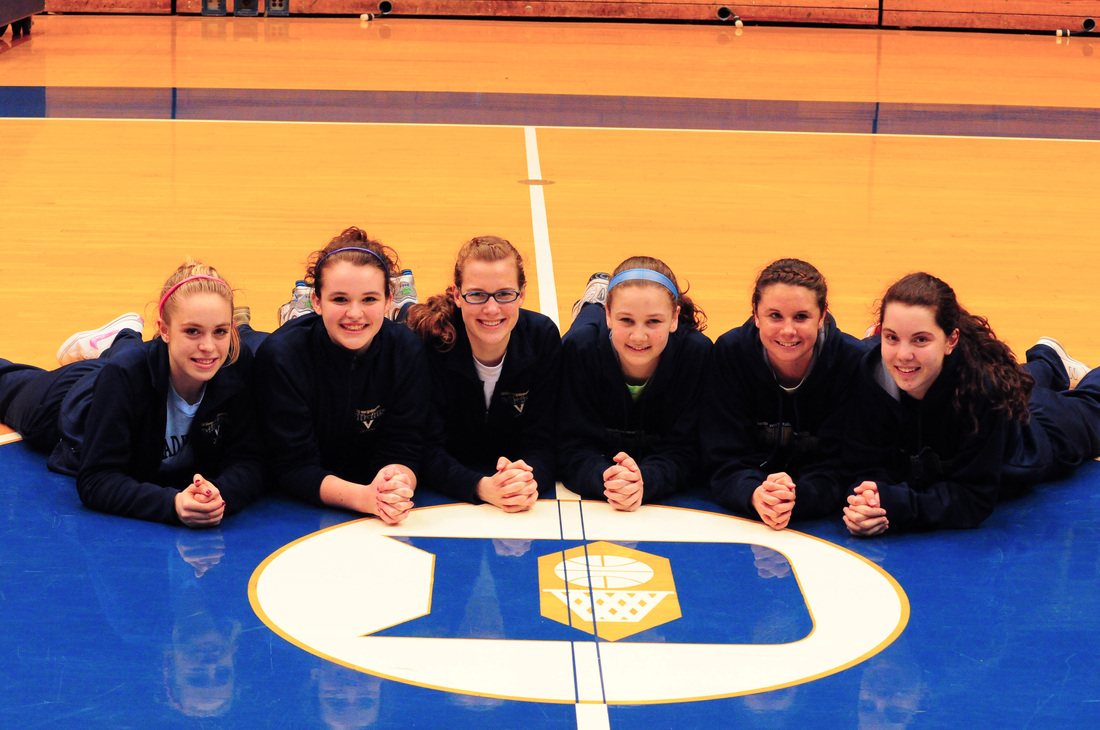


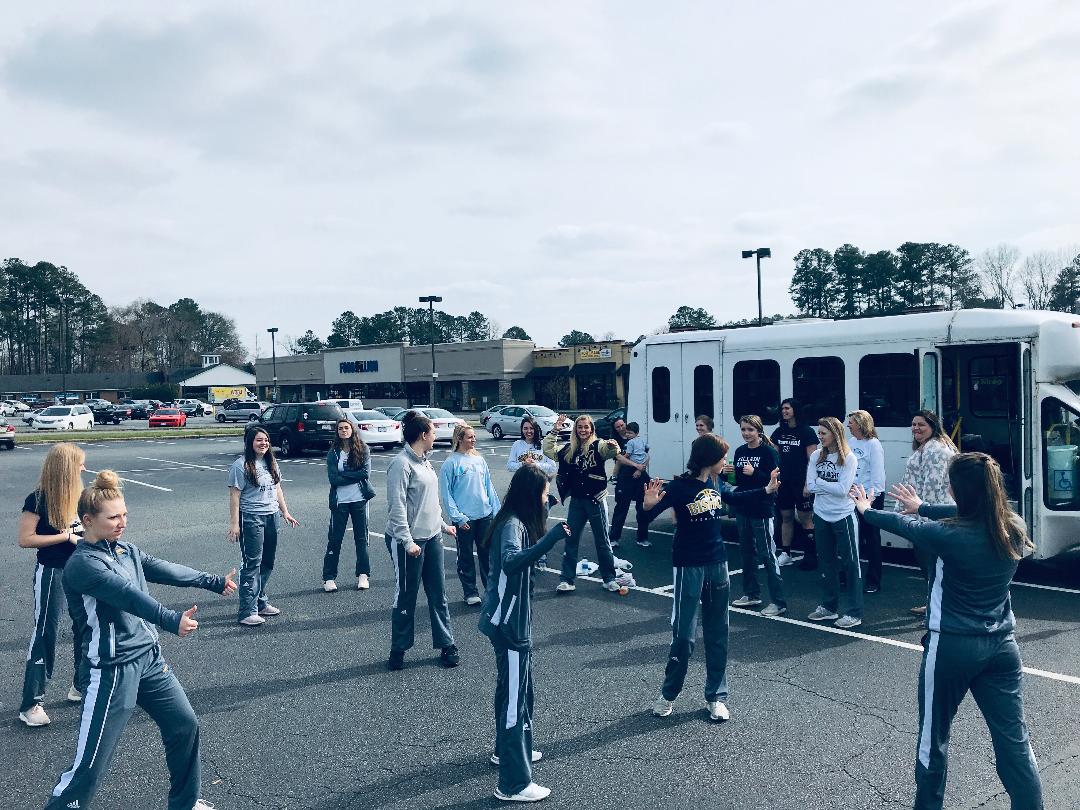

| Coach R Birthday Downtown Atlanta 2017 |
To Have The Opportunity To Maybe Reach Your Goal In The End...
And experience the Fridays before the state championship games....Click HERE.
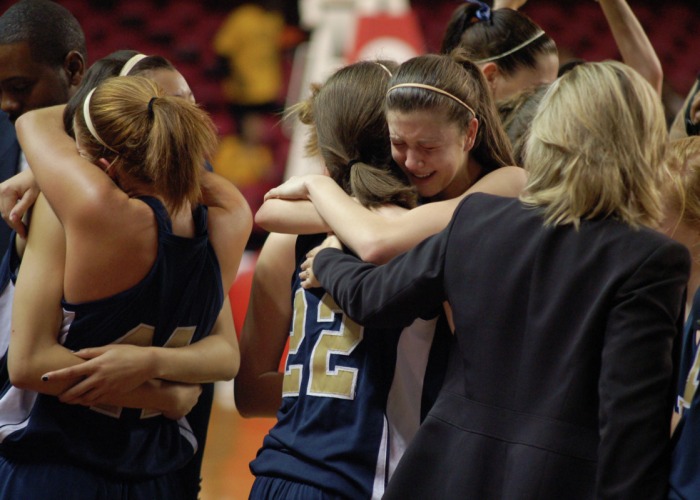
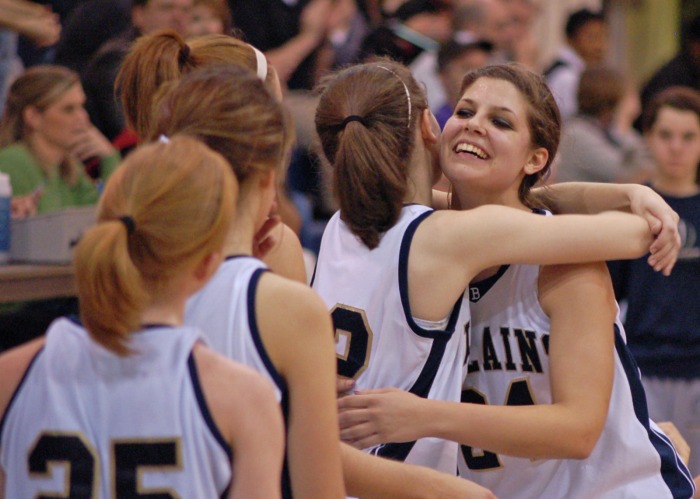
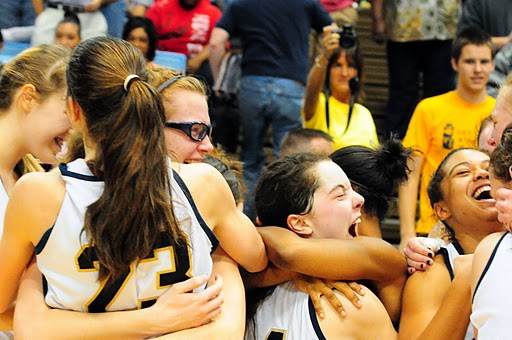
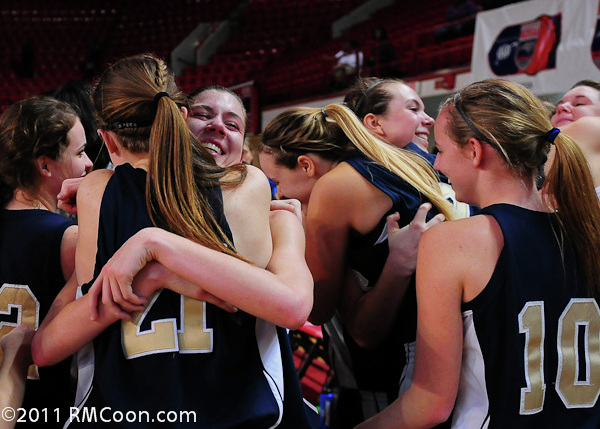
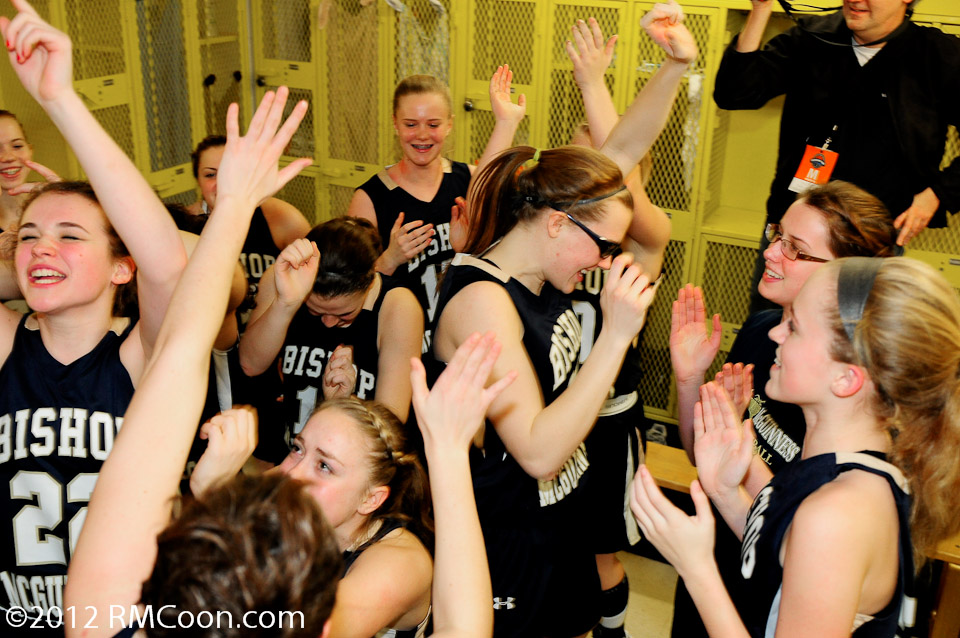
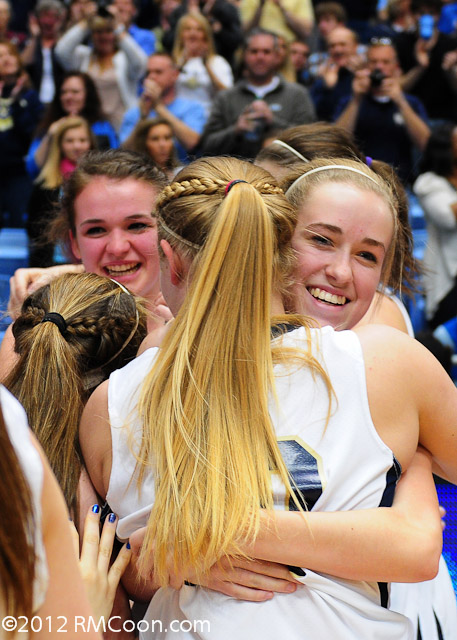
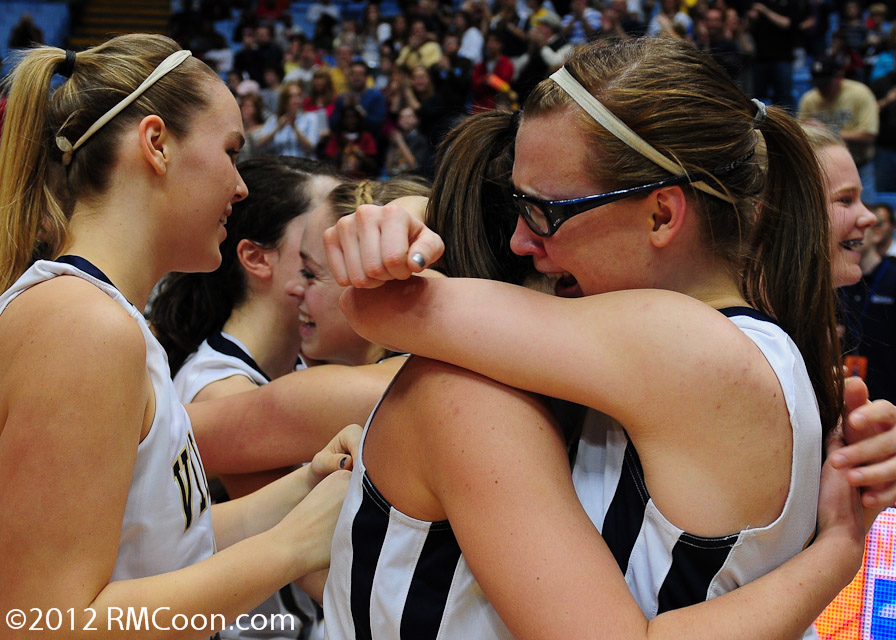
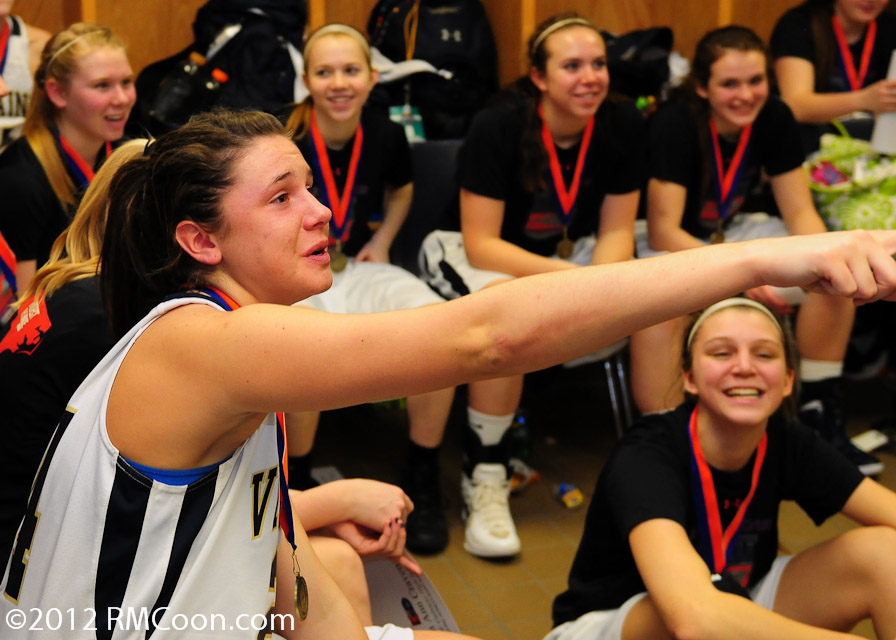
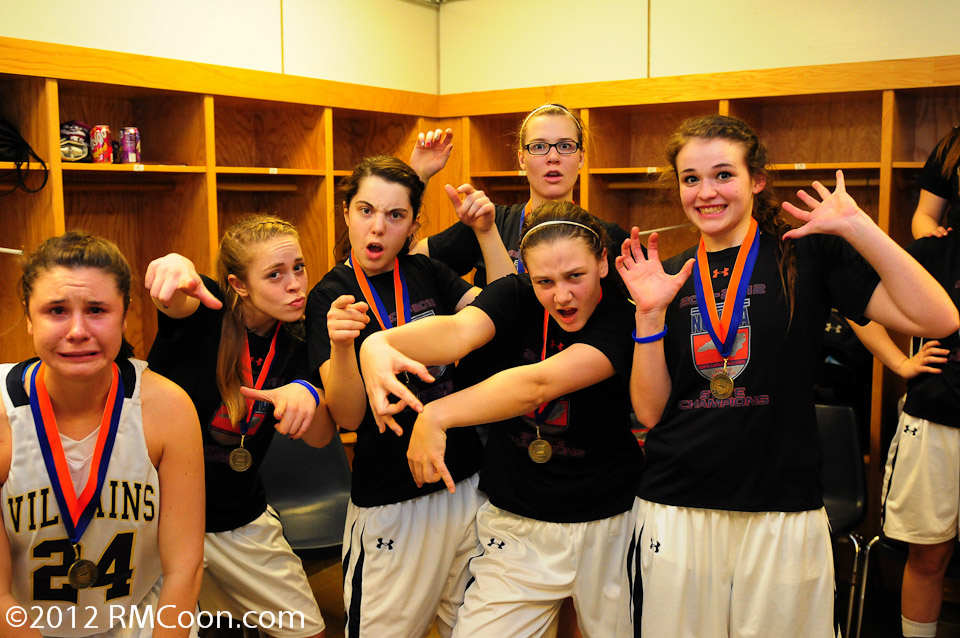





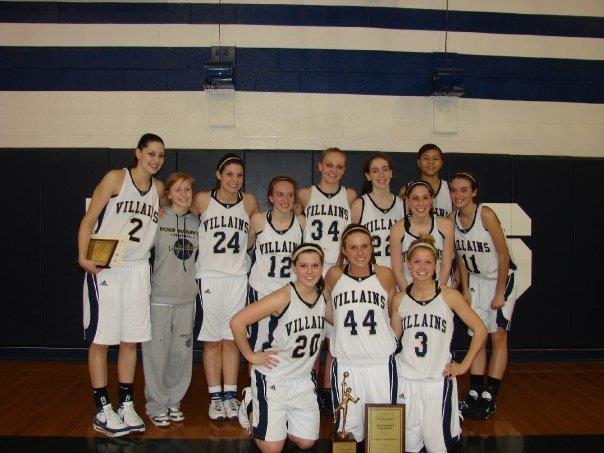

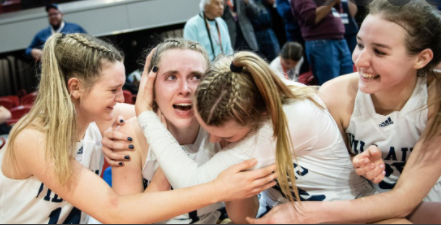
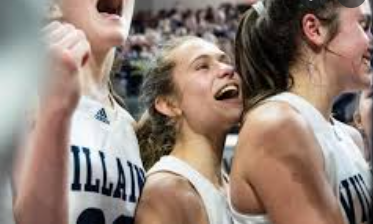
And Even If You Come Up Just A Little Short Of Your Goal... The Process Was A Lot Of Fun....
(2020 Run To The Eastern Regional Final)
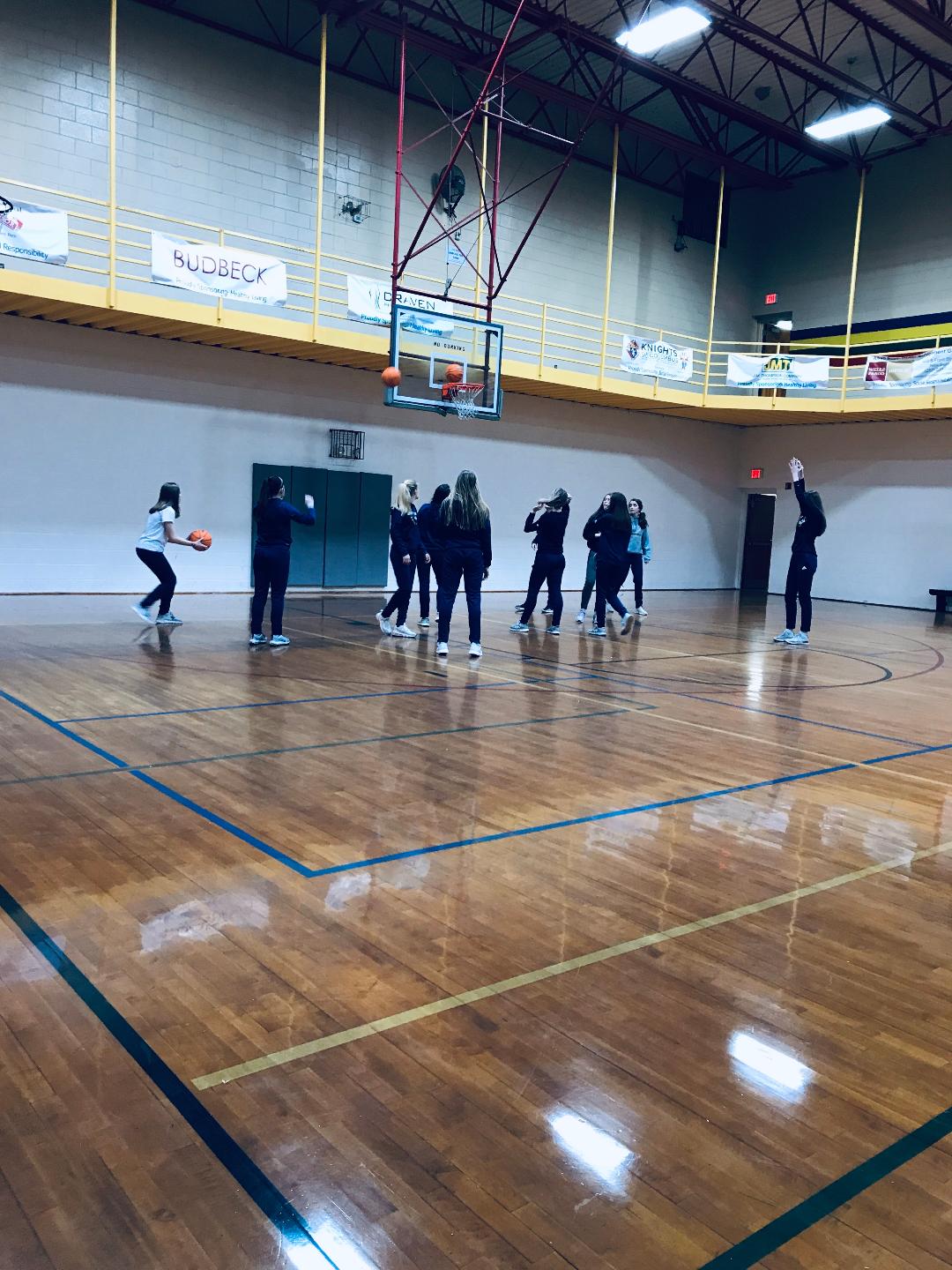
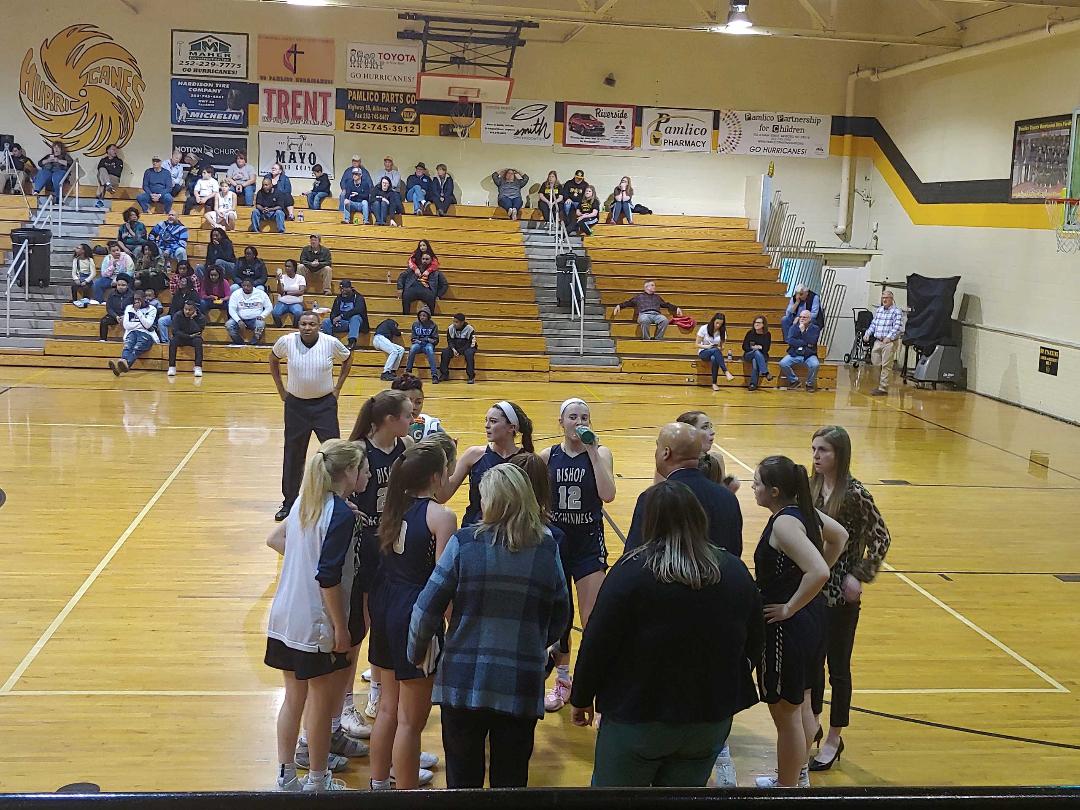
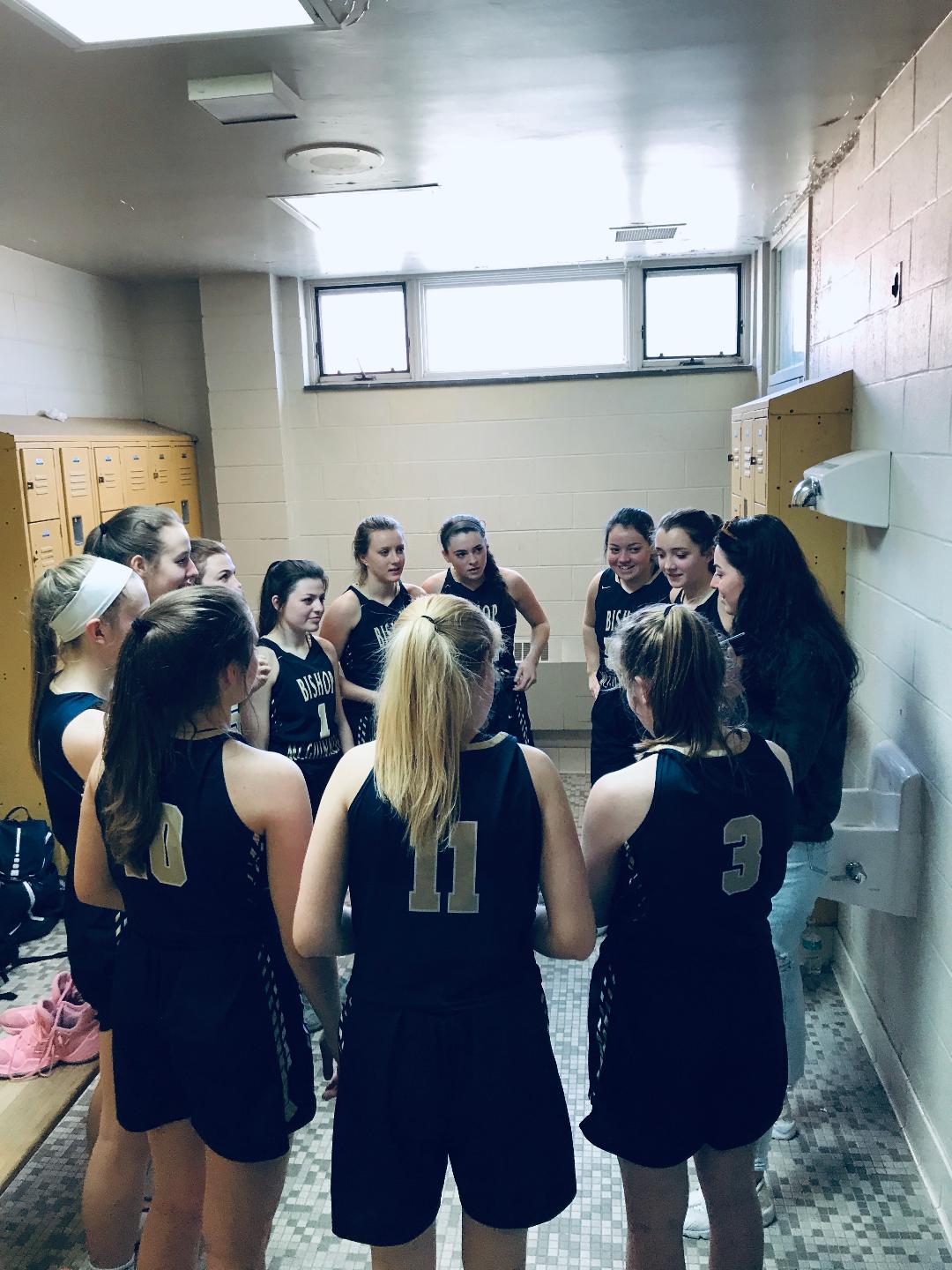
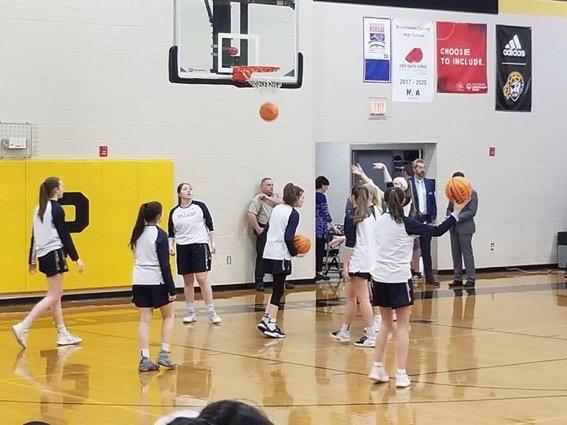
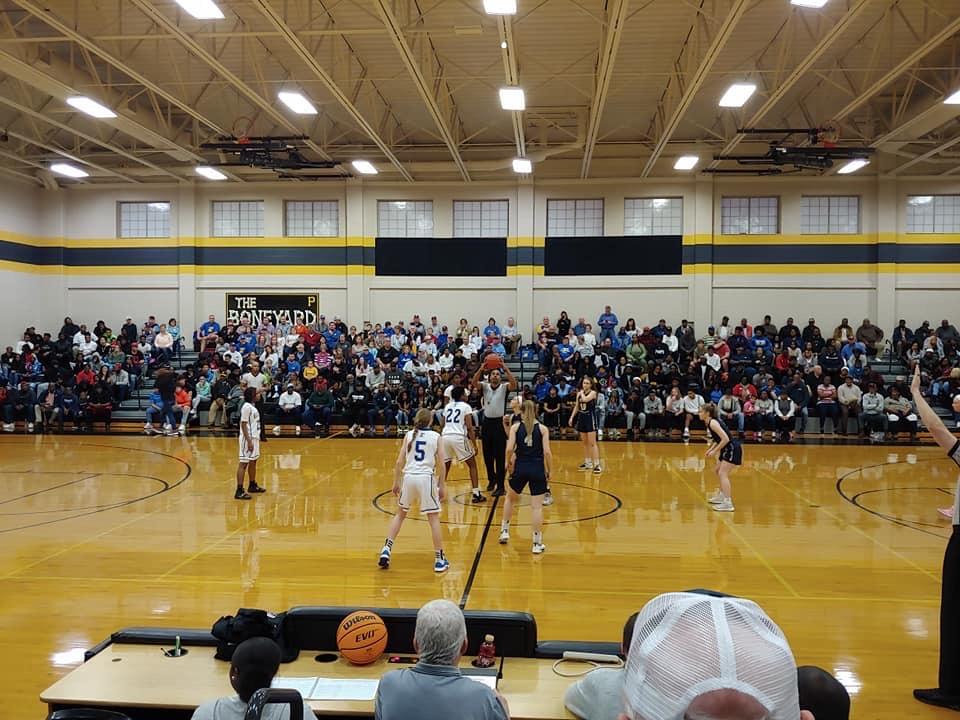
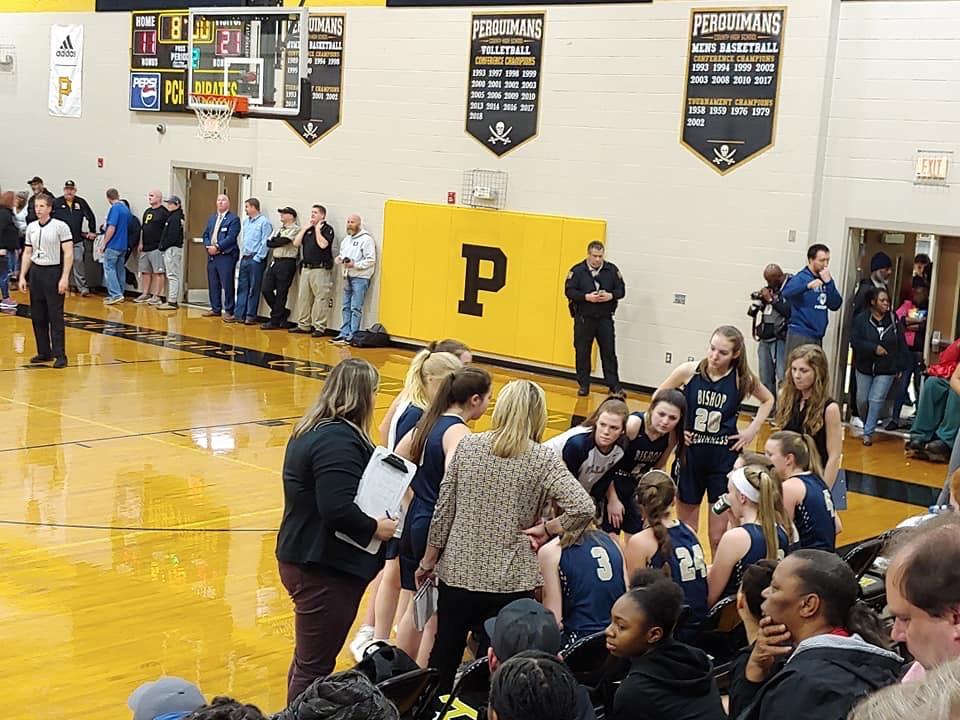
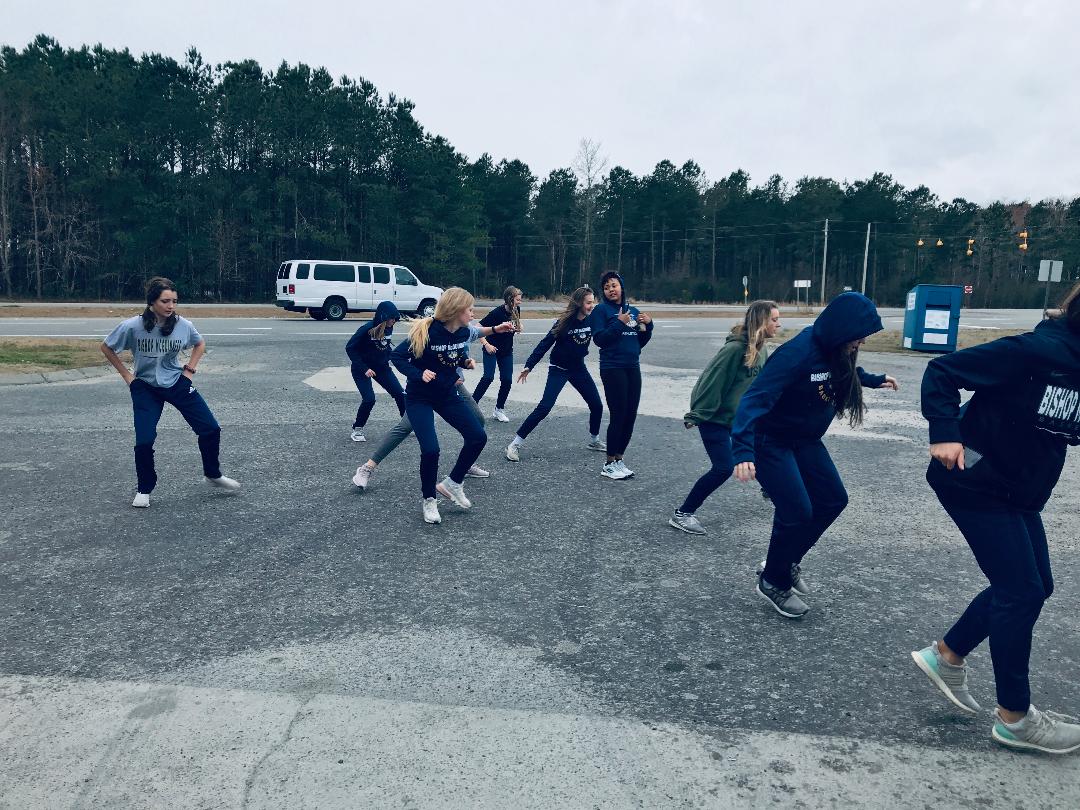
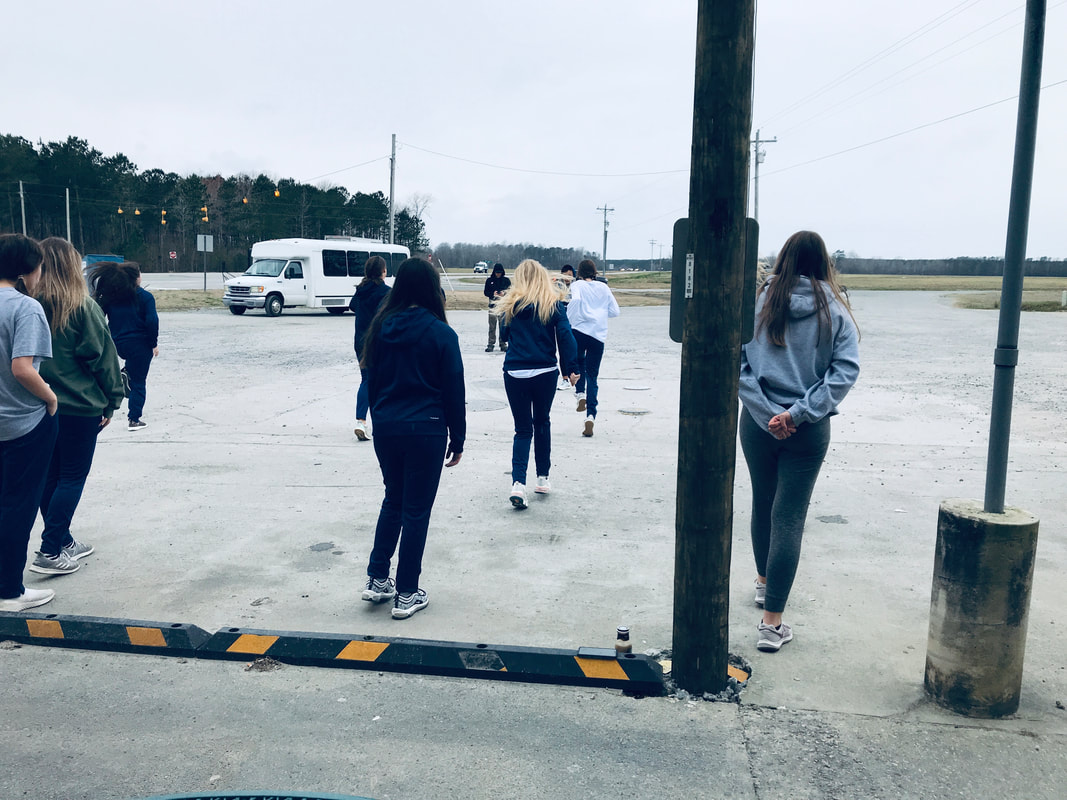
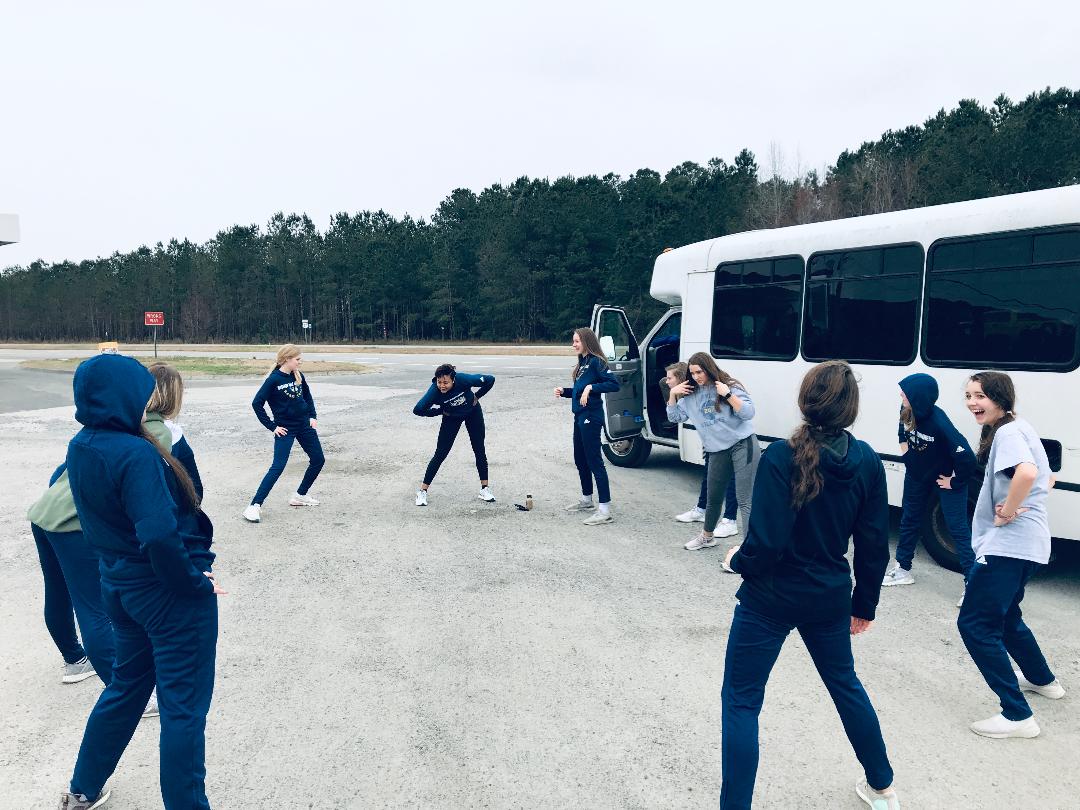
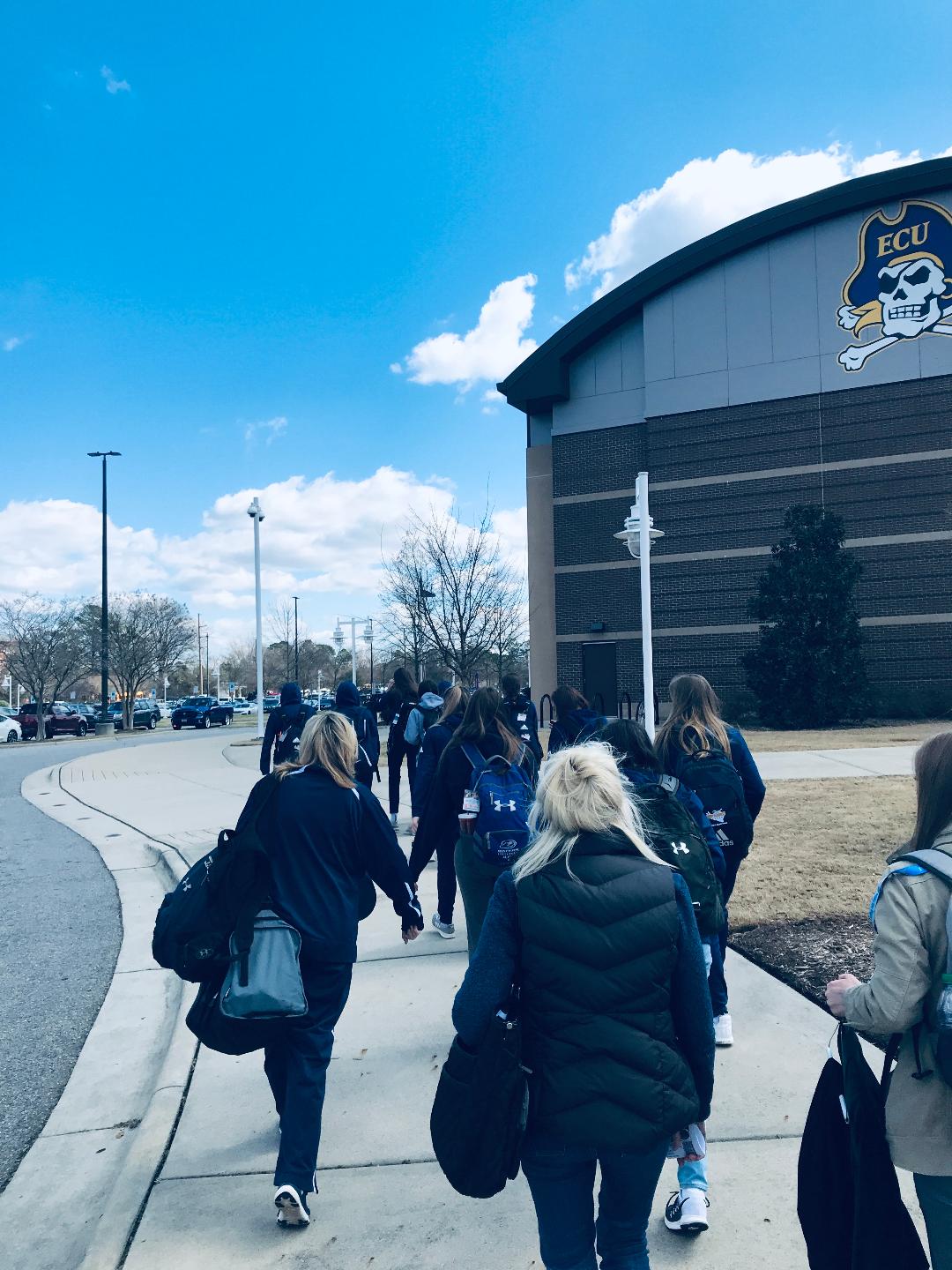
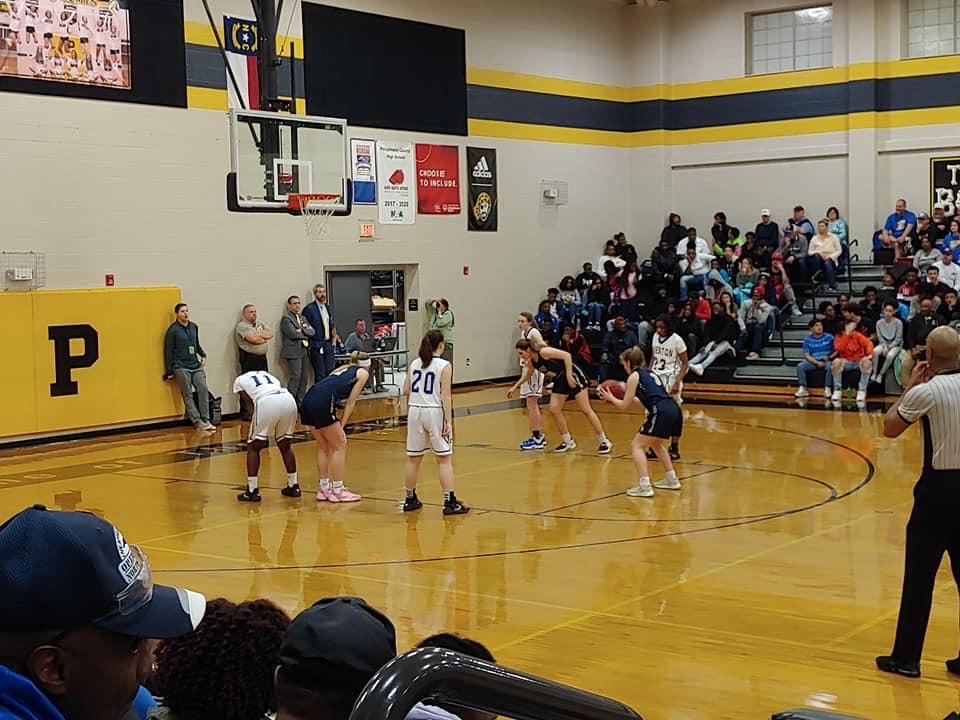
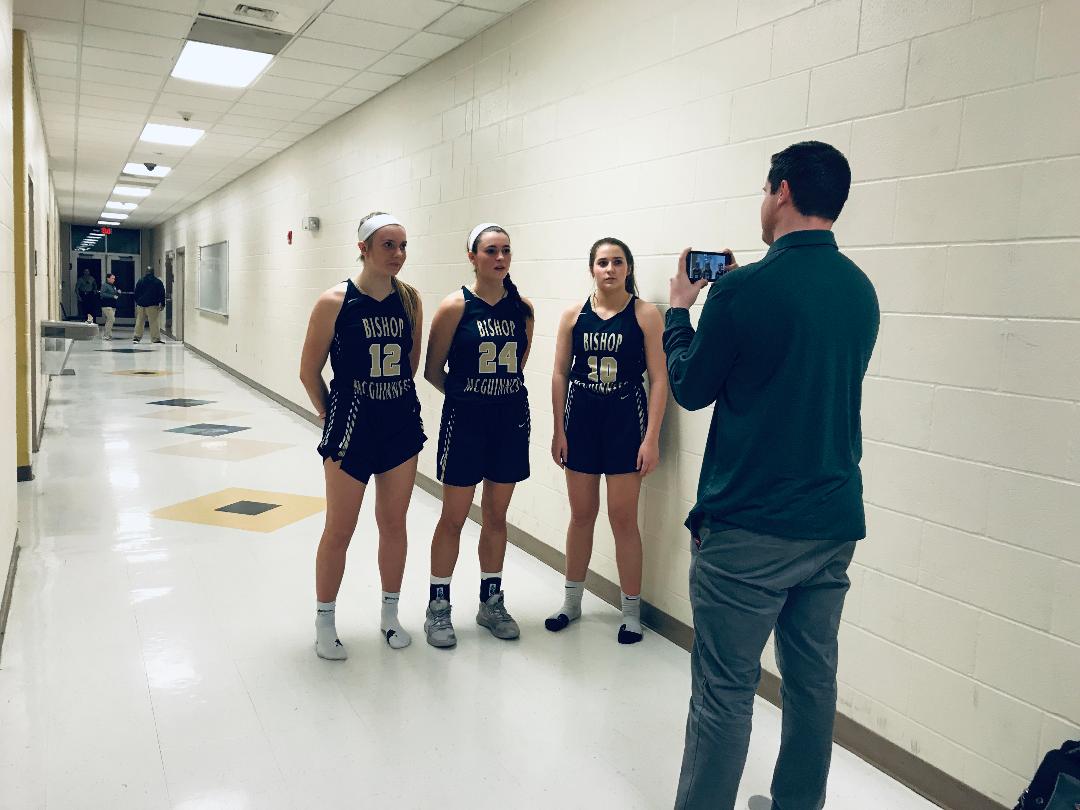
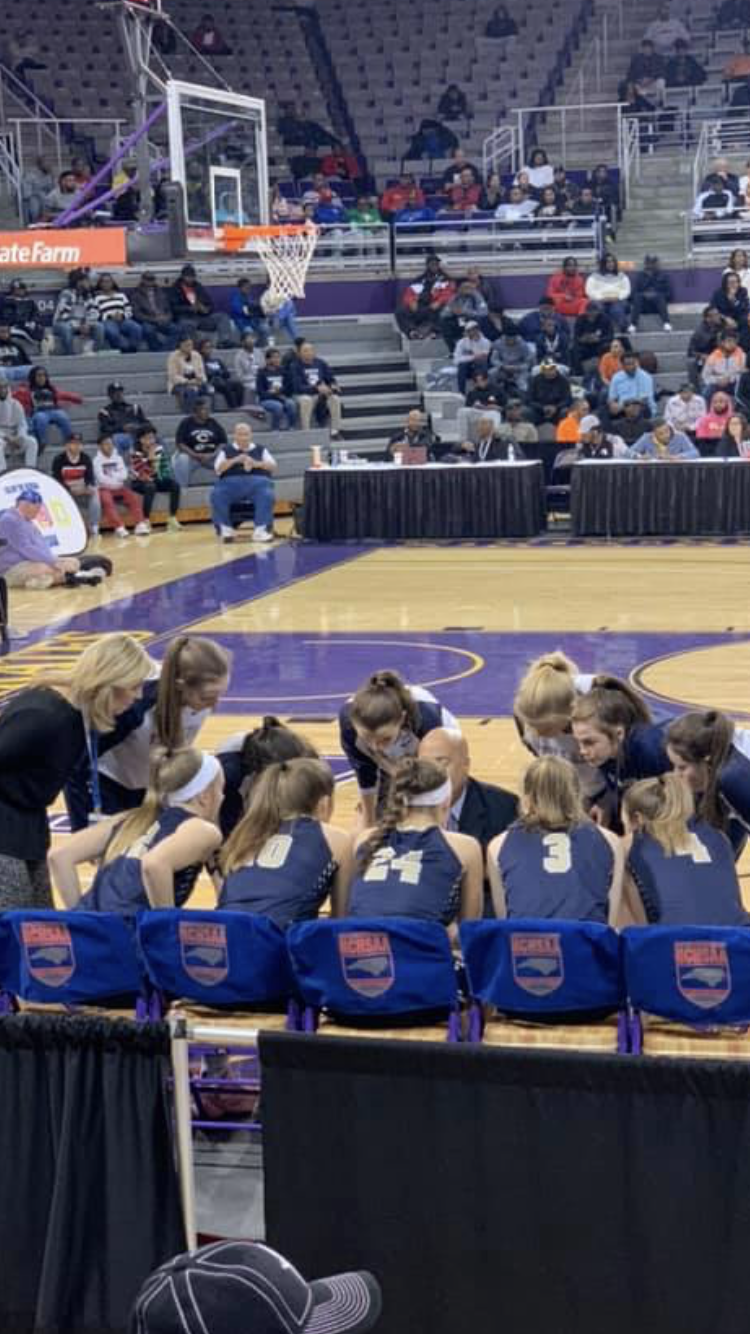
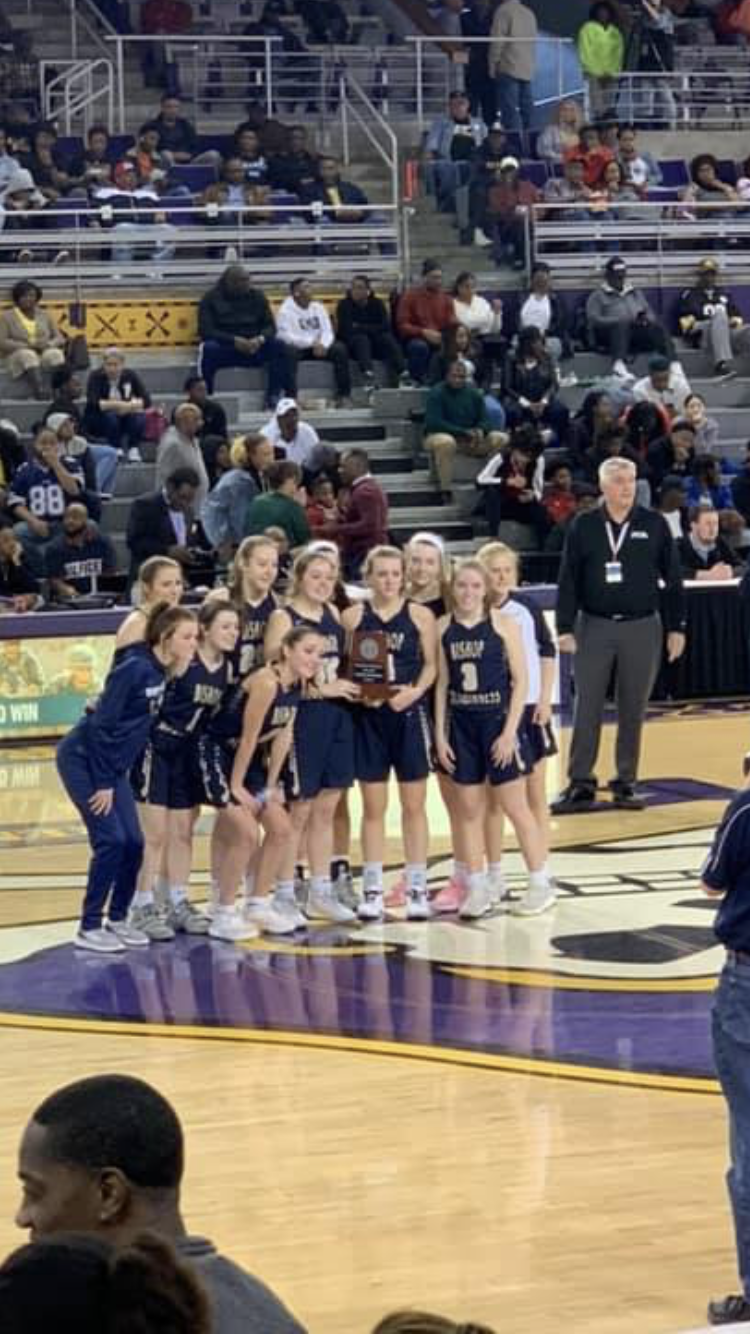

Keeping The Continuity Is The Key; Win, Lose or Draw, To Being Consistently Successful...
And If You Do That, You May Be Able To Follow Nike's Slogan And Just ... (CLICK HERE)
And If You Do That, You May Be Able To Follow Nike's Slogan And Just ... (CLICK HERE)
... And Regardless... If You've Been A Part Of It... You Understand The Whole Is Stronger Than The Parts...

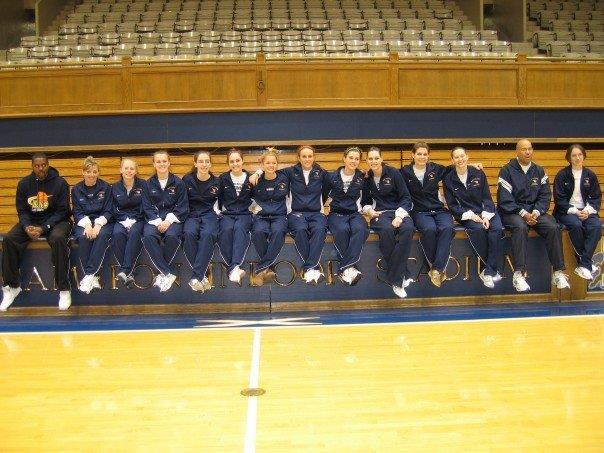
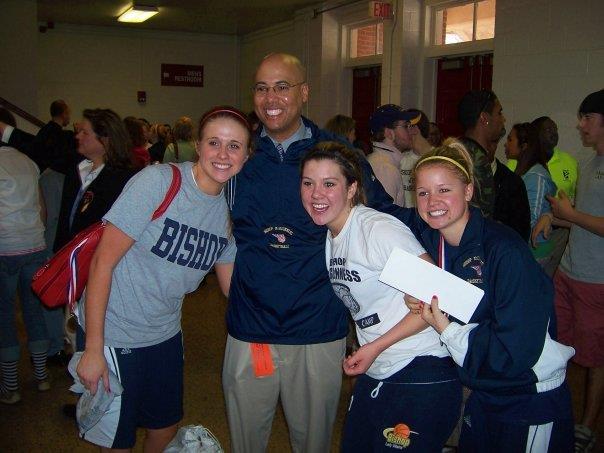
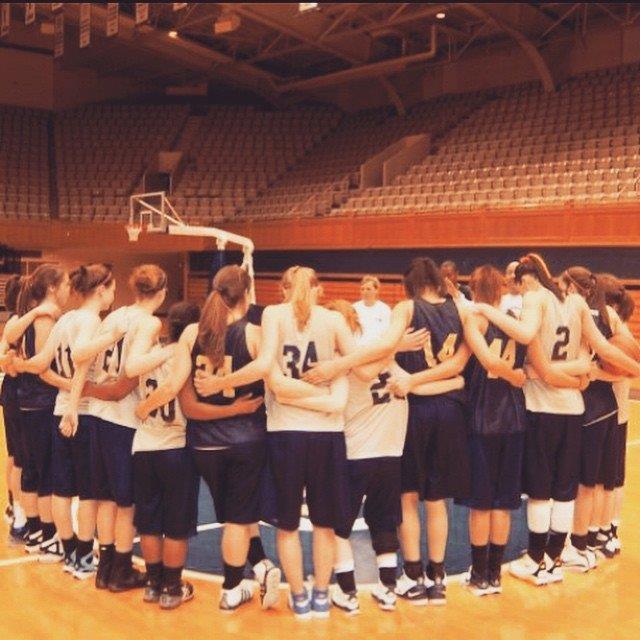
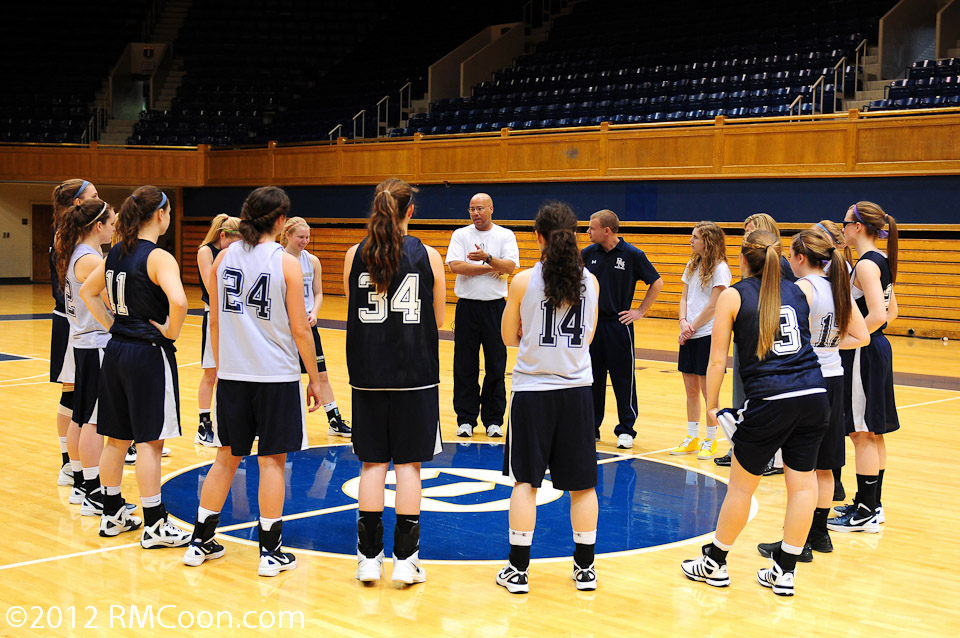

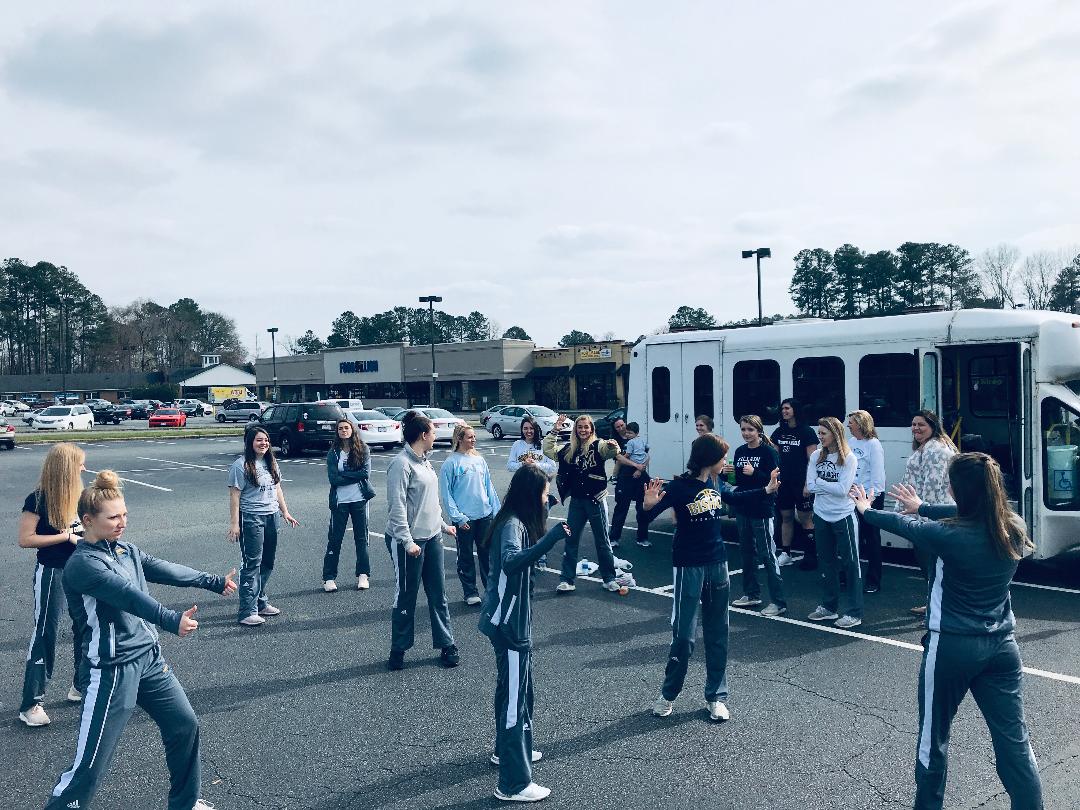
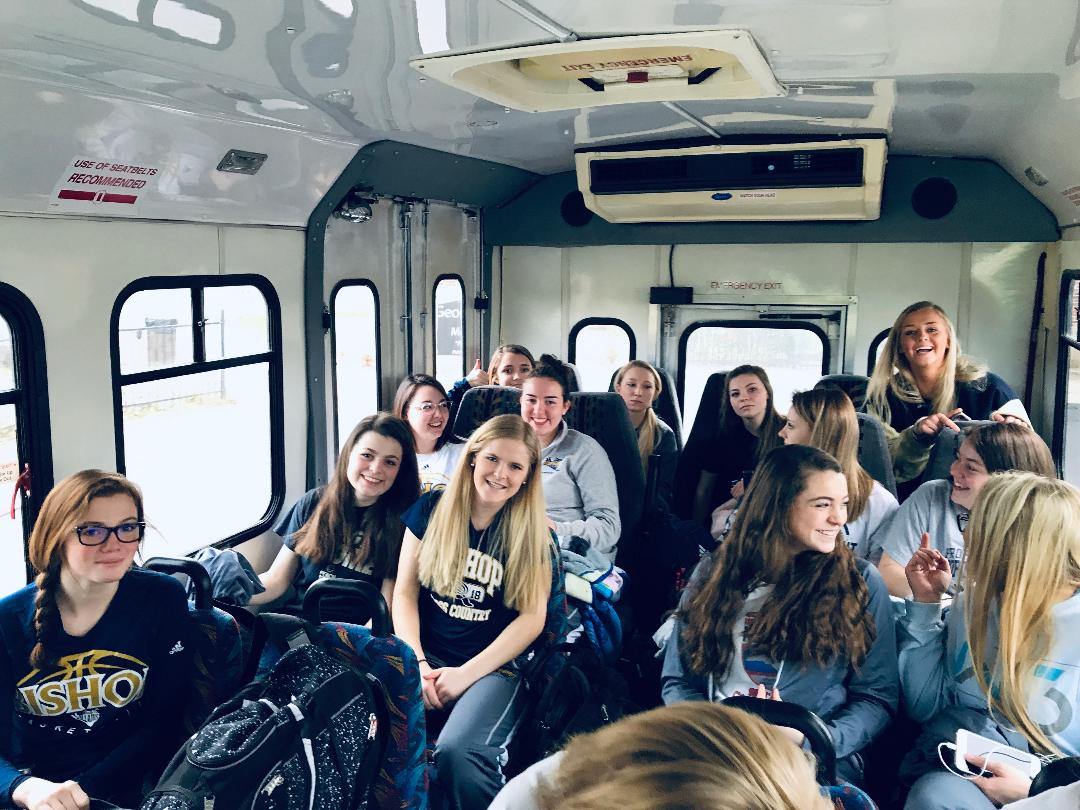
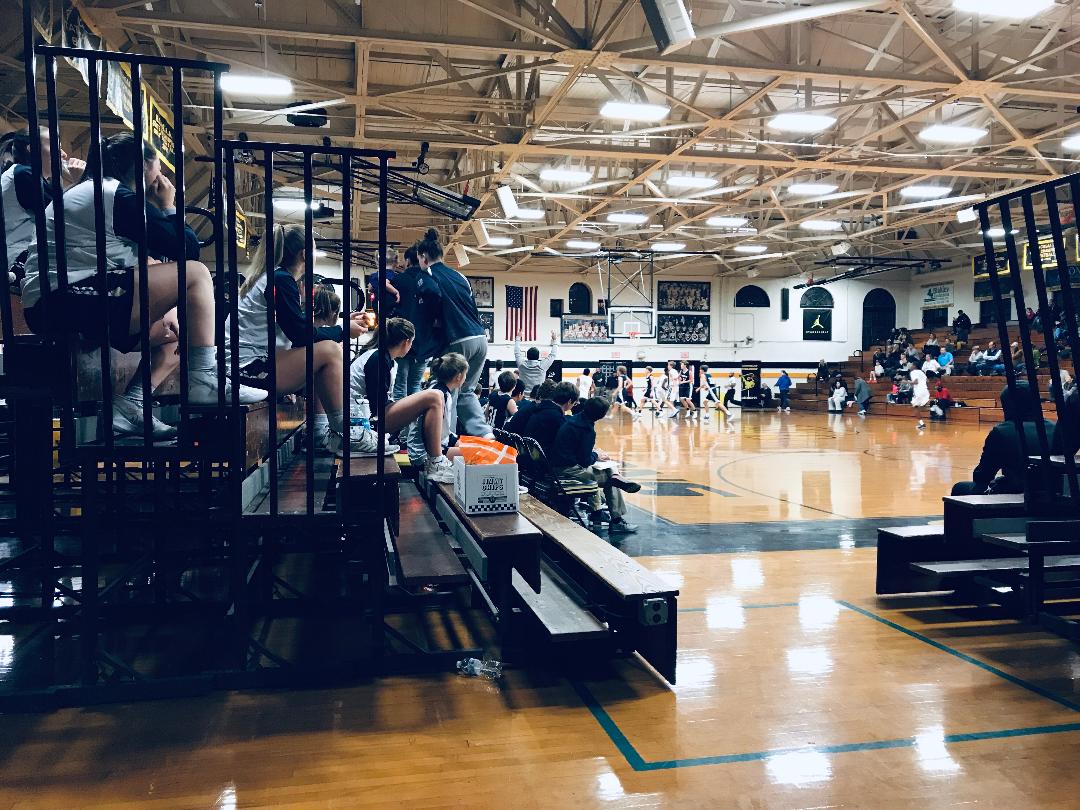
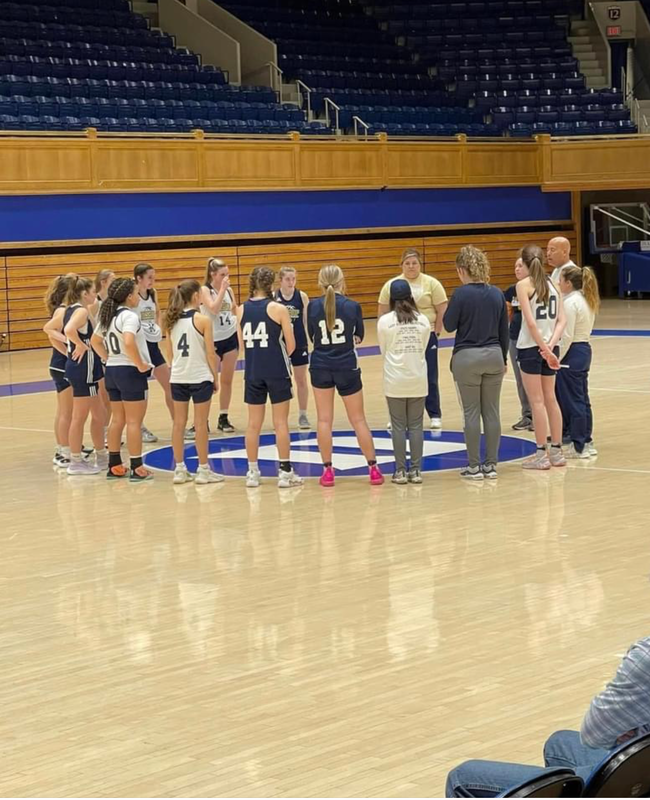
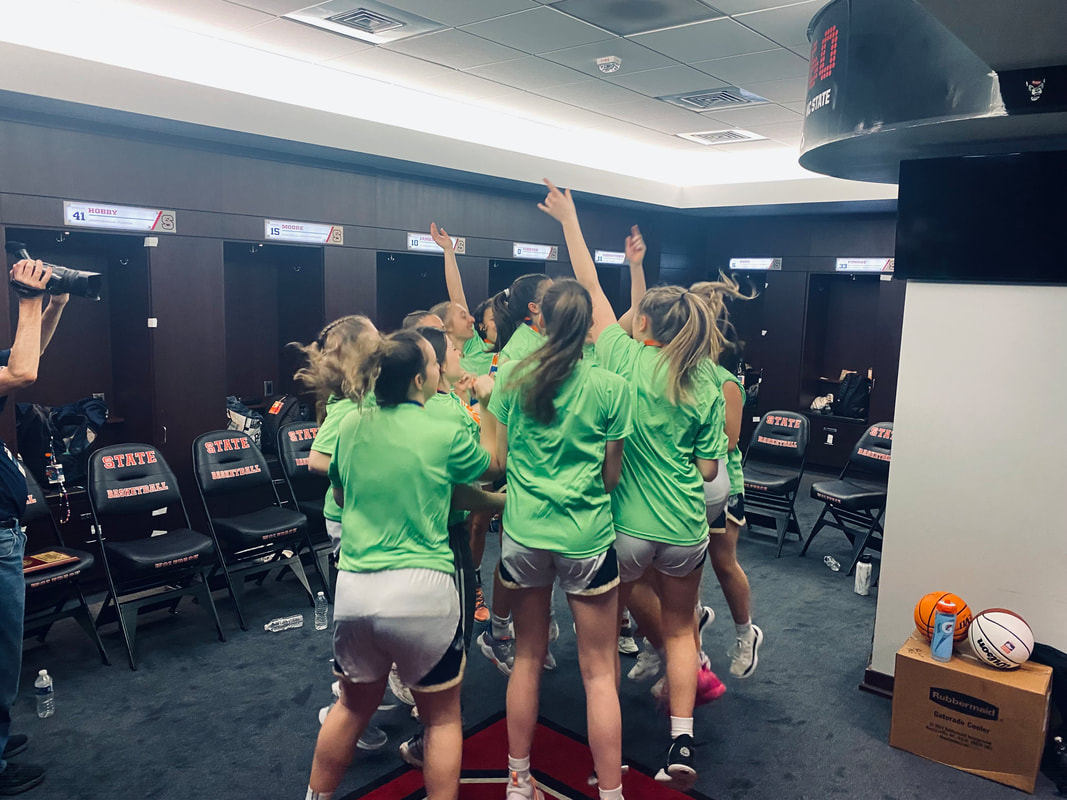
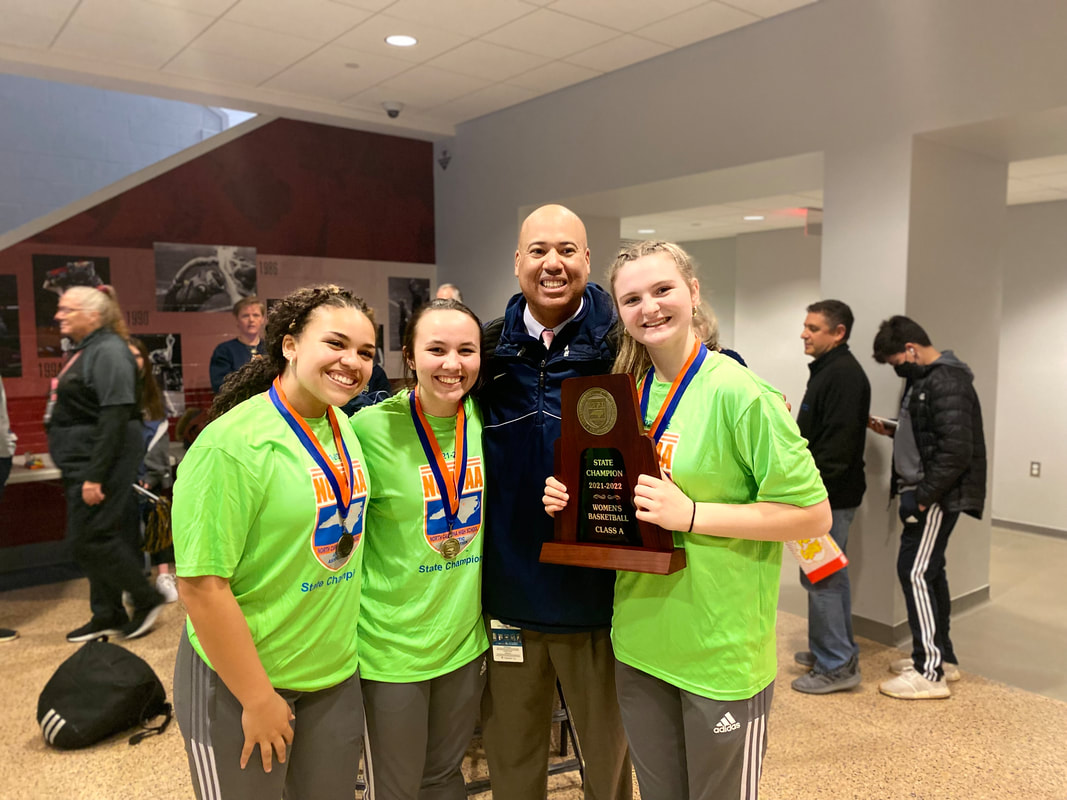
And Knowing That You Can Always Get Better No Matter The Amount Of Success You've Had Allows You To Grow To New Heights...

"Play Hard, Play Smart & Concentrate"
"Circle Up"
"Do It, Do It"
"Continued improvement is always better than delayed perfection."
"You leave an impression, either way, on everyone you come in contact with."
"In order to improve the future you have to disturb the present."
"You can become a star by buying into a role." – Doc Rivers
"Mental Toughness is doing the right thing for the team when it's not the best thing for you."

"Villains Winning Without Hero" by Mason Linker, Winston-Salem Journal - March 9, 2012
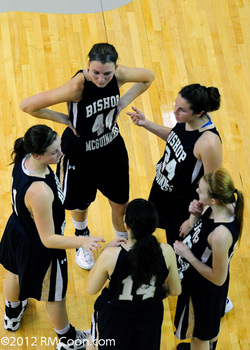
McGuinness Girls, with no true standout, have relied on teamwork.
During the Bishop McGuinness girls' run to a record-tying six straight NCHSAA basketball championships, a common denominator was hard to miss.
In each of those seasons, the Villains had a clear-cut, future Division I player to turn to.
And although that had much to do with the teams' successes, it also disguised some of the subtleties that have made McGuinness much more than a one-girl band.
This season, with no shining star on the roster, has been different.
"This team illustrates more what our program is about," said coach Brian Robinson, who has the Villains back in the NCHSAA 1-A final for the seventh straight season. "It illustrates that we can still win without a star player."
McGuinness (26-5) will try to set the record for consecutive NCHSAA basketball titles when it plays Chocowinity Southside (29-3) at noon Saturday at the Smith Center in Chapel Hill.
It's not as if the Villains don't have good players, and they certainly have experience. But they have no Katheryn Lyons, no Erinn Thompson, no Whitney Knight, and no Megan Buckland - the guard who fueled the past three title runs.
Instead the team is a unit with many moving parts, each reliant on the other during a season in which tight choreography was the difference between winning and losing.
Those traits, Robinson said, have always been there. They just have been lost at times in the glare of a star.
When Robinson was hired in 2002, three years before the Villains left the N.C. Independent Schools Athletics Association for the NCHSAA, he put in a set of rules that he said "were kind of laughed at."
Among the rules: Players had to arrive 15 minutes before the start of every team function; no high socks; no "dancing or prancing" around on the court before games and wasting energy. In order to talk with Robinson about a concern, a player or parent had to arrange a meeting. Those conversations did not occur casually at practice.
"It took about a year," Robinson said, adding that the girls started to figure out the rules after they had to run too much at practice to pay for their missteps. "They started to figure out it's about not wasting time at practice.
"It allowed me to just coach basketball and not deal with distractions.
"In other words, your time can't be more important than team time. Your issues can't be bigger than team issues."
Robinson said he remembers the crowd "howling" when he benched Lyons, his star point guard, for the first five minutes of the team's first Western Regional semifinal, against Hendersonville in 2006.
Lyons, the rock of the first two championship teams, arrived at the pregame shoot-around five minutes late.
Robinson said he would rather stick by the rules than show favoritism and risk future problems.
"Honestly, that's something that could have cost us a game,' Lyons, who just finished her second season as the girls coach at High Point Westchester, said this week. "You never know... Getting down early could have been horrendous. I was never mad at him. I was mad at myself. I never expected him to make an exception for me. He knew it was a misunderstanding because I had never been late for anything."
Lyons now uses Robinson's approach for her program.
"When you make your expectations and demands very clear, it's almost a contract between the players and parents and coaches and the team itself," Lyons said. "Everything is laid out for you. There is no gray area."
Robinson said he hasn't had a meeting with a parent in years. The rules are the same for everyone.
"Even though we don't have a star player, we play very well together," said senior Sammi Goldsmith, the leading scorer. "Even when we did have a star player, it didn't override anyone else's role on the team. Everyone's role was equally important.
"I think it's been a real big factor this season. Everybody knows that no matter what you do, you are important. Everyone is important to getting here. Everybody has stepped up and has been able to get done what they need to get done.
"As long as we work on everything as a team and get the win, that's what really counts."
During the Bishop McGuinness girls' run to a record-tying six straight NCHSAA basketball championships, a common denominator was hard to miss.
In each of those seasons, the Villains had a clear-cut, future Division I player to turn to.
And although that had much to do with the teams' successes, it also disguised some of the subtleties that have made McGuinness much more than a one-girl band.
This season, with no shining star on the roster, has been different.
"This team illustrates more what our program is about," said coach Brian Robinson, who has the Villains back in the NCHSAA 1-A final for the seventh straight season. "It illustrates that we can still win without a star player."
McGuinness (26-5) will try to set the record for consecutive NCHSAA basketball titles when it plays Chocowinity Southside (29-3) at noon Saturday at the Smith Center in Chapel Hill.
It's not as if the Villains don't have good players, and they certainly have experience. But they have no Katheryn Lyons, no Erinn Thompson, no Whitney Knight, and no Megan Buckland - the guard who fueled the past three title runs.
Instead the team is a unit with many moving parts, each reliant on the other during a season in which tight choreography was the difference between winning and losing.
Those traits, Robinson said, have always been there. They just have been lost at times in the glare of a star.
When Robinson was hired in 2002, three years before the Villains left the N.C. Independent Schools Athletics Association for the NCHSAA, he put in a set of rules that he said "were kind of laughed at."
Among the rules: Players had to arrive 15 minutes before the start of every team function; no high socks; no "dancing or prancing" around on the court before games and wasting energy. In order to talk with Robinson about a concern, a player or parent had to arrange a meeting. Those conversations did not occur casually at practice.
"It took about a year," Robinson said, adding that the girls started to figure out the rules after they had to run too much at practice to pay for their missteps. "They started to figure out it's about not wasting time at practice.
"It allowed me to just coach basketball and not deal with distractions.
"In other words, your time can't be more important than team time. Your issues can't be bigger than team issues."
Robinson said he remembers the crowd "howling" when he benched Lyons, his star point guard, for the first five minutes of the team's first Western Regional semifinal, against Hendersonville in 2006.
Lyons, the rock of the first two championship teams, arrived at the pregame shoot-around five minutes late.
Robinson said he would rather stick by the rules than show favoritism and risk future problems.
"Honestly, that's something that could have cost us a game,' Lyons, who just finished her second season as the girls coach at High Point Westchester, said this week. "You never know... Getting down early could have been horrendous. I was never mad at him. I was mad at myself. I never expected him to make an exception for me. He knew it was a misunderstanding because I had never been late for anything."
Lyons now uses Robinson's approach for her program.
"When you make your expectations and demands very clear, it's almost a contract between the players and parents and coaches and the team itself," Lyons said. "Everything is laid out for you. There is no gray area."
Robinson said he hasn't had a meeting with a parent in years. The rules are the same for everyone.
"Even though we don't have a star player, we play very well together," said senior Sammi Goldsmith, the leading scorer. "Even when we did have a star player, it didn't override anyone else's role on the team. Everyone's role was equally important.
"I think it's been a real big factor this season. Everybody knows that no matter what you do, you are important. Everyone is important to getting here. Everybody has stepped up and has been able to get done what they need to get done.
"As long as we work on everything as a team and get the win, that's what really counts."

You Can Still Achieve Great Individual Honors If You Put Your Team First.
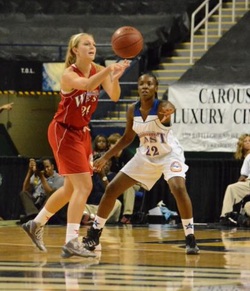
Cameron Nieters (Class of 2014), a wing player for her first three seasons in our program, had to play point guard due to an ACL injury to our starting PG Olivia DeFrancesco early in the season. Playing PG lowered Cameron's scoring average and placed her in an uncomfortable and unfamiliar position on a team trying to win a state title. She not only helped the team win another state championship, but the team won their first conference regular season championship in five seasons and a sixth conference tournament title. Cameron has now gone on to play basketball at Division I Harvard University and was the second player from our program to play in the East / West All-Star Game and North / South All-Star Game.
(Photo by www.highschoolot.com Zach Mayo)
Story by Zach Mayo
The West women's basketball all-stars made sure their high school careers finished with a big win Monday night at Greensboro Coliseum, dominating in almost every statistical category to take a win from the East in the East-West All-Star game.
The West, led by 16 points from MVP Shaylen Burnette (Southern Alamance), shot just shy of 50% from the field while outrebounding the East 53-45 and recording 17 assists to the East's nine.
The all-stars of the western half of the state also overcame a 24-point performance from UNC-Chapel Hill recruit Jamie Cherry of West Craven, who led all scorers in the game.
"We didn't find a common goal," said Jamella Smith of Chapel Hill, who finished with four points. "We didn't play together like we should have. We could have beat them if we played together, but there was a lot of 1-on-1."
Both sides played a back-and-forth first half with seven lead changes and two ties before the West pulled away at the end of the second quarter to take a 40-32 lead into halftime. The West outscored the East 19-11 in the third quarter, taking a commanding double-digit lead and holding it to a 82-68 finish.
The West had five players in double figures, with Cameron Nieters (Bishop McGuiness) and Saadia Timpton (Myers Park) each scoring 13 while Malaya Johnson (North Surry) had 12 and Sheridan Pressley (Pisgah) had ten.
"We had a good nature of competitiveness tonight," said West head coach Scott Waugh of Wilkes Central. "These kids are used to seeing major competition, and there isn't any ‘back down’ in them."
Waugh pointed to starting guard Nieters as a focal point of his makeshift offense that came together and developed chemistry after just a handful of practices leading up to the game.
"She didn't average more than eight points at Bishop, but she’s a player who’s got more than that going on," he said. "Tonight she was impressive with her court sense, her savvy, her movement off the ball and her ability to see and find people."
Following Cherry's 24 points, Alecia Hardy of E.E. Smith scored 13 for the East. She was the only other East player in double figures. Alexus Hill of Northern Nash finished with eight points and Tiffany McCarter of Southeast Raleigh had six. No East player pulled down more than five rebounds.
Jalyn Brown of Riverside-Martin scored five points on 2-of-6 shooting. Chapel Hill's Catherine Romaine scored four points.
"One thing that made Chapel Hill so special was that we had such good chemistry because we played together a lot," Romaine said. "It was hard coming here and having four practices to get to know how we all play and get used to each other, but it was a struggle for them too."
Romaine and Smith, who were teammates at Chapel Hill while playing to a 3-A state championship, each scored more than 1,000 points in their high school careers. Both players said they relished the opportunity to play together one more time before going their separate ways.
"It was exciting," Smith said. "We wanted to win because we haven’t lost a game in a year, but I was happy that we got to play together and come up here together. It was like old times, getting excited together. I wish we would have won so we could go out strong."
The East team was coached by Michelle Wood of East Chapel Hill and Toni Vick-Dupree of East Wake.
Read more at http://www.highschoolot.com/east-west-all-star-women-set-to-battle-in-greensboro/13829052/#g5YDMkUvzf29SIap.99
(Photo by www.highschoolot.com Zach Mayo)
Story by Zach Mayo
The West women's basketball all-stars made sure their high school careers finished with a big win Monday night at Greensboro Coliseum, dominating in almost every statistical category to take a win from the East in the East-West All-Star game.
The West, led by 16 points from MVP Shaylen Burnette (Southern Alamance), shot just shy of 50% from the field while outrebounding the East 53-45 and recording 17 assists to the East's nine.
The all-stars of the western half of the state also overcame a 24-point performance from UNC-Chapel Hill recruit Jamie Cherry of West Craven, who led all scorers in the game.
"We didn't find a common goal," said Jamella Smith of Chapel Hill, who finished with four points. "We didn't play together like we should have. We could have beat them if we played together, but there was a lot of 1-on-1."
Both sides played a back-and-forth first half with seven lead changes and two ties before the West pulled away at the end of the second quarter to take a 40-32 lead into halftime. The West outscored the East 19-11 in the third quarter, taking a commanding double-digit lead and holding it to a 82-68 finish.
The West had five players in double figures, with Cameron Nieters (Bishop McGuiness) and Saadia Timpton (Myers Park) each scoring 13 while Malaya Johnson (North Surry) had 12 and Sheridan Pressley (Pisgah) had ten.
"We had a good nature of competitiveness tonight," said West head coach Scott Waugh of Wilkes Central. "These kids are used to seeing major competition, and there isn't any ‘back down’ in them."
Waugh pointed to starting guard Nieters as a focal point of his makeshift offense that came together and developed chemistry after just a handful of practices leading up to the game.
"She didn't average more than eight points at Bishop, but she’s a player who’s got more than that going on," he said. "Tonight she was impressive with her court sense, her savvy, her movement off the ball and her ability to see and find people."
Following Cherry's 24 points, Alecia Hardy of E.E. Smith scored 13 for the East. She was the only other East player in double figures. Alexus Hill of Northern Nash finished with eight points and Tiffany McCarter of Southeast Raleigh had six. No East player pulled down more than five rebounds.
Jalyn Brown of Riverside-Martin scored five points on 2-of-6 shooting. Chapel Hill's Catherine Romaine scored four points.
"One thing that made Chapel Hill so special was that we had such good chemistry because we played together a lot," Romaine said. "It was hard coming here and having four practices to get to know how we all play and get used to each other, but it was a struggle for them too."
Romaine and Smith, who were teammates at Chapel Hill while playing to a 3-A state championship, each scored more than 1,000 points in their high school careers. Both players said they relished the opportunity to play together one more time before going their separate ways.
"It was exciting," Smith said. "We wanted to win because we haven’t lost a game in a year, but I was happy that we got to play together and come up here together. It was like old times, getting excited together. I wish we would have won so we could go out strong."
The East team was coached by Michelle Wood of East Chapel Hill and Toni Vick-Dupree of East Wake.
Read more at http://www.highschoolot.com/east-west-all-star-women-set-to-battle-in-greensboro/13829052/#g5YDMkUvzf29SIap.99
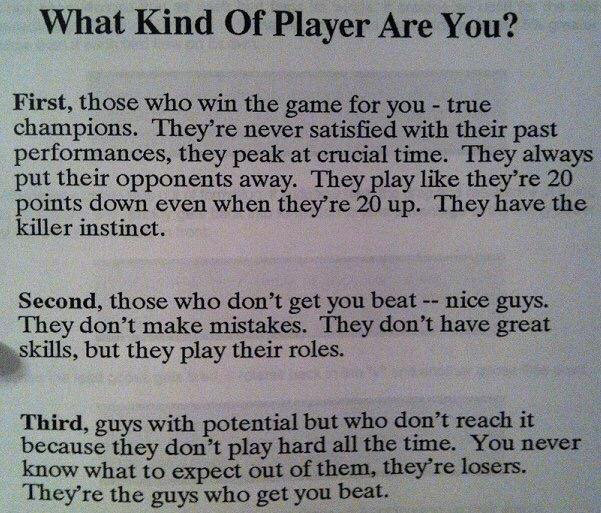
Team Thoughts To Think About...
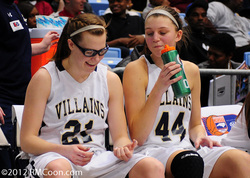
1. You can't play 1-on-1 for 32 minutes every game. Street ball will beat 90% of the teams you play, the other 10% will take you to the cleaners.
2. Play defense; those "other" 10% of the teams beat you because of defense and shot selection.
3. Learn to play team ball. Shot selection is important. Know your role and accept it.
4. Show up to play for 32 minutes. Start to finish.
5. Do those things and you MIGHT have a shot at another championship.
2. Play defense; those "other" 10% of the teams beat you because of defense and shot selection.
3. Learn to play team ball. Shot selection is important. Know your role and accept it.
4. Show up to play for 32 minutes. Start to finish.
5. Do those things and you MIGHT have a shot at another championship.
Rolling With The Punches... But Take It As A Compliment When The Rules Are Changed From Your Success...
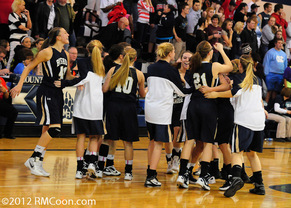
(Posted January 20, 2013)
There were two great basketball players who were very good at what they did on the court; because they were good, legislators and league officials decided to change the rules to try to slow them down. What the rule changes instead did was make these two make players not just better, but legendary.
It forced these two players to improve their skills, work harder, and, in turn, made their overall performance better.
Many of you have heard of the Mikan Drill. This drill was named after George Mikan. George Mikan is known as the first N.B.A. "big-man". He stood at 6-10 and had the coordination, footwork and skill to dominate the league during playing days. While in college, Mikan developed a deadly hook-shot with either hand. When he went to the N.B.A., he controlled the area around the basket to such a degree that the league widened the free throw lane and initiated the 3-second rule to give other players a chance. The 3-second rule states that an offensive player cannot be inside the free-throw lane for more that 3-seconds. This rule change resulted in Mikan going to his hook-shot move more often, making him a better all-around player, and again, made him legendary. Coaches at all levels have their players work on the "Mikan Drill". If it wasn't for the rule change, George Mikan would probably have been just another player in the N.B.A.
The other player was Lew Alcindor, also known as Kareem Abdul-Jabbar. When Alcindor played at UCLA, the NCAA officials felt he was too strong / dominant of a player. Alcindor could dunk the ball anytime he wanted to, and the NCAA felt he would be unstoppable. They changed the rules to forbid dunking in college games. This was called the "Alcindor Rule". When he graduated from college, the rule was rescinded, and players were allowed to dunk again; which made you wonder, "Were the rule-changers just out to get him"? As a result, Alcindor had to work on a new shot, known as the "Sky Hook". The Sky Hook became the most unstoppable shot ever in the game of basketball and he used it to become the N.B.A.'s all-time leading scorer with 38,387 points (finishing more than 6,000 points ahead of the most famous basketball player ever, Michael Jordan).
The point: These two great basketball players caused the rule-makers to cave-in to the complaints of others. They thought that changing the rules would prevent these two players from not only being great, but would frustrate them and cause the two to become ordinary and average. What did the players do to cause the change? Nothing. They just were good at what they were doing and played the game they loved within the rules provided. The irony was that the complainers, and eventually the rule-makers, actually helped to make these two players more well-rounded. Mikan and Alcindor (Jabbar) were now forced to learn new skills and work harder by the rules being changed, that led to a better performance which not only made them two of the greatest players ever... it made them legendary.
The moral of this story: The only person that can stop you from being great is yourself... roll with the punches...never stop working...never stop improving. Complainers have the same choice you do: to work or to complain. Working hard, smart, consistently and correctly gets you better... complaining wastes that same time that could be used to get better. Just know if you have critics because you have been good at something, then that's part of the process towards being not just great.... but, possibly, legendary. Critics are, unfortunately, a necessary part of your growth and actually help you. They actually hurt themselves, though their initial objective was to do the very opposite... just roll with the punches.
(Posted on 12/21/12)
Another famous rule change... in 1978, the National Football League tried to slow the Pittsburgh Steelers' "Steel Curtain" Defense by implementing the "Mel Blount Rule". Blount was a cornerback for the Steelers who basically dominated any wide receiver that he defended. The Steelers won Super Bowls in 1974 and 1975 behind what is highly regarded as the best defense ever and the NFL wanted to give offenses, in particular, wide receivers, a chance. So in 1978, the rule makers implemented a policy stating that cornerbacks couldn't have contact with wide receivers for the first five yards when a play started. They called the rule the "Mel Blount Rule".
The rules were looked at from some as changes that would hurt the Steelers. What the rule makers forgot was the Steelers played offense as well. In 1974 and 1975, the Steelers were a running football team. However, with the new rules in 1978, the Steelers adjusted and become a passing team. Steelers' wide receivers Lynn Swann and John Stallworth were now able to break free early on and Quarterback Terry Bradshaw had a field day, leading the Steelers to their third Super Bowl win during the 1978 Season. Before the rules could be looked at again, the Steelers won a fourth Super Bowl in 1979.
Again, the irony, a rule meant to slow the Steelers' defense down ended up making the Steelers' offense, and their overall team, better. The rule changes caused Head Coach Chuck Noll, who years later said of the teams who supported the changes, to make this statement at the time in 1978:
“ They ganged up on us the way they legislated the rules. People were trying to win a championship through legislation. I don't think you do that. ... But whatever the rules are, you have to adjust to them and play with them. ... When they changed the rules Terry Bradshaw took advantage and his passing game blossomed. And all that happened to Mel Blount is that he got more interceptions.”
In the end, though, the Steelers became one of the quickest teams to adjust to the new rules; the team's offense benefited more from the rule changes than the defense was hampered by them. The rule changes catalyzed the Steelers' transition from a power running game to more of an air attack.
Mel Blount quietly put a chip on his shoulder as did the Steelers' defense. The defense gave up the fewest points in the league that year, the team finished with a 14-2 regular season, and culminated the year with their third Super Bowl Championship in five seasons.
There were two great basketball players who were very good at what they did on the court; because they were good, legislators and league officials decided to change the rules to try to slow them down. What the rule changes instead did was make these two make players not just better, but legendary.
It forced these two players to improve their skills, work harder, and, in turn, made their overall performance better.
Many of you have heard of the Mikan Drill. This drill was named after George Mikan. George Mikan is known as the first N.B.A. "big-man". He stood at 6-10 and had the coordination, footwork and skill to dominate the league during playing days. While in college, Mikan developed a deadly hook-shot with either hand. When he went to the N.B.A., he controlled the area around the basket to such a degree that the league widened the free throw lane and initiated the 3-second rule to give other players a chance. The 3-second rule states that an offensive player cannot be inside the free-throw lane for more that 3-seconds. This rule change resulted in Mikan going to his hook-shot move more often, making him a better all-around player, and again, made him legendary. Coaches at all levels have their players work on the "Mikan Drill". If it wasn't for the rule change, George Mikan would probably have been just another player in the N.B.A.
The other player was Lew Alcindor, also known as Kareem Abdul-Jabbar. When Alcindor played at UCLA, the NCAA officials felt he was too strong / dominant of a player. Alcindor could dunk the ball anytime he wanted to, and the NCAA felt he would be unstoppable. They changed the rules to forbid dunking in college games. This was called the "Alcindor Rule". When he graduated from college, the rule was rescinded, and players were allowed to dunk again; which made you wonder, "Were the rule-changers just out to get him"? As a result, Alcindor had to work on a new shot, known as the "Sky Hook". The Sky Hook became the most unstoppable shot ever in the game of basketball and he used it to become the N.B.A.'s all-time leading scorer with 38,387 points (finishing more than 6,000 points ahead of the most famous basketball player ever, Michael Jordan).
The point: These two great basketball players caused the rule-makers to cave-in to the complaints of others. They thought that changing the rules would prevent these two players from not only being great, but would frustrate them and cause the two to become ordinary and average. What did the players do to cause the change? Nothing. They just were good at what they were doing and played the game they loved within the rules provided. The irony was that the complainers, and eventually the rule-makers, actually helped to make these two players more well-rounded. Mikan and Alcindor (Jabbar) were now forced to learn new skills and work harder by the rules being changed, that led to a better performance which not only made them two of the greatest players ever... it made them legendary.
The moral of this story: The only person that can stop you from being great is yourself... roll with the punches...never stop working...never stop improving. Complainers have the same choice you do: to work or to complain. Working hard, smart, consistently and correctly gets you better... complaining wastes that same time that could be used to get better. Just know if you have critics because you have been good at something, then that's part of the process towards being not just great.... but, possibly, legendary. Critics are, unfortunately, a necessary part of your growth and actually help you. They actually hurt themselves, though their initial objective was to do the very opposite... just roll with the punches.
(Posted on 12/21/12)
Another famous rule change... in 1978, the National Football League tried to slow the Pittsburgh Steelers' "Steel Curtain" Defense by implementing the "Mel Blount Rule". Blount was a cornerback for the Steelers who basically dominated any wide receiver that he defended. The Steelers won Super Bowls in 1974 and 1975 behind what is highly regarded as the best defense ever and the NFL wanted to give offenses, in particular, wide receivers, a chance. So in 1978, the rule makers implemented a policy stating that cornerbacks couldn't have contact with wide receivers for the first five yards when a play started. They called the rule the "Mel Blount Rule".
The rules were looked at from some as changes that would hurt the Steelers. What the rule makers forgot was the Steelers played offense as well. In 1974 and 1975, the Steelers were a running football team. However, with the new rules in 1978, the Steelers adjusted and become a passing team. Steelers' wide receivers Lynn Swann and John Stallworth were now able to break free early on and Quarterback Terry Bradshaw had a field day, leading the Steelers to their third Super Bowl win during the 1978 Season. Before the rules could be looked at again, the Steelers won a fourth Super Bowl in 1979.
Again, the irony, a rule meant to slow the Steelers' defense down ended up making the Steelers' offense, and their overall team, better. The rule changes caused Head Coach Chuck Noll, who years later said of the teams who supported the changes, to make this statement at the time in 1978:
“ They ganged up on us the way they legislated the rules. People were trying to win a championship through legislation. I don't think you do that. ... But whatever the rules are, you have to adjust to them and play with them. ... When they changed the rules Terry Bradshaw took advantage and his passing game blossomed. And all that happened to Mel Blount is that he got more interceptions.”
In the end, though, the Steelers became one of the quickest teams to adjust to the new rules; the team's offense benefited more from the rule changes than the defense was hampered by them. The rule changes catalyzed the Steelers' transition from a power running game to more of an air attack.
Mel Blount quietly put a chip on his shoulder as did the Steelers' defense. The defense gave up the fewest points in the league that year, the team finished with a 14-2 regular season, and culminated the year with their third Super Bowl Championship in five seasons.

"Playing For A Standard, Not For A Streak" - February 28, 2015
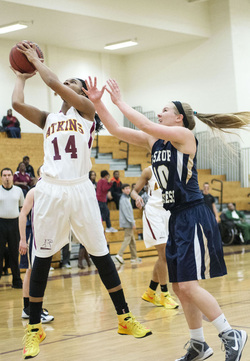
McGuinness Defeats Atkins 44-35 in First Round of Playoffs.
Posted: Sunday, March 1, 2015 12:05 am
Brant Wilkerson-New/Winston-Salem Journal
Facing the real possibility of having a nine-year streak of state championships come to an end, Coach Brian Robinson of the Bishop McGuinness girls basketball team asserted he wasn’t feeling any extra pressure.
From the look of it, neither was his team.
McGuinness jumped ahead early, built a lead as large as 20 and held off Atkins for a 44-35 victory on Saturday afternoon in the first round of the NCHSAA Class 1-A playoffs.
With the victory, McGuinness (16-9), seeded No. 22, will travel to No. 6 Hayesville (22-6) on Monday night to continue its pursuit of a 10th straight state championship.
Despite a two-week layoff between games, and a practice schedule ravaged by snow, Robinson was confident his team would put together its best performance of the season against an Atkins (17-5) team that was seeded No. 11 and had beaten the Villains twice during the regular season.
“I was at peace with everything all day long — honestly, I was; with the break, I was really at peace,” Robinson said. “I know the buildup has been there about the streak and what not, but I felt all season long (we had) a good team — we just haven’t been very consistent in the way we played, and today was the first time in a while we put 32 minutes together.”
Robinson saw the same peace in his team. Senior guard Alex Putman scored nine points in the first quarter and finished with 14; Tia Cappuccio added 12.
“They were ready to play. They’ve been hearing about the streak all season long, like all of our teams have, but I told them it’s going to end some day; we keep somehow dodging the law of averages,” Robinson said. “Right now this is their team, this is their opportunity — we’re not playing for a streak, we’re playing for a standard.
“The standard we set in the program is what we try to do every single day in practice, and if we play to that standard, it’ll give us a better-than 50 percent chance to win the game.
For the first time all season, McGuinness was able to stop Atkins’ potent offense with a 3-2 zone, with Villains packing the lane and rarely pursuing shooters beyond the 3-point line.
The Camels made just 2 of 16 3-point attempts, but more important, according to Robinson, was keeping the ball away from Armani Hampton at the top of the key.
“When the ball gets into her, she creates all the action for them,” Robinson said. “We felt like if we kept the ball from getting in the high post and made them play around us, that we’d have a good shot at least at beating them.”
Hampton, who averaged 24 points against McGuinness in the first two meetings, was limited to six on Saturday. Saryna Carpenter, who led the Camels’ third-quarter rally, finished with 16.
Despite the packed-in zone, the Camels still managed to grab 14 offensive rebounds, but couldn’t capitalize as they made just 15 of 64 field goal attempts.
In addition to the Camels’ shooting woes, Coach Louis Lowery said he didn’t like his team’s energy — something that had concerned him coming in, as they had practiced only twice since their last game on Feb. 13.
“They packed it in, and when that happens, you’ve got to make shots,” Lowery said. “Not only that, I didn’t see … it seemed that our kids looked sluggish. They were moving a lot quicker than we were.… I don’t want to say it’s because of lack of practices and all that stuff.
“I don’t like to make excuses, but on top of missing shots, the energy just wasn’t there.”
The Camels made a push in the second half, using a full-court trap to speed up the Villains and force 12 turnovers, but they could get no closer than 43-33 as they made just 3 of 11 field goals in the fourth quarter.
Even if Lowery wouldn’t blame the weather for the Camels’ performance, Robinson would.
“It’s unfortunate in a way that we beat a conference foe who I think is a state-championship contender — I really believe that team is a state-championship contender,” Robinson said. “Not to make excuses for them, but I think the weather played a factor in it, because they were not as sharp as they usually are against us.”
bwilkerson-new@wsjournal.com (336)727-7319
McGuinness;17;11;13;3;—;44 Atkins;8;4;16;7;—;35
McGuinness (16-9): Alex Putman 14, Tia Cappuccio 12, Nieters 6, Elliott 4, Johnston 4, Simmons 4
Atkins (17-5): Saryna Carpenter 16, Hampton 6, Rogers 5, Mercer 3, Davenport 2, Muhammad 2
Posted: Sunday, March 1, 2015 12:05 am
Brant Wilkerson-New/Winston-Salem Journal
Facing the real possibility of having a nine-year streak of state championships come to an end, Coach Brian Robinson of the Bishop McGuinness girls basketball team asserted he wasn’t feeling any extra pressure.
From the look of it, neither was his team.
McGuinness jumped ahead early, built a lead as large as 20 and held off Atkins for a 44-35 victory on Saturday afternoon in the first round of the NCHSAA Class 1-A playoffs.
With the victory, McGuinness (16-9), seeded No. 22, will travel to No. 6 Hayesville (22-6) on Monday night to continue its pursuit of a 10th straight state championship.
Despite a two-week layoff between games, and a practice schedule ravaged by snow, Robinson was confident his team would put together its best performance of the season against an Atkins (17-5) team that was seeded No. 11 and had beaten the Villains twice during the regular season.
“I was at peace with everything all day long — honestly, I was; with the break, I was really at peace,” Robinson said. “I know the buildup has been there about the streak and what not, but I felt all season long (we had) a good team — we just haven’t been very consistent in the way we played, and today was the first time in a while we put 32 minutes together.”
Robinson saw the same peace in his team. Senior guard Alex Putman scored nine points in the first quarter and finished with 14; Tia Cappuccio added 12.
“They were ready to play. They’ve been hearing about the streak all season long, like all of our teams have, but I told them it’s going to end some day; we keep somehow dodging the law of averages,” Robinson said. “Right now this is their team, this is their opportunity — we’re not playing for a streak, we’re playing for a standard.
“The standard we set in the program is what we try to do every single day in practice, and if we play to that standard, it’ll give us a better-than 50 percent chance to win the game.
For the first time all season, McGuinness was able to stop Atkins’ potent offense with a 3-2 zone, with Villains packing the lane and rarely pursuing shooters beyond the 3-point line.
The Camels made just 2 of 16 3-point attempts, but more important, according to Robinson, was keeping the ball away from Armani Hampton at the top of the key.
“When the ball gets into her, she creates all the action for them,” Robinson said. “We felt like if we kept the ball from getting in the high post and made them play around us, that we’d have a good shot at least at beating them.”
Hampton, who averaged 24 points against McGuinness in the first two meetings, was limited to six on Saturday. Saryna Carpenter, who led the Camels’ third-quarter rally, finished with 16.
Despite the packed-in zone, the Camels still managed to grab 14 offensive rebounds, but couldn’t capitalize as they made just 15 of 64 field goal attempts.
In addition to the Camels’ shooting woes, Coach Louis Lowery said he didn’t like his team’s energy — something that had concerned him coming in, as they had practiced only twice since their last game on Feb. 13.
“They packed it in, and when that happens, you’ve got to make shots,” Lowery said. “Not only that, I didn’t see … it seemed that our kids looked sluggish. They were moving a lot quicker than we were.… I don’t want to say it’s because of lack of practices and all that stuff.
“I don’t like to make excuses, but on top of missing shots, the energy just wasn’t there.”
The Camels made a push in the second half, using a full-court trap to speed up the Villains and force 12 turnovers, but they could get no closer than 43-33 as they made just 3 of 11 field goals in the fourth quarter.
Even if Lowery wouldn’t blame the weather for the Camels’ performance, Robinson would.
“It’s unfortunate in a way that we beat a conference foe who I think is a state-championship contender — I really believe that team is a state-championship contender,” Robinson said. “Not to make excuses for them, but I think the weather played a factor in it, because they were not as sharp as they usually are against us.”
bwilkerson-new@wsjournal.com (336)727-7319
McGuinness;17;11;13;3;—;44 Atkins;8;4;16;7;—;35
McGuinness (16-9): Alex Putman 14, Tia Cappuccio 12, Nieters 6, Elliott 4, Johnston 4, Simmons 4
Atkins (17-5): Saryna Carpenter 16, Hampton 6, Rogers 5, Mercer 3, Davenport 2, Muhammad 2